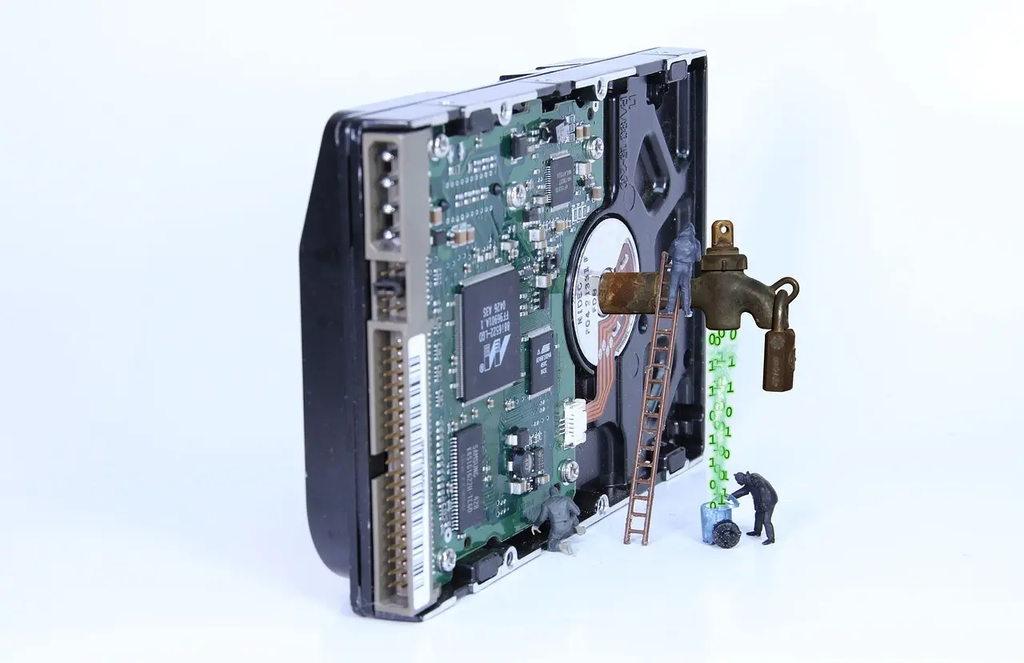
Data loss prevention for AI interfaces refers to strategies and technologies designed to safeguard sensitive information shared with or processed by artificial intelligence systems. It involves monitoring, detecting, and controlling data flows to prevent unauthorized access, leakage, or exposure of confidential data. These measures help ensure compliance with privacy regulations and protect organizational and user data from breaches or misuse when interacting with AI-powered platforms and applications.
Data loss prevention for AI interfaces
Data loss prevention for AI interfaces refers to strategies and technologies designed to safeguard sensitive information shared with or processed by artificial intelligence systems. It involves monitoring, detecting, and controlling data flows to prevent unauthorized access, leakage, or exposure of confidential data. These measures help ensure compliance with privacy regulations and protect organizational and user data from breaches or misuse when interacting with AI-powered platforms and applications.

💡 Key Takeaways
- Grasp the core concept of data loss prevention (DLP) for AI interfaces and what counts as sensitive information.
- Map AI data flows (training, inference, and outputs) to identify where leakage risk is highest.
- Learn DLP techniques and controls (classification, masking/redaction, encryption, access management, and real-time monitoring) to prevent unauthorized exposure.
- Explore future trends and strategic readiness, including automated policy enforcement, governance frameworks, regulatory alignment, and incident response for AI risk.
❓ Frequently Asked Questions
What is data loss prevention for AI interfaces?
DLP for AI interfaces uses policies and tools to detect and prevent sensitive data from being exposed when shared with or processed by AI systems, including monitoring data flows, access controls, and output safeguards.
What risks does DLP address in AI interactions?
It helps prevent leakage through prompts, model outputs, logs, training data, and third‑party integrations, protecting privacy and regulatory compliance.
What are key DLP strategies for AI interfaces?
Data classification, access control and least privilege, monitoring data in transit and at rest, redaction and tokenization, secure APIs, and thorough auditing.
What future trends are shaping DLP for AI interfaces?
AI-driven DLP analytics, zero‑trust architectures, on‑device or confidential computing, data minimization and synthetic data, federated learning, policy‑as‑code, and cross‑vendor governance.
How can organizations improve AI risk readiness for DLP?
Establish data governance and classification, integrate DLP with AI model governance, enforce end-to-end policies, train staff, conduct regular risk assessments, and maintain incident response and third‑party risk processes.