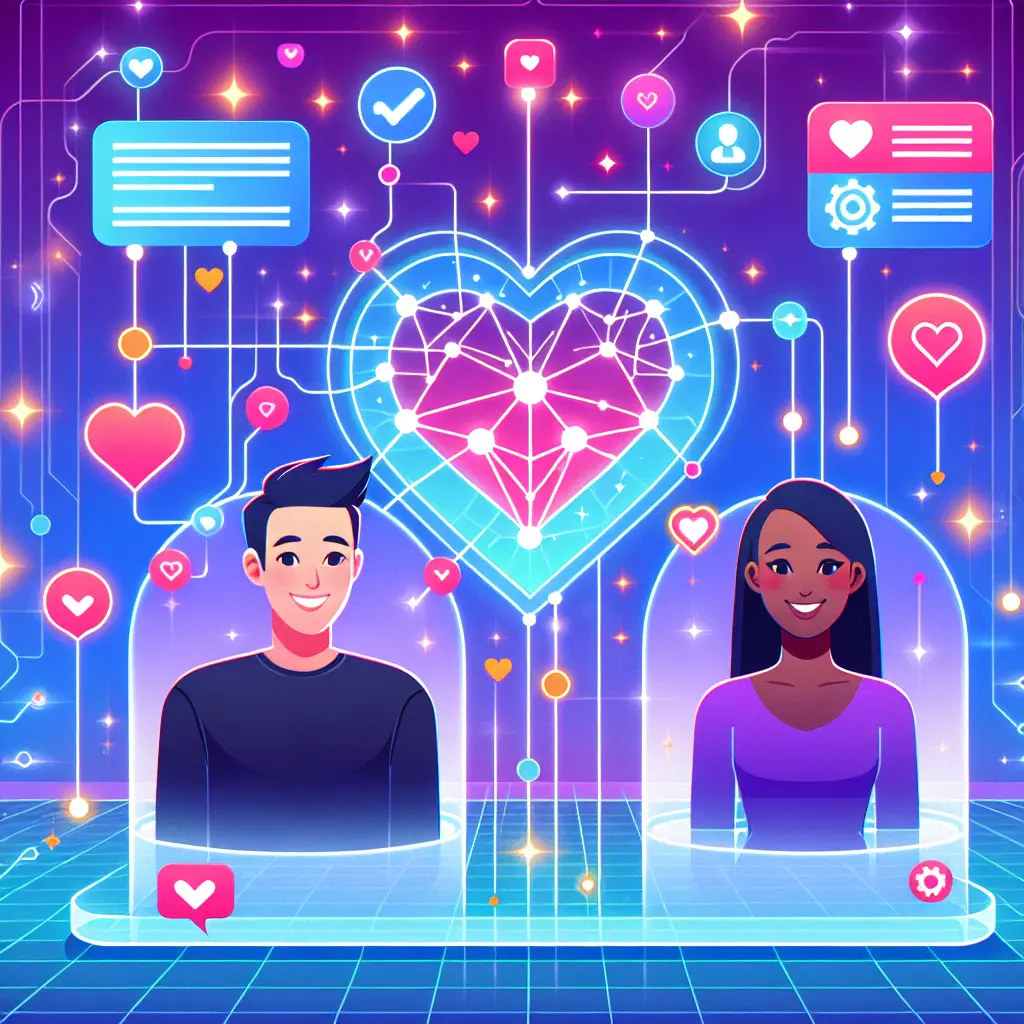
Dating algorithms and match science refer to the use of data-driven techniques and psychological principles to connect individuals seeking romantic relationships. These systems analyze user preferences, behaviors, and compatibility factors to suggest potential matches. By leveraging artificial intelligence, machine learning, and insights from social science, dating platforms aim to increase the likelihood of successful, meaningful connections, making the process of finding a partner more efficient and tailored to individual needs.
Dating Algorithms & Match Science
Dating algorithms and match science refer to the use of data-driven techniques and psychological principles to connect individuals seeking romantic relationships. These systems analyze user preferences, behaviors, and compatibility factors to suggest potential matches. By leveraging artificial intelligence, machine learning, and insights from social science, dating platforms aim to increase the likelihood of successful, meaningful connections, making the process of finding a partner more efficient and tailored to individual needs.
💡 Key Takeaways
- Understand how dating algorithms analyze preferences, behaviors, and compatibility to suggest matches.
- See how data and AI drive match recommendations in dating apps.
- Learn key psychological ideas behind attraction used in match science (similarity, reciprocity, timing).
- Consider biases, privacy, and ethical issues in algorithmic matchmaking.
❓ Frequently Asked Questions
What are dating algorithms and match science?
They are data-driven methods that use profiles, behaviors, and compatibility signals to suggest potential partners.
What factors do these systems analyze to make matches?
Explicit preferences (profiles, interests), activity patterns (likes, messages), location, and inferred traits like personality and values.
Do dating algorithms guarantee a perfect match?
No. They improve chances by surfacing compatible options, but real chemistry and dating dynamics still matter.
How does psychology influence match science?
It applies theories such as similarity-attraction, complementarity, and social signals to gauge compatibility and attraction beyond raw data.
How is my privacy handled when using dating algorithms?
Platforms collect data with your consent, offer privacy controls, and publish policies on data use and sharing; review settings to limit what is shared.