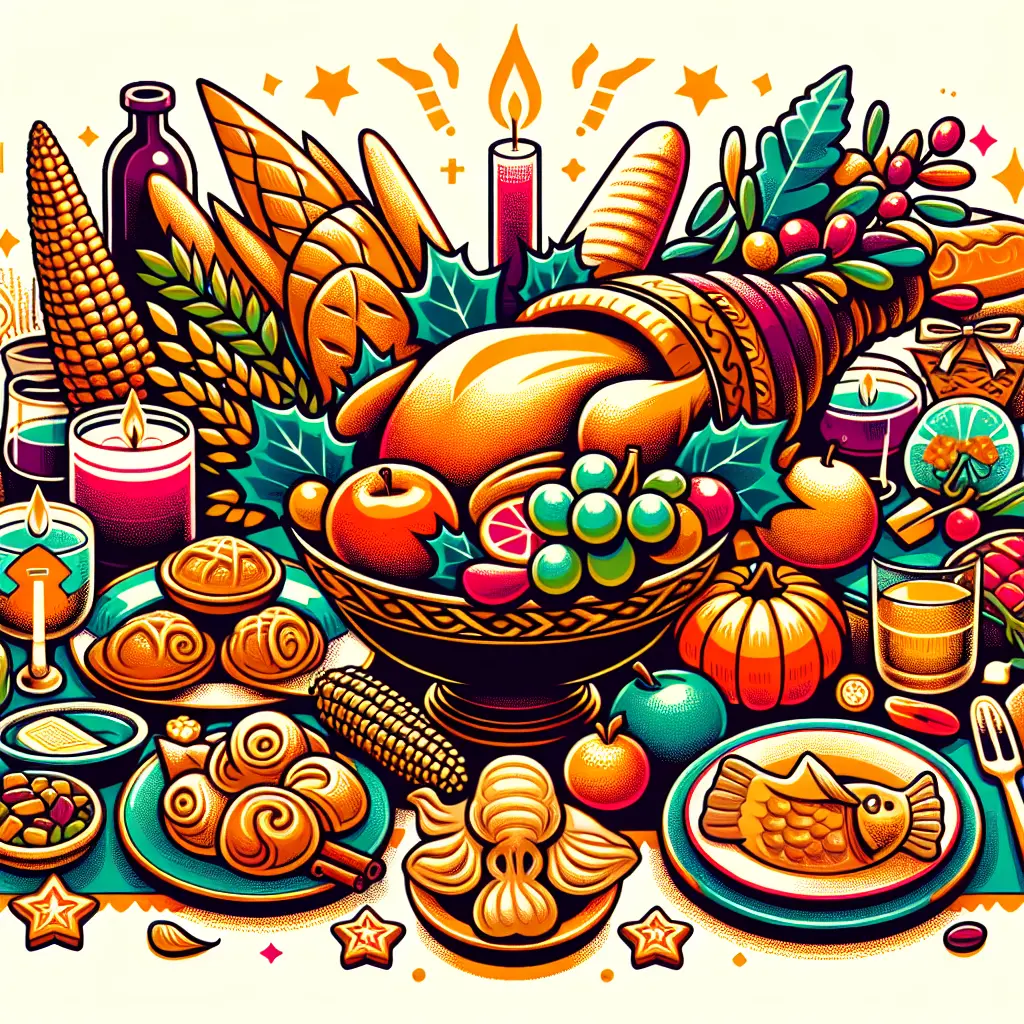
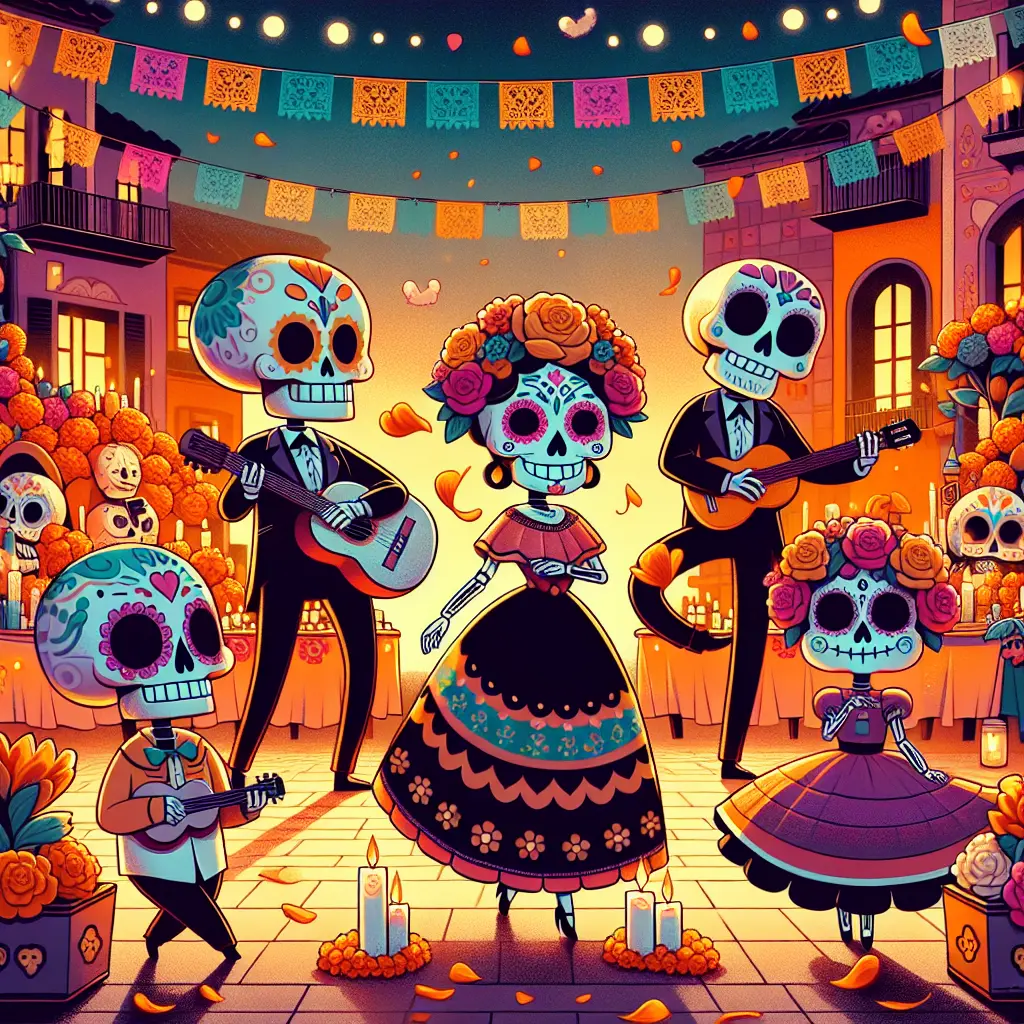
Day of the Dead is a vibrant Latin American tradition, especially celebrated in Mexico, honoring deceased loved ones with altars, marigolds, candles, and offerings of food. This festival blends indigenous beliefs with Catholic influences, reflecting a unique approach to death that emphasizes remembrance, celebration, and connection rather than mourning. Families gather to share memories, music, and rituals, reinforcing cultural identity and the enduring bonds between the living and the dead.
Day of the Dead & Latin American Remembrance
Day of the Dead is a vibrant Latin American tradition, especially celebrated in Mexico, honoring deceased loved ones with altars, marigolds, candles, and offerings of food. This festival blends indigenous beliefs with Catholic influences, reflecting a unique approach to death that emphasizes remembrance, celebration, and connection rather than mourning. Families gather to share memories, music, and rituals, reinforcing cultural identity and the enduring bonds between the living and the dead.
💡 Key Takeaways
- Understand that Day of the Dead honors deceased loved ones and emphasizes remembrance.
- Identify key elements like altars, marigolds, candles, and food offerings.
- See how indigenous beliefs blend with Catholic influences in Day of the Dead traditions.
- Recognize its prominence as a Latin American festival, especially in Mexico.
❓ Frequently Asked Questions
What is Day of the Dead?
A vibrant Latin American tradition, especially in Mexico, honoring deceased loved ones with altars (ofrendas), marigolds, candles, and food offerings; it blends Indigenous beliefs with Catholic influences and emphasizes remembrance.
What is an ofrenda (altar) and what does it include?
An ofrenda is a home altar built to welcome spirits, typically featuring photos of the departed, their favorite foods and drinks, marigolds, candles, sugar skulls, and religious items.
Why are marigolds and candles used?
Marigolds guide spirits to the altar with their bright color and scent, while candles light the path for visiting souls and symbolize remembrance.
What foods and symbols are commonly part of Day of the Dead offerings?
Foods like pan de muerto and the deceased’s favorite dishes, along with sugar skulls and beverages, are placed on the altar to honor memories.
How is Day of the Dead typically celebrated?
Families create altars, visit cemeteries, clean graves, share stories, and participate in community events, celebrating life and memory rather than mourning.