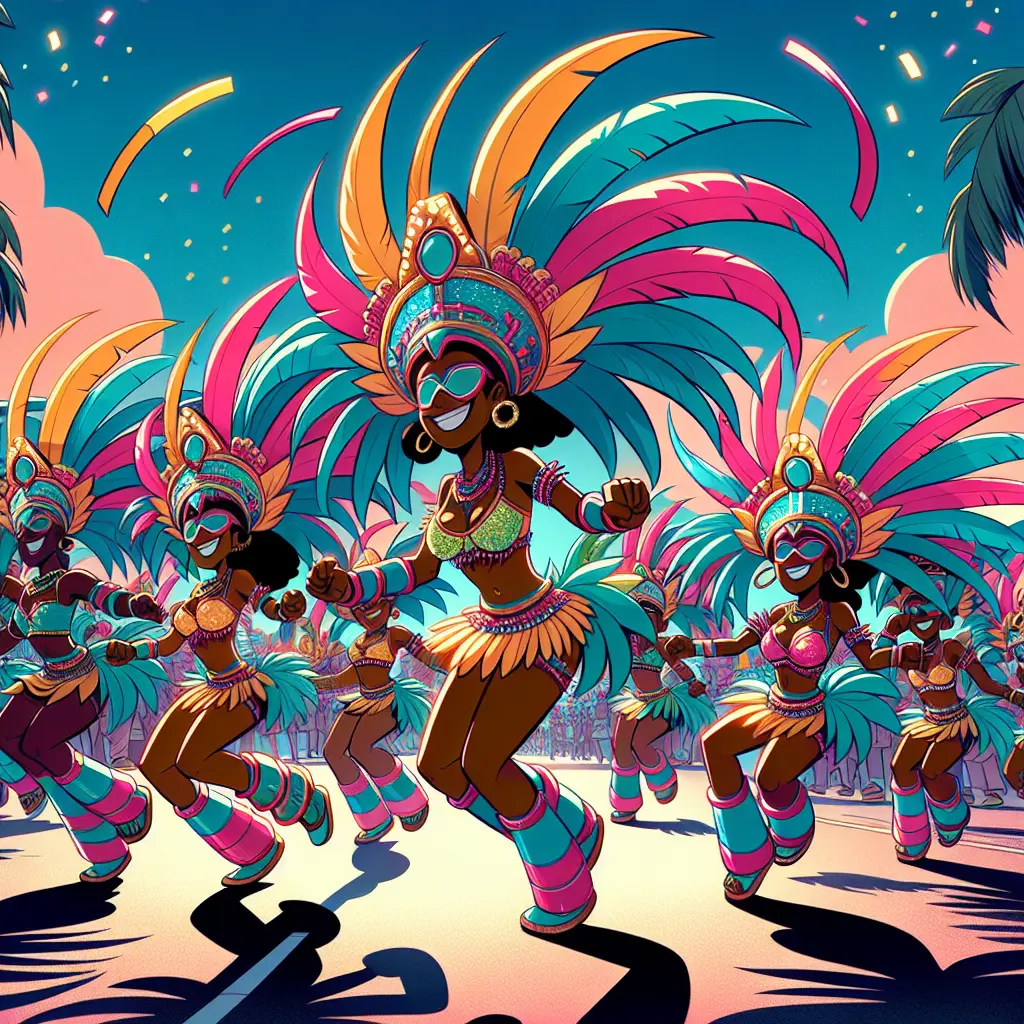
Day of the Dead (Día de los Muertos) is a vibrant Mexican holiday celebrated on November 1st and 2nd to honor and remember deceased loved ones. Families create colorful altars, or ofrendas, decorated with photos, candles, marigolds, and favorite foods of the departed. The festivities blend indigenous traditions with Catholic influences, featuring music, dance, sugar skulls, and parades, emphasizing the joyful remembrance of life rather than mourning.
Day of the Dead (Mexico)
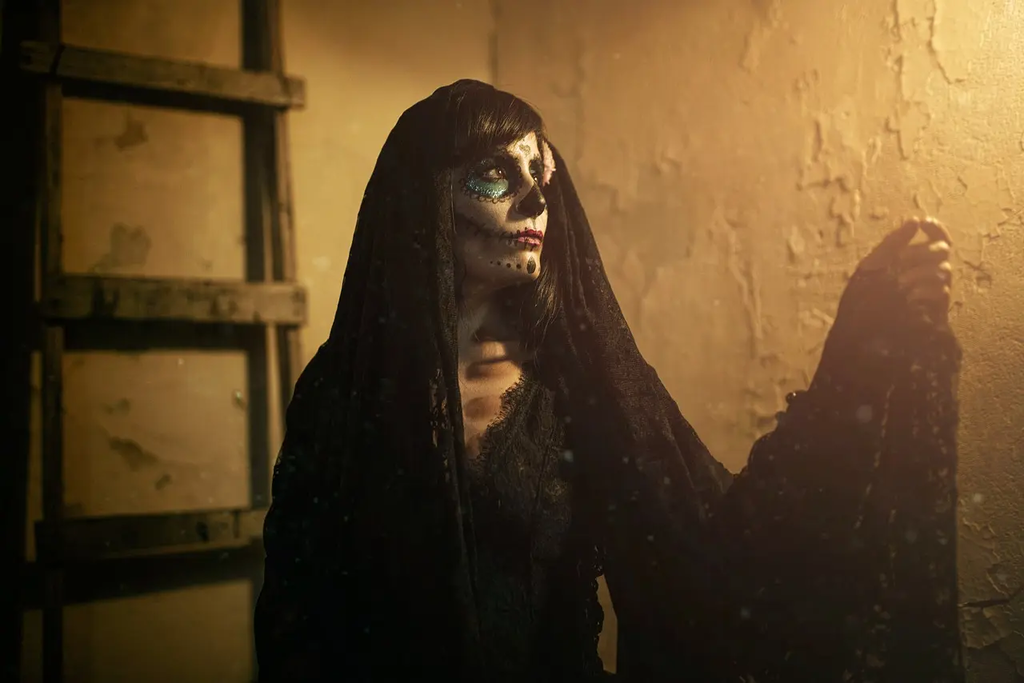
Day of the Dead (Día de los Muertos) is a vibrant Mexican holiday celebrated on November 1st and 2nd to honor and remember deceased loved ones. Families create colorful altars, or ofrendas, decorated with photos, candles, marigolds, and favorite foods of the departed. The festivities blend indigenous traditions with Catholic influences, featuring music, dance, sugar skulls, and parades, emphasizing the joyful remembrance of life rather than mourning.
💡 Key Takeaways
- Learn the dates and purpose of Día de los Muertos: celebrated on November 1–2 to honor and remember deceased loved ones.
- Discover what an ofrenda (altar) is and its common elements, such as photos, candles, marigolds, and the departed’s favorite foods.
- Explore symbols and practices associated with the festival, including vibrant colors and traditions that celebrate life and memory.
- Understand the cultural roots: the festival blends indigenous traditions with Catholic influences.
❓ Frequently Asked Questions
What is Día de los Muertos (Day of the Dead)?
A Mexican holiday on November 1–2 to honor and remember deceased loved ones, celebrated with colorful altars, family gatherings, and a joyful remembrance that blends Indigenous traditions with Catholic influences.
When are the two days celebrated and whom do they honor?
November 1 honors children who have died (All Saints’ Day); November 2 honors adults (All Souls’ Day). Families also visit graves and build altars to remember loved ones.
What is an ofrenda and what is typically placed on it?
An ofrenda is an altar that features photos, candles, marigolds, and the departed’s favorite foods, often complemented by sugar skulls and pan de muerto.
What do marigolds and sugar skulls symbolize in Day of the Dead celebrations?
Marigolds guide spirits to the offerings with their bright color and scent, while sugar skulls symbolize death and the sweet memory of loved ones.