The phrase "Day vs. Night Sky (Sky Signs: Rainbows & Stars)" contrasts the sky’s appearance during daytime and nighttime. By day, sunlight illuminates the sky, revealing phenomena like rainbows, which form when sunlight refracts through raindrops. At night, the sun sets, darkness falls, and stars become visible, twinkling across the sky. This phrase highlights how different atmospheric and celestial signs are visible depending on whether it is day or night.
Day vs. Night Sky+50
The phrase "Day vs. Night Sky (Sky Signs: Rainbows & Stars)" contrasts the sky’s appearance during daytime and nighttime. By day, sunlight illuminates the sky, revealing phenomena like rainbows, which form when sunlight refracts through raindrops. At night, the sun sets, darkness falls, and stars become visible, twinkling across the sky. This phrase highlights how different atmospheric and celestial signs are visible depending on whether it is day or night.
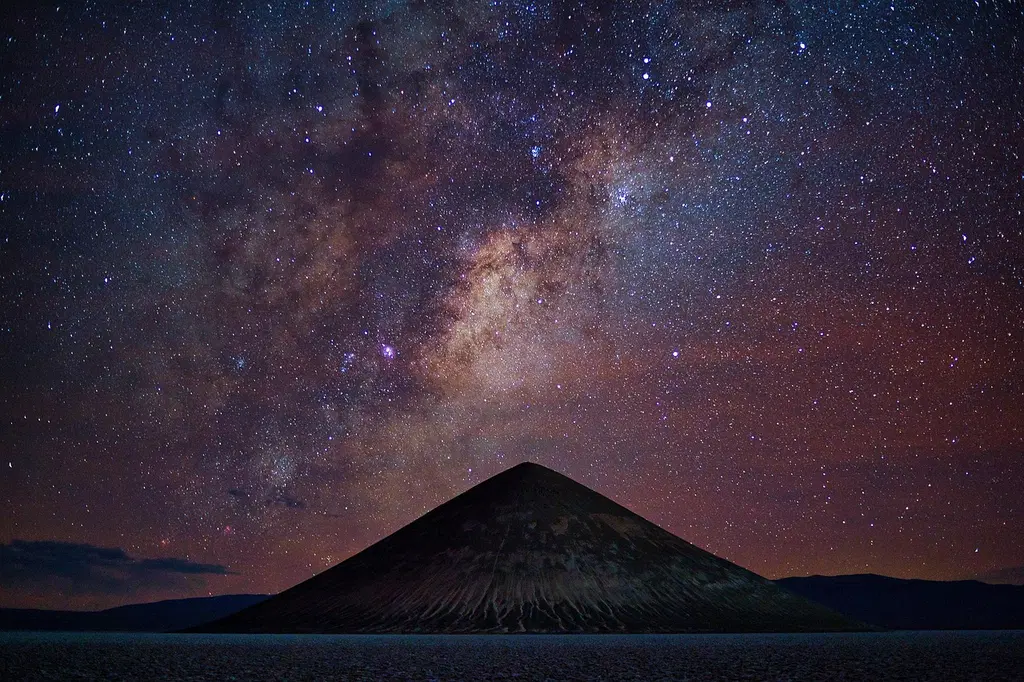
💡 Key Takeaways
- Identify common objects visible in the day vs. night sky (e.g., Sun, Moon, stars, planets).
- Explain why the daytime sky looks blue and how sunlight and the atmosphere influence visibility.
- Describe how light pollution and weather conditions affect night-sky visibility and how to mitigate them.
- Share practical tips for safe, effective sky viewing for both day and night.
❓ Frequently Asked Questions
Why is the sky blue during the day?
Sunlight is white, but the atmosphere scatters shorter blue wavelengths more, so the sky appears blue to our eyes.
Why does the night sky look dark and full of stars?
During night, the Sun’s light isn’t illuminating our hemisphere. Stars are distant point sources, and the space between them is mostly dark.
What causes sunsets to look red or orange?
When the Sun is near the horizon, its light travels through more atmosphere, scattering away shorter wavelengths and leaving longer red/orange wavelengths.
Why do stars twinkle at night?
Starlight passes through Earth's turbulent atmosphere, causing tiny refractive changes that make stars seem to twinkle; planets usually appear steadier.