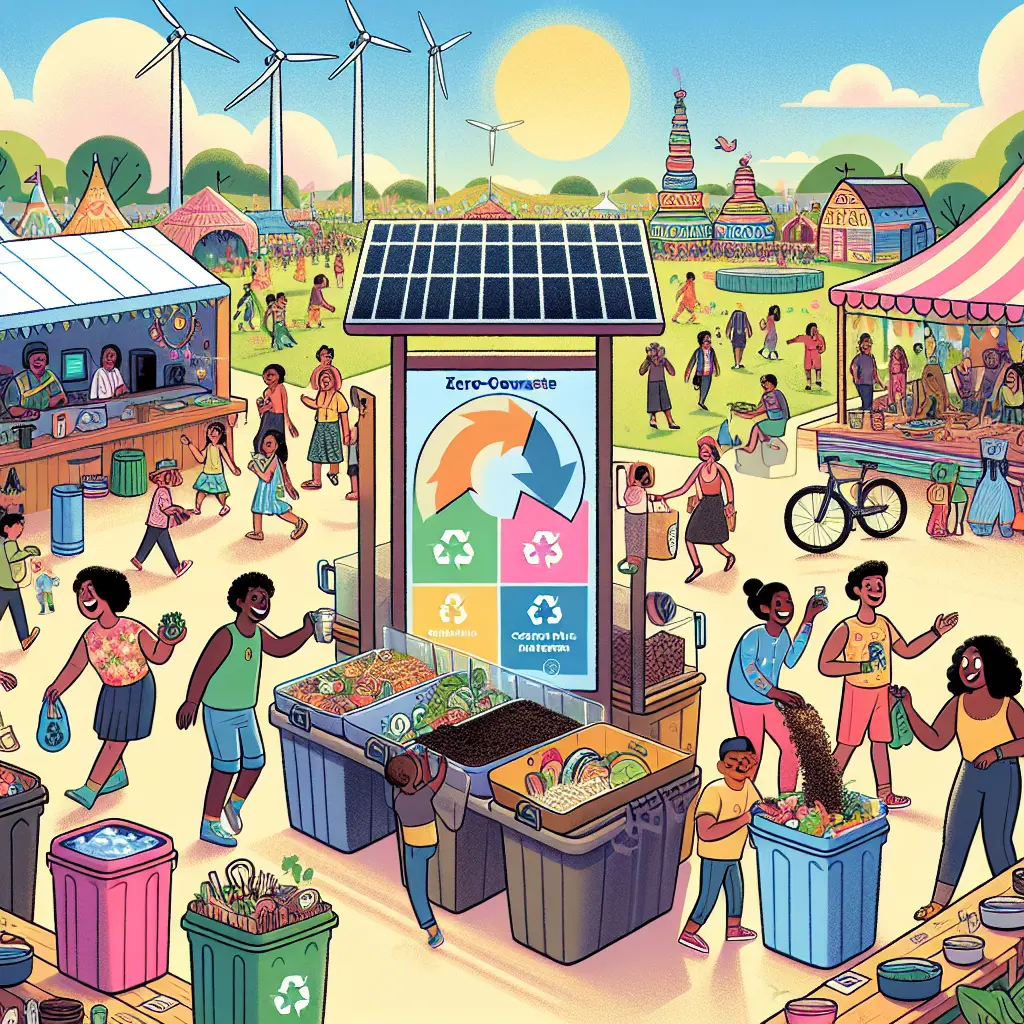
Decarbonizing seasonal supply chains refers to efforts aimed at reducing carbon emissions associated with the production, transportation, and distribution of goods that fluctuate in demand based on seasons. This involves adopting sustainable practices such as using renewable energy, optimizing logistics, sourcing local materials, and improving efficiency during peak periods. The goal is to minimize the environmental impact while maintaining timely delivery and meeting consumer needs throughout seasonal cycles.
Decarbonizing Seasonal Supply Chains
Decarbonizing seasonal supply chains refers to efforts aimed at reducing carbon emissions associated with the production, transportation, and distribution of goods that fluctuate in demand based on seasons. This involves adopting sustainable practices such as using renewable energy, optimizing logistics, sourcing local materials, and improving efficiency during peak periods. The goal is to minimize the environmental impact while maintaining timely delivery and meeting consumer needs throughout seasonal cycles.

❓ Frequently Asked Questions
What does decarbonizing seasonal supply chains mean?
It means reducing the carbon emissions from producing, moving, and delivering goods that peak during certain seasons or events by using cleaner energy, improving efficiency, and optimizing logistics.
What are the main emission sources in seasonal events like festivals?
Production energy, long-haul or air freight to meet peak demand, warehousing and handling, packaging waste, and inefficient routing or inventory management.
What practical strategies help decarbonize seasonal supply chains?
Use renewable energy in facilities, optimize routes and load sizes, source locally when possible, choose sustainable packaging, and coordinate logistics with partners to reduce trips.
How do forecasting and collaboration support decarbonization?
Accurate demand forecasts reduce overproduction and waste, while sharing data and coordinating with suppliers and venues enables consolidated shipments and better resource use, lowering emissions.