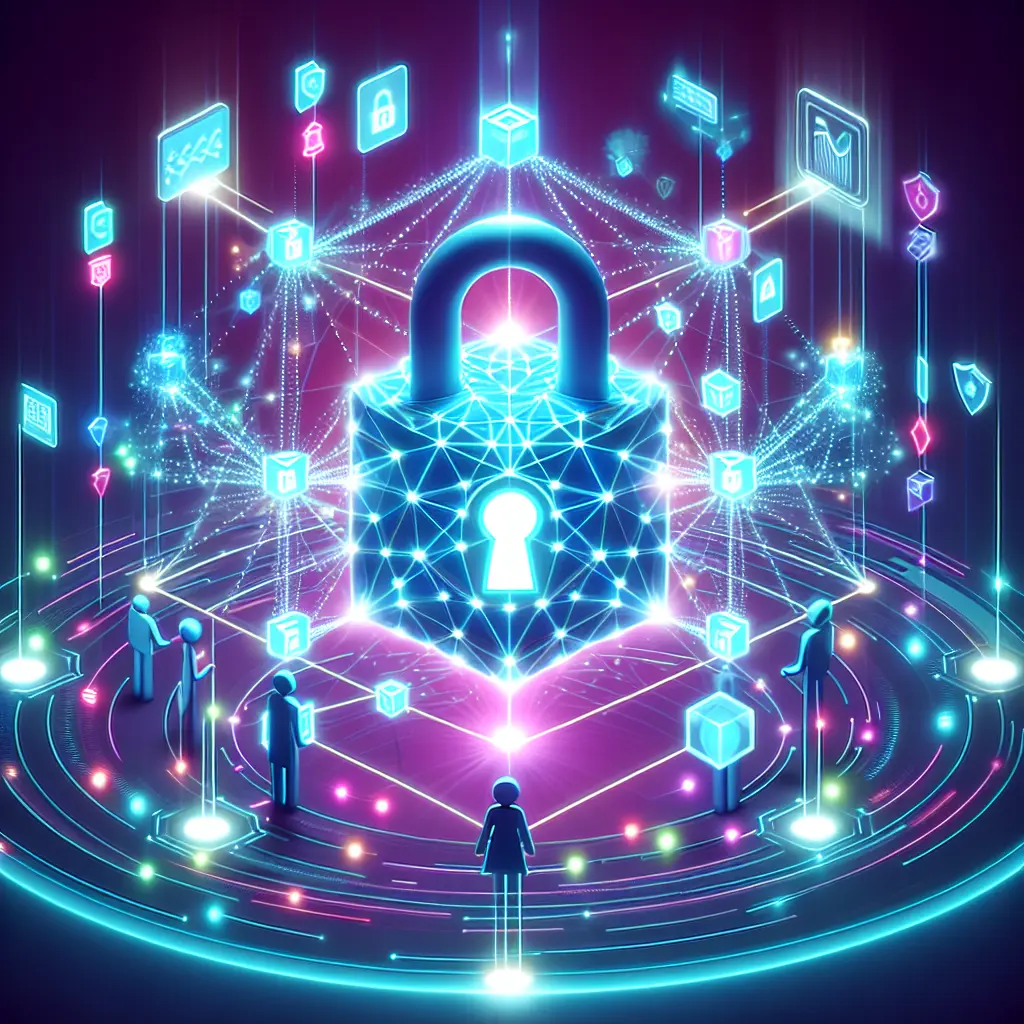
Decentralized Rights Management refers to the use of blockchain technology and other distributed ledger systems to manage and enforce intellectual property rights without relying on a central authority. By leveraging transparency, immutability, and smart contracts, these systems enable creators to track ownership, automate licensing, and ensure fair compensation. Beyond blockchains, emerging technologies are exploring new ways to empower users, reduce piracy, and streamline rights management across digital content and creative industries.
Decentralized Rights Management: Blockchains and Beyond
Decentralized Rights Management refers to the use of blockchain technology and other distributed ledger systems to manage and enforce intellectual property rights without relying on a central authority. By leveraging transparency, immutability, and smart contracts, these systems enable creators to track ownership, automate licensing, and ensure fair compensation. Beyond blockchains, emerging technologies are exploring new ways to empower users, reduce piracy, and streamline rights management across digital content and creative industries.
💡 Key Takeaways
- Understand how decentralized rights management uses blockchain to manage music IP without a central authority.
- Explore how transparency and immutability in ledgers help creators track ownership, rights, and usage.
- See how smart contracts automate licensing, permissions, and royalty distributions to rights holders.
- Identify challenges like platform interoperability, governance, privacy, and regulatory issues in decentralized rights ecosystems.
- Consider how this approach could shape the future of American music creation, collaboration, and monetization.
❓ Frequently Asked Questions
What is Decentralized Rights Management (DRM) in music?
A system that uses blockchain and distributed ledgers to register and enforce music rights without a central authority, making ownership, licenses, and usage terms transparent and tamper-evident.
What roles do blockchain and smart contracts play in DRM?
Blockchain provides a verifiable, immutable record of ownership and licensing terms; smart contracts automatically execute license terms and royalty payments when music is used or licensed.
How could DRM impact artist royalties?
By automating payments and increasing transparency, DRM can streamline royalty distribution and reduce intermediaries, though outcomes depend on industry adoption.
What are the key benefits and challenges of decentralized rights management in music?
Benefits include transparency, immutability, faster licensing, and fairer distribution. Challenges include regulatory recognition, interoperability between platforms, privacy concerns, and the need for standardization.
How does DRM differ from traditional rights management?
Traditional rights management relies on centralized intermediaries, whereas DRM distributes control via blockchain and smart contracts, enabling direct, automated enforcement of licenses and royalties.