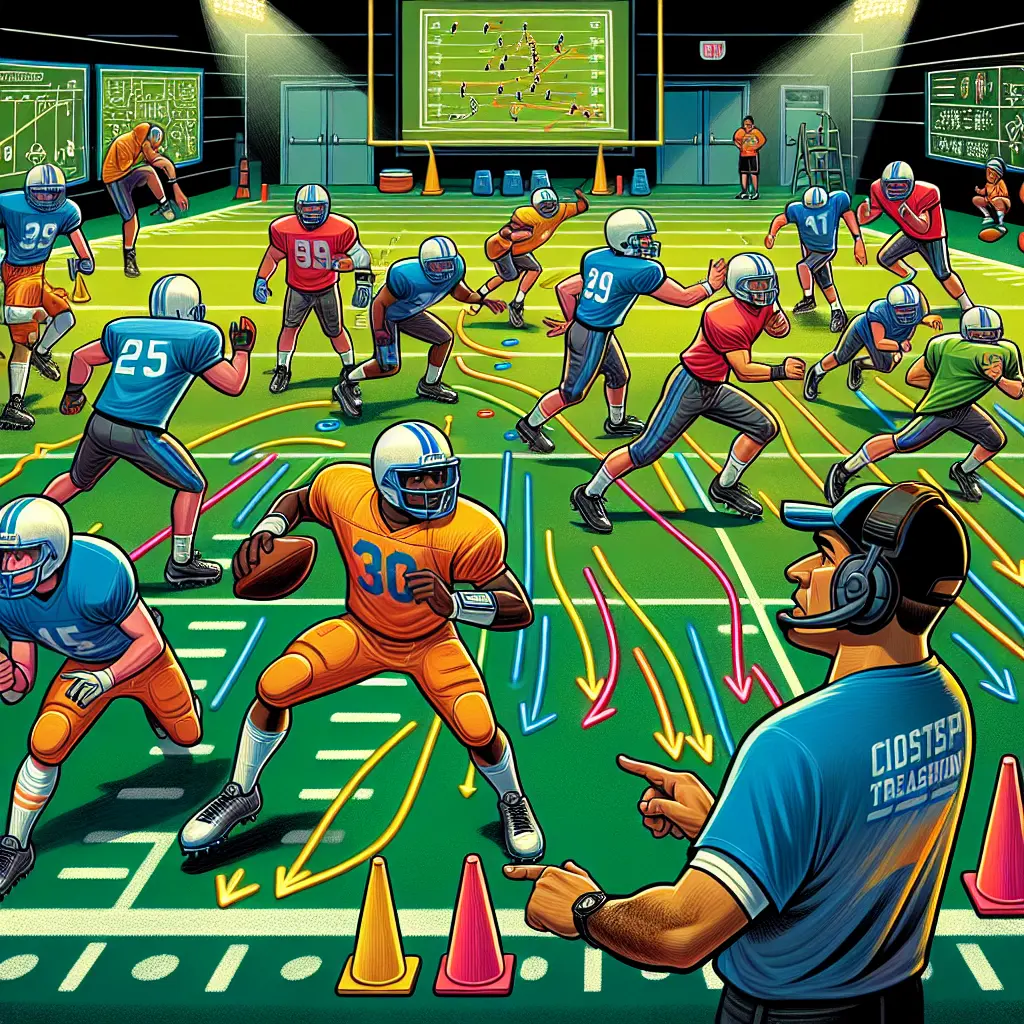
Defensive fronts 3-4 and 4-3 refer to football defensive alignments. A 3-4 front uses three down linemen and four linebackers, offering flexibility and complex blitz packages. In contrast, a 4-3 front features four down linemen and three linebackers, focusing on strong run defense and straightforward pass rush. Teams choose between these schemes based on player strengths, desired pressure, and coverage strategies to counter opposing offenses.
Defensive Fronts 3-4 vs 4-3
Defensive fronts 3-4 and 4-3 refer to football defensive alignments. A 3-4 front uses three down linemen and four linebackers, offering flexibility and complex blitz packages. In contrast, a 4-3 front features four down linemen and three linebackers, focusing on strong run defense and straightforward pass rush. Teams choose between these schemes based on player strengths, desired pressure, and coverage strategies to counter opposing offenses.
💡 Key Takeaways
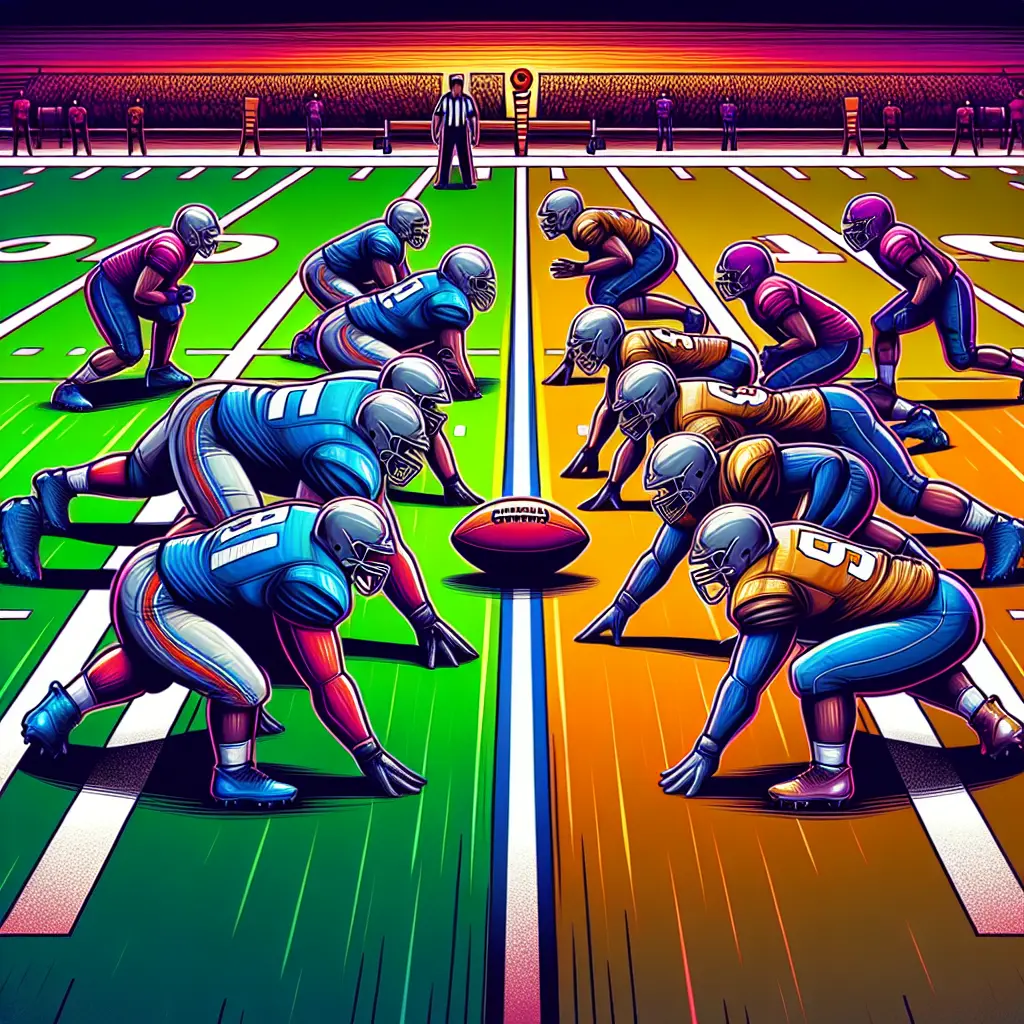
- Differentiate the 3-4 (three DL, four LBs) from the 4-3 (four DL, three LBs) and see how roles shift.
- Understand how the 3-4 front's flexibility enables diverse blitzes and disguises.
- Recognize how the 4-3 front emphasizes run defense and straightforward reads.
- Identify typical counter-strategies offenses use against each front and how defenses adjust with personnel and packages.
❓ Frequently Asked Questions
What is the basic difference between a 3-4 and a 4-3 defense?
A 3-4 uses three down linemen and four linebackers, offering flexibility and varied blitzes; a 4-3 uses four down linemen and three linebackers, focusing on solid run defense and straightforward alignment.
When would a team choose a 3-4 front over a 4-3?
When flexibility and diverse blitz options are priorities, or when the roster has versatile linebackers who can rush and drop into coverage.
How do player roles differ between the two fronts?
In a 3-4, outside linebackers often rush or drop into coverage while inside linebackers fill gaps; defensive ends may be lighter edge players. In a 4-3, defensive linemen focus on stopping the run and clogging gaps, with linebackers reading plays and pursuing.
Which front is typically stronger against the run and why?
The 4-3 is often stronger against the run due to four defensive linemen at the line of scrimmage, creating a sturdy interior; the 3-4 relies on linebackers to plug gaps and can be effective with the right scheme.