Deforestation refers to the large-scale removal of forests, often for agriculture, urban development, or logging, which leads to loss of biodiversity, disruption of ecosystems, and contributes to climate change. In contrast, reforestation is the process of planting trees in areas where forests have been depleted, aiming to restore ecological balance, improve air quality, and combat global warming by absorbing carbon dioxide from the atmosphere.
Deforestation and Reforestation
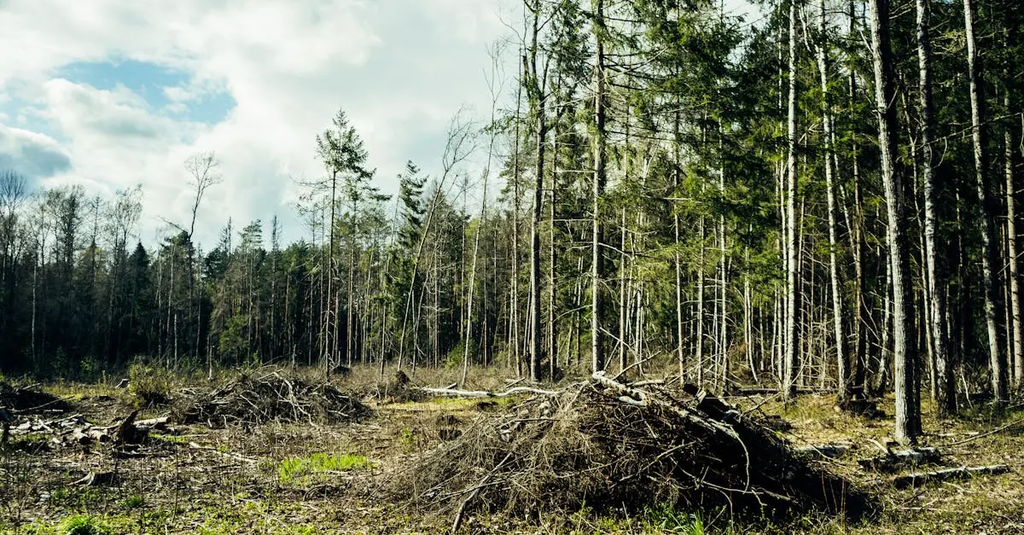
Deforestation refers to the large-scale removal of forests, often for agriculture, urban development, or logging, which leads to loss of biodiversity, disruption of ecosystems, and contributes to climate change. In contrast, reforestation is the process of planting trees in areas where forests have been depleted, aiming to restore ecological balance, improve air quality, and combat global warming by absorbing carbon dioxide from the atmosphere.
💡 Key Takeaways
- Define deforestation and its main drivers (agriculture, urban development, logging).
- Explain the ecological and climate impacts of deforestation (biodiversity loss, disrupted ecosystems, and increased carbon emissions).
- Define reforestation and explain how planting trees in cleared or degraded areas helps restore forests and biodiversity.
- Compare deforestation and reforestation, including goals and practices (sustainable forestry, use of native species, and community involvement).
❓ Frequently Asked Questions
What is deforestation?
Deforestation is the large-scale removal of forests, often for agriculture, urban development, or logging.
What are the impacts of deforestation on biodiversity and climate?
It leads to biodiversity loss, disrupts ecosystems, and reduces carbon storage, contributing to climate change.
What does reforestation mean?
Reforestation is the process of planting trees in areas where forests have been cleared or degraded.
How does reforestation help the climate?
Trees absorb carbon dioxide as they grow, helping offset emissions and restore carbon sinks.
Can reforestation fully restore all forest ecosystems?
Reforestation helps, but it may not fully restore original ecosystems or services; outcomes depend on species choice, location, and time.