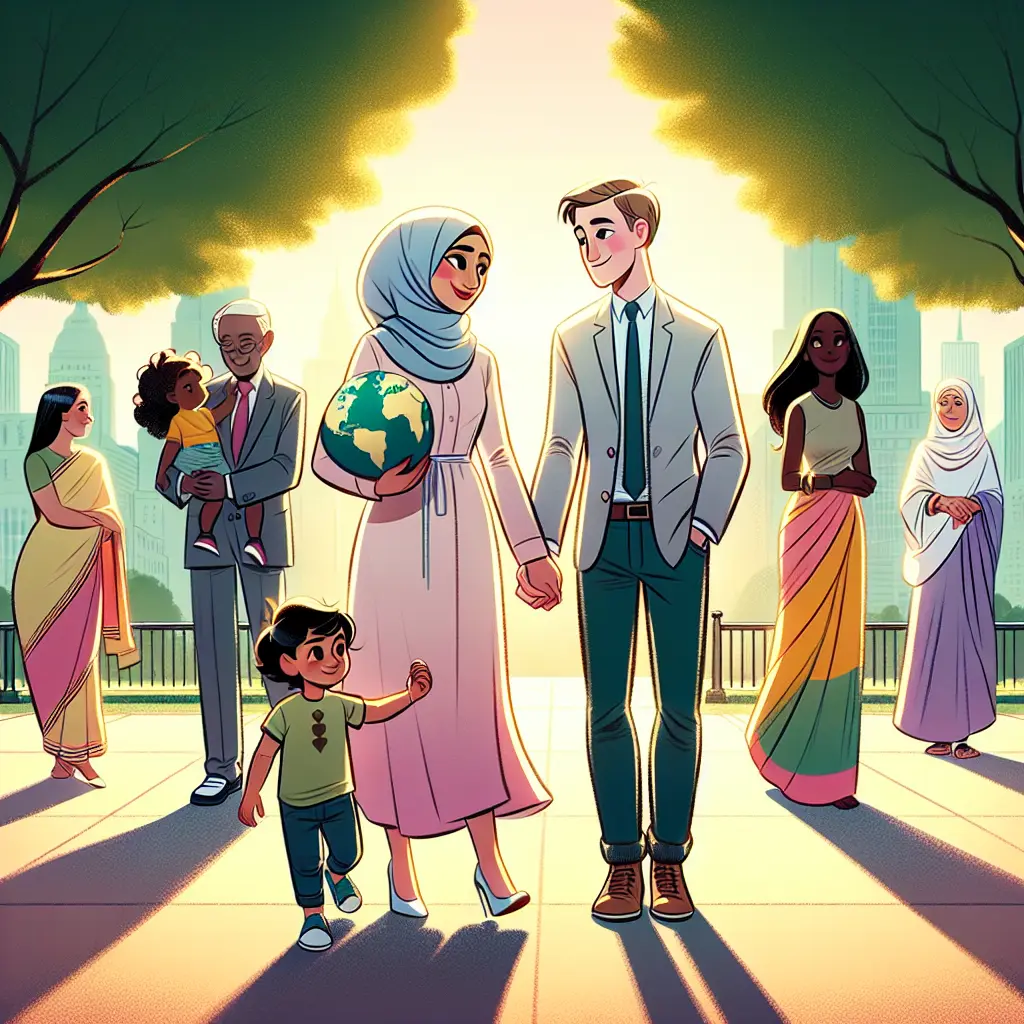
The demography of marriage and divorce trends examines patterns and statistical data related to how people marry and separate over time. It explores factors such as age at first marriage, marriage rates, divorce rates, and variations across regions, cultures, and socioeconomic groups. These trends reveal shifting social norms, changing family structures, and the influence of economic, educational, and legal factors on relationships, helping policymakers and researchers understand the evolving dynamics of modern society.
Demography of Marriage & Divorce Trends
The demography of marriage and divorce trends examines patterns and statistical data related to how people marry and separate over time. It explores factors such as age at first marriage, marriage rates, divorce rates, and variations across regions, cultures, and socioeconomic groups. These trends reveal shifting social norms, changing family structures, and the influence of economic, educational, and legal factors on relationships, helping policymakers and researchers understand the evolving dynamics of modern society.

💡 Key Takeaways
- Identify major trends in marriage and divorce rates over time and the factors that drive them.
- Compare age at first marriage and remarriage patterns across regions, cultures, and socioeconomic groups.
- Learn the key demographic metrics and data sources used to analyze marriage and divorce (e.g., marriage rate, divorce rate, median ages).
- Understand how social norms, economic conditions, and policies influence dating and partnership choices.
❓ Frequently Asked Questions
What is the demography of marriage and divorce?
The study of patterns in when people marry or divorce, including ages, rates, durations, and how these patterns vary by region, culture, and socioeconomic group.
What are common measures used to describe marriage trends?
Key measures include the marriage rate (marriages per 1,000 people per year), the divorce rate (divorces per 1,000 people per year), median age at first marriage, and the share of people who have ever married.
How has the typical age at first marriage changed over time?
In many places, people are marrying later—usually in the late 20s to early 30s—driven by education, career goals, and evolving gender norms, with variations by country and group.
Why do marriage and divorce trends vary across regions and socioeconomic groups?
Differences in culture, religion, legal frameworks, education, income, and gender roles shape when people marry and how stable marriages are.
How do economic conditions influence marriage and divorce?
Economic stability, housing, and policy context can encourage delaying marriage or affect divorce risk, as financial stress or security influences decisions and relationship stability.