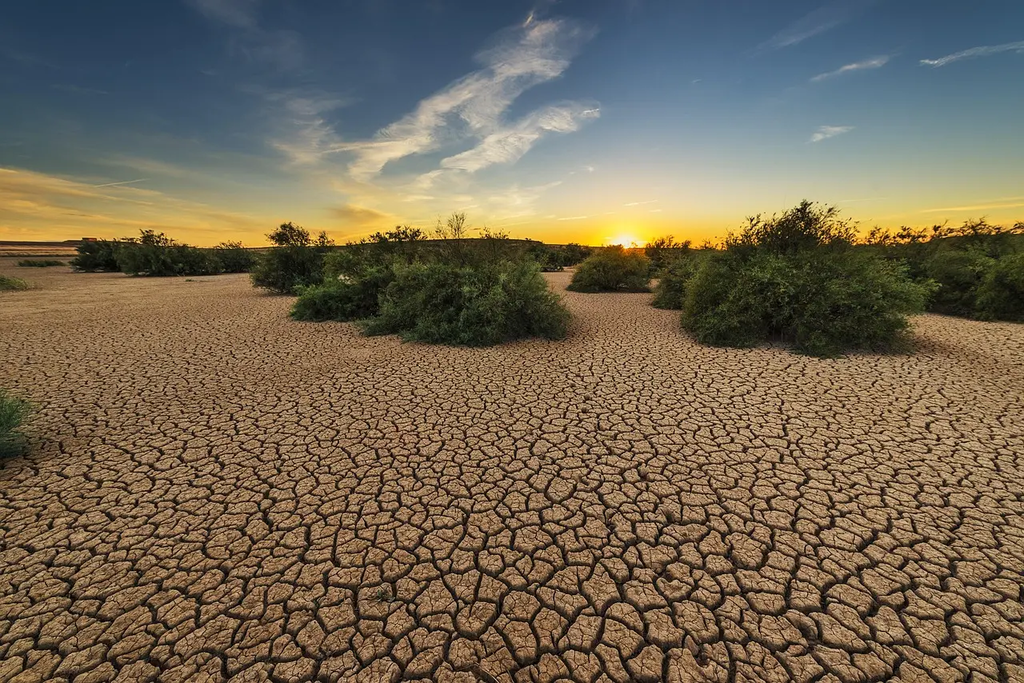
Desert climates are characterized by extremely low rainfall, high temperatures, and significant evaporation rates, making water a scarce and precious resource. Effective water management in these regions involves strategies like rainwater harvesting, efficient irrigation techniques, desalination, and recycling wastewater. These approaches are essential to support agriculture, human consumption, and industry, ensuring sustainability and resilience in the face of growing water scarcity and climatic challenges.
Desert Climates and Water Management
Desert climates are characterized by extremely low rainfall, high temperatures, and significant evaporation rates, making water a scarce and precious resource. Effective water management in these regions involves strategies like rainwater harvesting, efficient irrigation techniques, desalination, and recycling wastewater. These approaches are essential to support agriculture, human consumption, and industry, ensuring sustainability and resilience in the face of growing water scarcity and climatic challenges.
💡 Key Takeaways
- Understand how extreme heat and high evaporation in desert climates drive water scarcity and shape resource use.
- Learn how rainwater harvesting and other storage strategies can supplement scarce freshwater in arid regions.
- Compare efficient irrigation techniques (e.g., drip irrigation, scheduling) to minimize losses and maximize crop water productivity.
- Recognize the roles of desalination, water reuse, and sustainable groundwater management in sustaining desert communities.
❓ Frequently Asked Questions
What defines a desert climate?
Desert climates receive very little rainfall (often under 250 mm per year), have high daytime temperatures, large temperature swings, and high evaporation that rapidly depletes surface water.
Why is water management especially important in deserts?
Water is scarce and climate conditions cause rapid water loss; efficient collection, storage, and use are essential for drinking, farming, and maintaining ecosystems.
What are common strategies for managing water in desert regions?
Rainwater harvesting, efficient irrigation (like drip systems), desalination of seawater or brackish groundwater, wastewater recycling, and controlled aquifer recharge.
How does desalination work and what are its trade-offs?
Desalination removes salts from seawater or brackish water (often via reverse osmosis or thermal distillation), providing reliable water but requiring substantial energy and costs, with potential environmental concerns from brine discharge.