"Desert Crossings and Oases" evokes the challenging journey across vast, arid landscapes where survival is uncertain and resources are scarce. The phrase highlights the contrast between the harshness of the desert and the life-giving relief of oases—rare, fertile spots offering water, rest, and hope. It symbolizes perseverance through adversity and the importance of finding moments of respite and renewal amid difficult circumstances.
Desert Crossings and Oases
"Desert Crossings and Oases" evokes the challenging journey across vast, arid landscapes where survival is uncertain and resources are scarce. The phrase highlights the contrast between the harshness of the desert and the life-giving relief of oases—rare, fertile spots offering water, rest, and hope. It symbolizes perseverance through adversity and the importance of finding moments of respite and renewal amid difficult circumstances.
💡 Key Takeaways
- Prioritize water management, shade, and rest to survive long desert crossings.
- Learn to identify signs of water sources and how to navigate toward oases and landmarks.
- Recognize and prevent heat-related illnesses and dehydration; know when to retreat or pause.
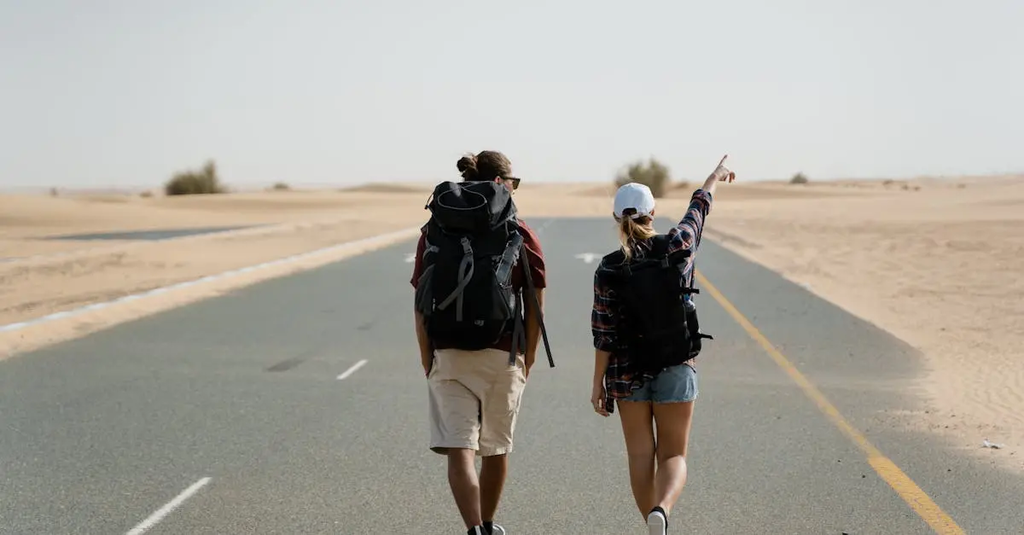
- Plan and prepare for desert travel: route selection, timing (cool hours), equipment, and emergency signaling.
❓ Frequently Asked Questions
What is an oasis and why is it important in desert crossings?
An oasis is a fertile spot in the desert with a water source and vegetation; it provides water, shade, rest, and a potential waypoint for travelers.
What are the main survival challenges when crossing a desert?
Extreme heat by day, cold at night, dehydration, sandstorms, scarce shade, and long distances between water sources.
How can you conserve and manage water during a desert crossing?
Plan and ration water, drink small amounts regularly, travel during cooler times, seek shade and cover, and carry reliable containers or purification options for uncertain sources.
How do explorers navigate deserts and locate oases or water sources?
Use maps, a compass or GPS, and follow landmarks or established routes; look for signs of water and vegetation such as palm groves, green patches, and birds.