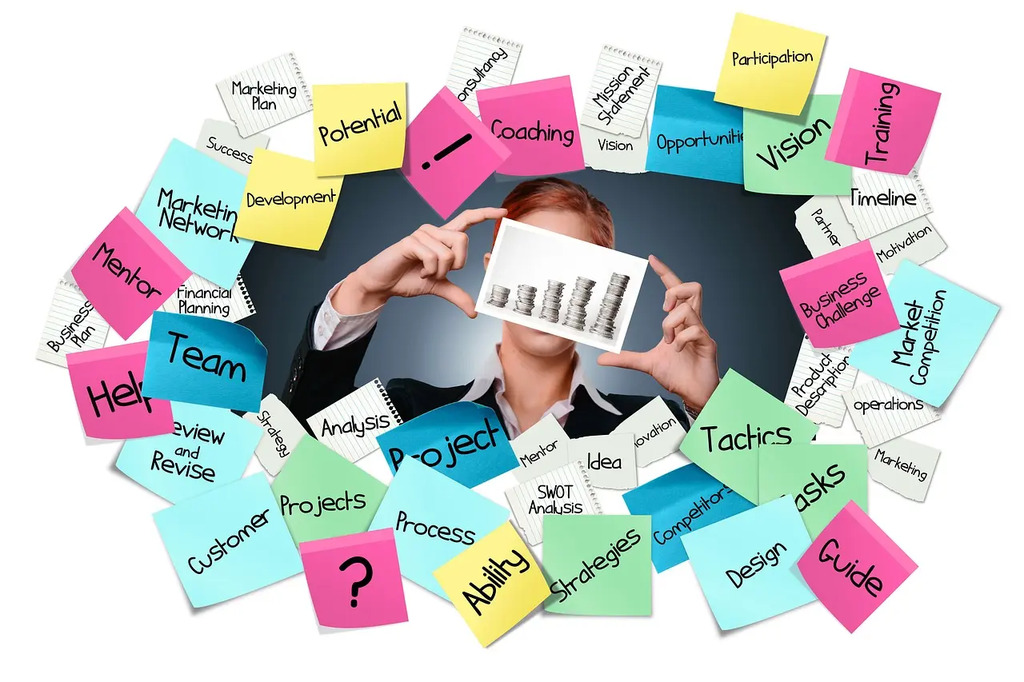
Design Thinking for Business is a human-centered approach to problem-solving that emphasizes empathy, creativity, and experimentation. It encourages businesses to deeply understand customer needs, challenge assumptions, and prototype innovative solutions. By integrating diverse perspectives and iterative feedback, Design Thinking fosters a culture of innovation, helping organizations address complex challenges, improve products or services, and drive sustainable growth. This methodology supports adaptability and continuous improvement in a rapidly changing business environment.
Design Thinking for Business
Design Thinking for Business is a human-centered approach to problem-solving that emphasizes empathy, creativity, and experimentation. It encourages businesses to deeply understand customer needs, challenge assumptions, and prototype innovative solutions. By integrating diverse perspectives and iterative feedback, Design Thinking fosters a culture of innovation, helping organizations address complex challenges, improve products or services, and drive sustainable growth. This methodology supports adaptability and continuous improvement in a rapidly changing business environment.

💡 Key Takeaways
- Understand the core principles of design thinking: empathy, define, ideate, prototype, and test.
- Apply human-centered research methods to uncover customer needs and pain points.
- Learn to challenge assumptions and reframe problems to unlock innovative business solutions.
- Use rapid prototyping and iterative testing to validate ideas with real users and refine outcomes.
❓ Frequently Asked Questions
What is design thinking in business?
A human-centered problem-solving approach that uses empathy, creativity, and experimentation to understand user needs and develop innovative solutions.
What are the typical stages of design thinking?
Empathize, Define, Ideate, Prototype, and Test; teams often move between exploring possibilities and narrowing to implement.
How does design thinking differ from traditional problem-solving?
It emphasizes deep user understanding, rapid prototyping, and iterative testing rather than long upfront planning and single-shot solutions.
How can a business start applying design thinking?
Assemble cross-functional teams, conduct user research, map the problem, run quick ideation sessions, create simple prototypes, and test with real users to learn and iterate.