Designing a Multi-Venue Nighttime Economy Strategy involves creating a coordinated plan to enhance and manage activities across various venues, such as bars, clubs, restaurants, and cultural spaces, during nighttime hours. The strategy aims to boost local economies, ensure public safety, improve transportation, and foster vibrant social environments. It requires collaboration between stakeholders, careful zoning, marketing initiatives, and attention to issues like noise, security, and community impact.
Designing a Multi-Venue Nighttime Economy Strategy
Designing a Multi-Venue Nighttime Economy Strategy involves creating a coordinated plan to enhance and manage activities across various venues, such as bars, clubs, restaurants, and cultural spaces, during nighttime hours. The strategy aims to boost local economies, ensure public safety, improve transportation, and foster vibrant social environments. It requires collaboration between stakeholders, careful zoning, marketing initiatives, and attention to issues like noise, security, and community impact.
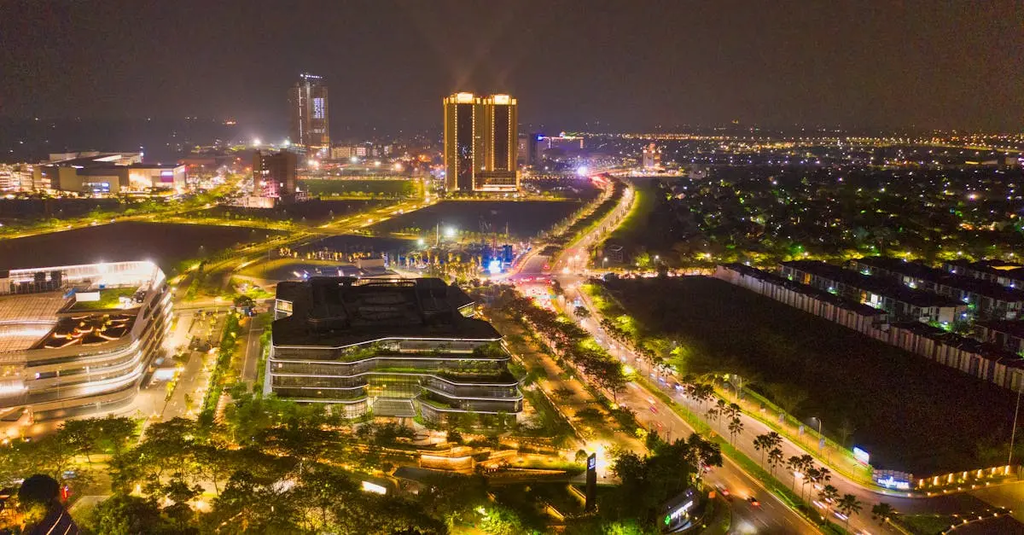
💡 Key Takeaways
- Understand how a coordinated multi-venue nighttime strategy can boost the local economy while prioritizing safety.
- Identify key components and stakeholders for cross-venue collaboration (bars, clubs, restaurants, cultural spaces, authorities, transport).
- Apply crowd management, risk assessment, and responsible-service practices for late-night events.
- Learn to measure success with economic impact, safety outcomes, and community satisfaction metrics.
❓ Frequently Asked Questions
What is a multi-venue nighttime economy strategy for hen, stag & party nights?
A coordinated plan to manage activities across bars, clubs, restaurants, and cultural spaces at night to boost the local economy while ensuring safety and smooth operations for bachelor/bachelorette and party events.
Why coordinate across multiple venues rather than focusing on a single venue?
Coordination creates consistent experiences, reduces conflicts, improves crowd flow and transport, and maximizes economic benefits across the entire area.
What are the essential components of such a strategy?
Governance and stakeholder roles, venue coordination and scheduling, safety and crowd management, transport accessibility, promotions, and data monitoring.
How is success measured?
Economic impact (spending, footfall), safety outcomes (incident rates), crowd-flow efficiency, resident satisfaction, and adherence to licensing and safety guidelines.
Who should be involved in developing and implementing the strategy?
Venue owners and staff, event organizers, local authorities, police and safety agencies, transport providers, health and safety professionals, and community representatives.