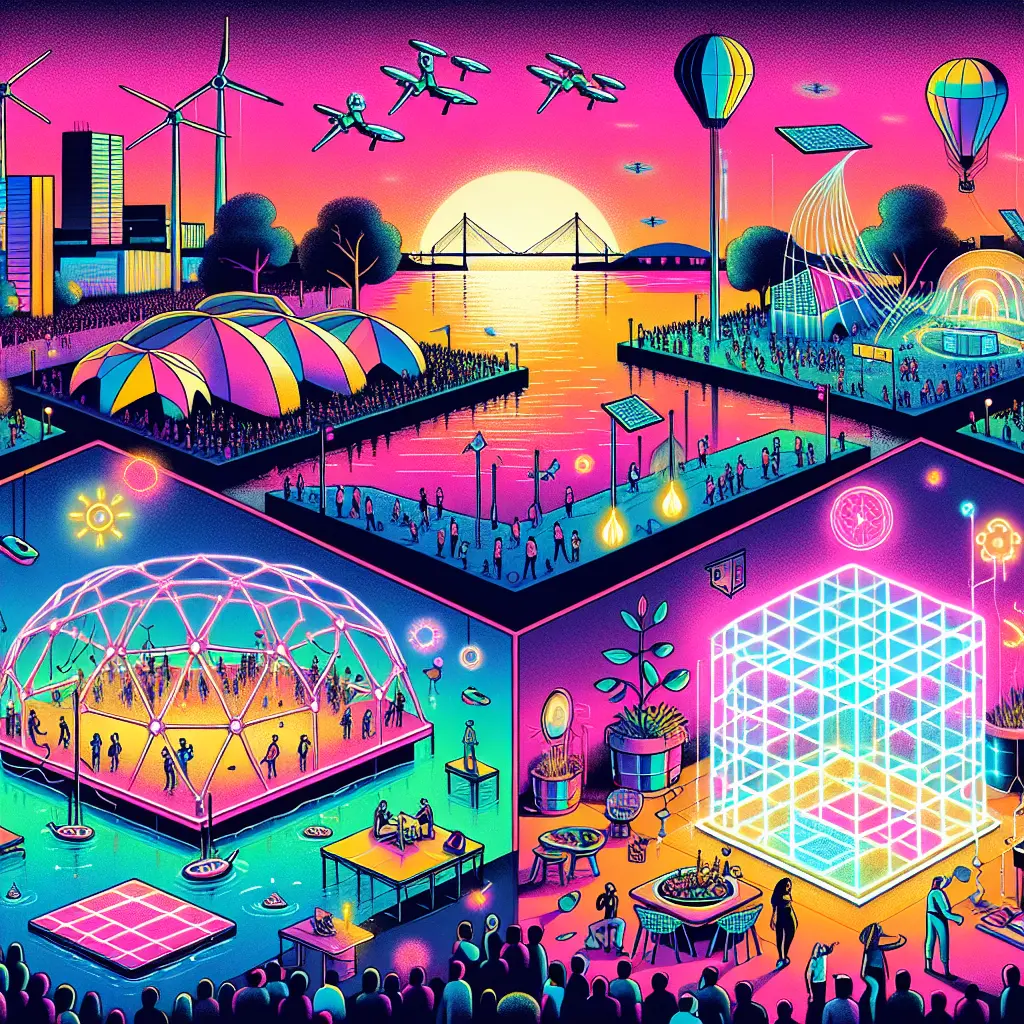
Designing new traditions and community rituals involves intentionally creating meaningful practices that bring people together, foster a sense of belonging, and reflect shared values or goals. These rituals can range from annual festivals to small group ceremonies, helping to strengthen community bonds and establish a collective identity. By crafting new traditions, communities can adapt to changing needs, celebrate diversity, and ensure that everyone feels included and valued in the shared experience.
Designing New Traditions & Community Rituals
Designing new traditions and community rituals involves intentionally creating meaningful practices that bring people together, foster a sense of belonging, and reflect shared values or goals. These rituals can range from annual festivals to small group ceremonies, helping to strengthen community bonds and establish a collective identity. By crafting new traditions, communities can adapt to changing needs, celebrate diversity, and ensure that everyone feels included and valued in the shared experience.
💡 Key Takeaways
- Design rituals that foster belonging and reflect shared values in the community.
- Differentiate between annual festivals and small-group ceremonies and choose the appropriate scale.
- Create a step-by-step process to turn a concept into a recurring tradition.
- Ensure inclusivity, accessibility, and cultural sensitivity so all members can participate.
- Plan for long-term sustainability with roles, routines, and rituals that can be maintained over time.
❓ Frequently Asked Questions
What is the purpose of designing new traditions and rituals?
To create meaningful, shared practices that bring people together, strengthen belonging, and reflect the community's values and goals.
How do you begin designing a new community ritual?
Define a clear purpose, involve diverse voices, choose a meaningful activity, decide timing, and plan logistics (venue, accessibility, budget) before trying a pilot.
What elements help a ritual reflect shared values?
Meaningful symbolism, inclusive participation, clear goals, consistent timing, and alignment with stories or practices that matter to members.
How can communities sustain engagement with new traditions over time?
Keep core values constant, rotate roles, document stories and outcomes, gather feedback, and adapt activities to changing needs while preserving core meaning.