The detailed digestive system refers to the complex network of organs and processes responsible for breaking down food, absorbing nutrients, and eliminating waste in the human body. It begins with ingestion in the mouth, followed by mechanical and chemical digestion in the stomach and intestines. Key organs include the esophagus, stomach, small and large intestines, liver, pancreas, and gallbladder, all working together to convert food into energy and essential nutrients.
Detailed Digestive System
The detailed digestive system refers to the complex network of organs and processes responsible for breaking down food, absorbing nutrients, and eliminating waste in the human body. It begins with ingestion in the mouth, followed by mechanical and chemical digestion in the stomach and intestines. Key organs include the esophagus, stomach, small and large intestines, liver, pancreas, and gallbladder, all working together to convert food into energy and essential nutrients.
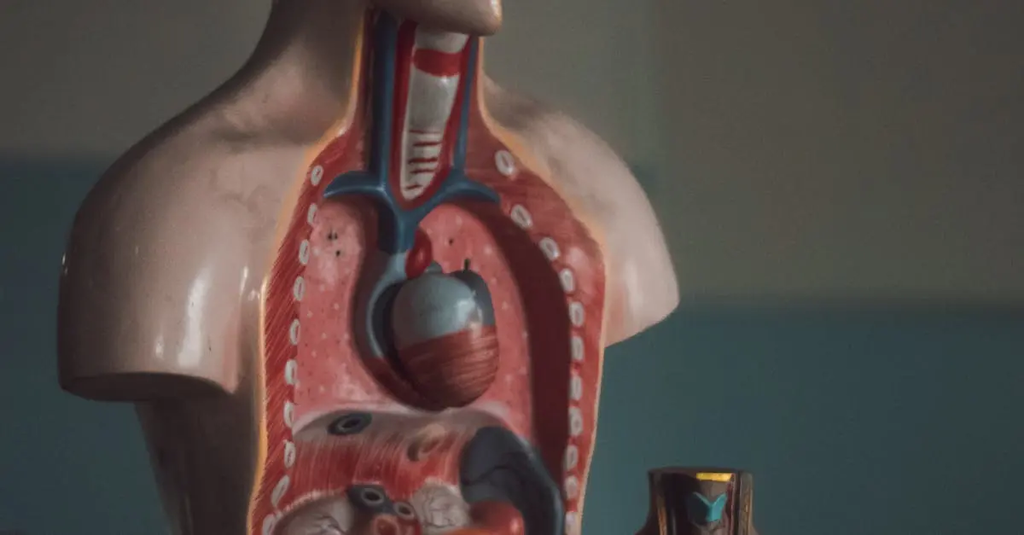
💡 Key Takeaways
- Identify the main components of the digestive system and their functions
- Explain how the mouth, esophagus, stomach, and intestines work together to digest food
- Describe the roles of enzymes and hormones in digestion
- Differentiate between mechanical and chemical digestion and where they occur
❓ Frequently Asked Questions
What is the digestive system?
A body system that breaks down food, absorbs nutrients, and eliminates waste. It includes the mouth, esophagus, stomach, intestines, liver, pancreas, and more.
What are the main organs of the digestive system?
Digestive tract: mouth, esophagus, stomach, small intestine, large intestine, and rectum. Accessory organs: liver, gallbladder, and pancreas.
What is the role of enzymes in digestion?
Enzymes like amylase, protease, and lipase speed up chemical reactions that break carbohydrates, proteins, and fats into smaller, absorbable molecules.
What is the difference between mechanical and chemical digestion?
Mechanical digestion physically breaks down food (chewing, grinding). Chemical digestion uses enzymes and acids to break chemical bonds.
How does the small intestine absorb nutrients?
Villi and microvilli increase surface area; nutrients pass into blood or lymph through absorptive cells.