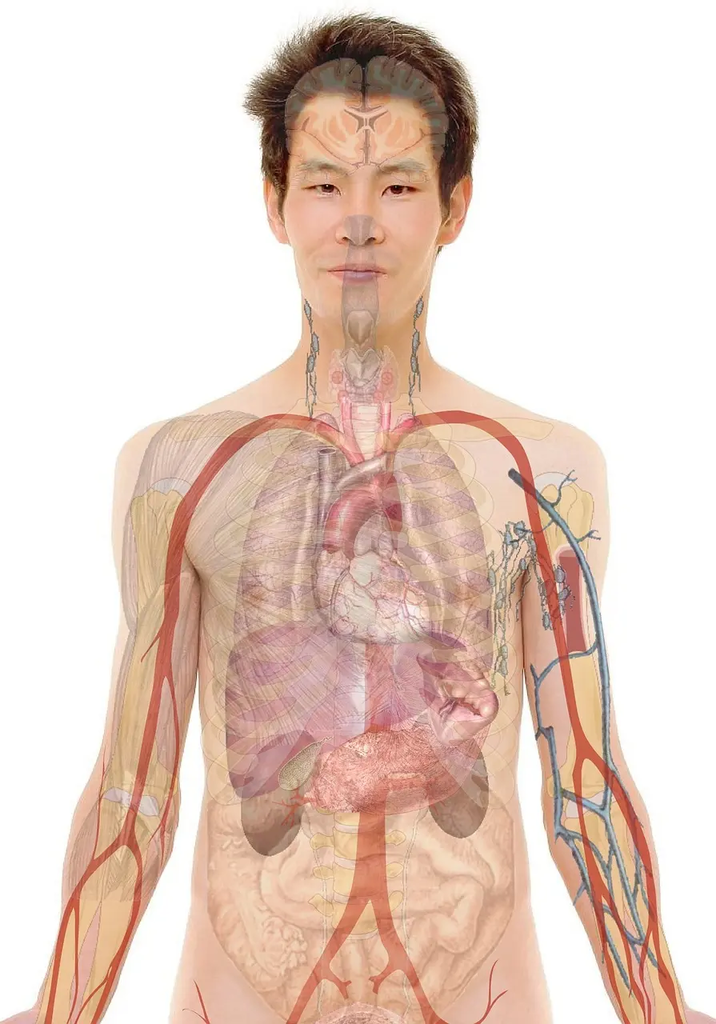
The detailed endocrine system refers to the network of glands in the human body that produce and release hormones. These hormones regulate vital functions such as growth, metabolism, reproduction, and mood. Key glands include the pituitary, thyroid, adrenal, pancreas, and gonads. Each gland secretes specific hormones into the bloodstream, ensuring communication between organs and maintaining homeostasis. Understanding this system is fundamental to grasping how the body controls and coordinates its activities.
Detailed Endocrine System
The detailed endocrine system refers to the network of glands in the human body that produce and release hormones. These hormones regulate vital functions such as growth, metabolism, reproduction, and mood. Key glands include the pituitary, thyroid, adrenal, pancreas, and gonads. Each gland secretes specific hormones into the bloodstream, ensuring communication between organs and maintaining homeostasis. Understanding this system is fundamental to grasping how the body controls and coordinates its activities.

💡 Key Takeaways
- Identify the major endocrine glands (pituitary, thyroid, parathyroid, adrenal, pancreas, gonads) and their key hormones.
- Explain how hormones regulate metabolism, growth, reproduction, and stress responses.
- Describe negative feedback loops that maintain hormonal balance.
- Compare endocrine signaling with the nervous system in terms of speed, duration, and targets.
- Recognize common endocrine disorders and their typical symptoms.
❓ Frequently Asked Questions
What is the endocrine system?
A network of glands that release hormones into the bloodstream to regulate growth, metabolism, reproduction, and stress responses.
Which glands are major parts of the endocrine system?
Pituitary, hypothalamus, thyroid, parathyroids, adrenals, pancreas, ovaries or testes, pineal gland, and thymus (more prominent in children).
What is a hormone and how does it work?
A chemical messenger that travels in the blood to distant target cells, triggering specific activities such as metabolism or growth.
How do the endocrine and nervous systems differ?
The nervous system uses fast electrical signals for quick, targeted actions; the endocrine system uses hormones in the blood for slower, longer-lasting effects.
What is negative feedback in hormone regulation?
A control mechanism where rising hormone levels reduce its own release or trigger opposite actions to maintain balance (for example, thyroid hormones can suppress TSH).