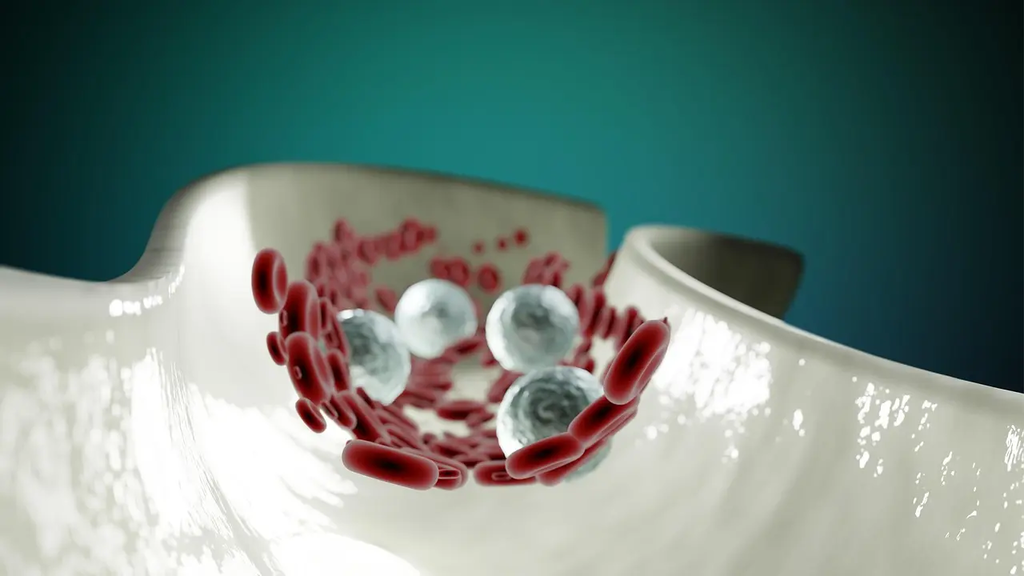
The detailed immune system refers to the complex network of cells, tissues, and organs in the human body that work together to defend against harmful invaders like bacteria, viruses, and parasites. It includes components such as white blood cells, antibodies, the lymphatic system, spleen, thymus, and bone marrow. This system identifies, attacks, and remembers pathogens, providing both immediate and long-term protection to maintain overall health and prevent infections.
Detailed Immune System
The detailed immune system refers to the complex network of cells, tissues, and organs in the human body that work together to defend against harmful invaders like bacteria, viruses, and parasites. It includes components such as white blood cells, antibodies, the lymphatic system, spleen, thymus, and bone marrow. This system identifies, attacks, and remembers pathogens, providing both immediate and long-term protection to maintain overall health and prevent infections.
💡 Key Takeaways
- Distinguish between innate and adaptive immunity and explain how they work together.
- Identify major immune cells (neutrophils, macrophages, dendritic cells, T cells, B cells) and summarize their roles.
- Describe how antibodies are produced and how they neutralize pathogens.
- Outline the steps of a typical immune response, from antigen recognition to memory.
❓ Frequently Asked Questions
What are the main components of the immune system?
Barriers (skin, mucosa), innate immunity (fast, non-specific cells like neutrophils and macrophages and the complement system), and adaptive immunity (T and B lymphocytes and antibodies).
How do innate and adaptive immunity differ?
Innate immunity provides immediate, general defense; adaptive immunity is slower at first but specific and creates memory after exposure.
What are antibodies and what do they do?
Antibodies are proteins produced by B cells that bind specific pathogens or toxins, neutralize them, and flag them for attack by other immune cells.
What roles do T cells play in the immune response?
Helper T cells coordinate responses; cytotoxic T cells destroy infected cells; regulatory T cells help prevent autoimmunity.
What is inflammation and why is it important?
Inflammation is the tissue response to infection or injury, driven by cytokines and histamines, causing redness, heat, swelling, and pain to help heal.