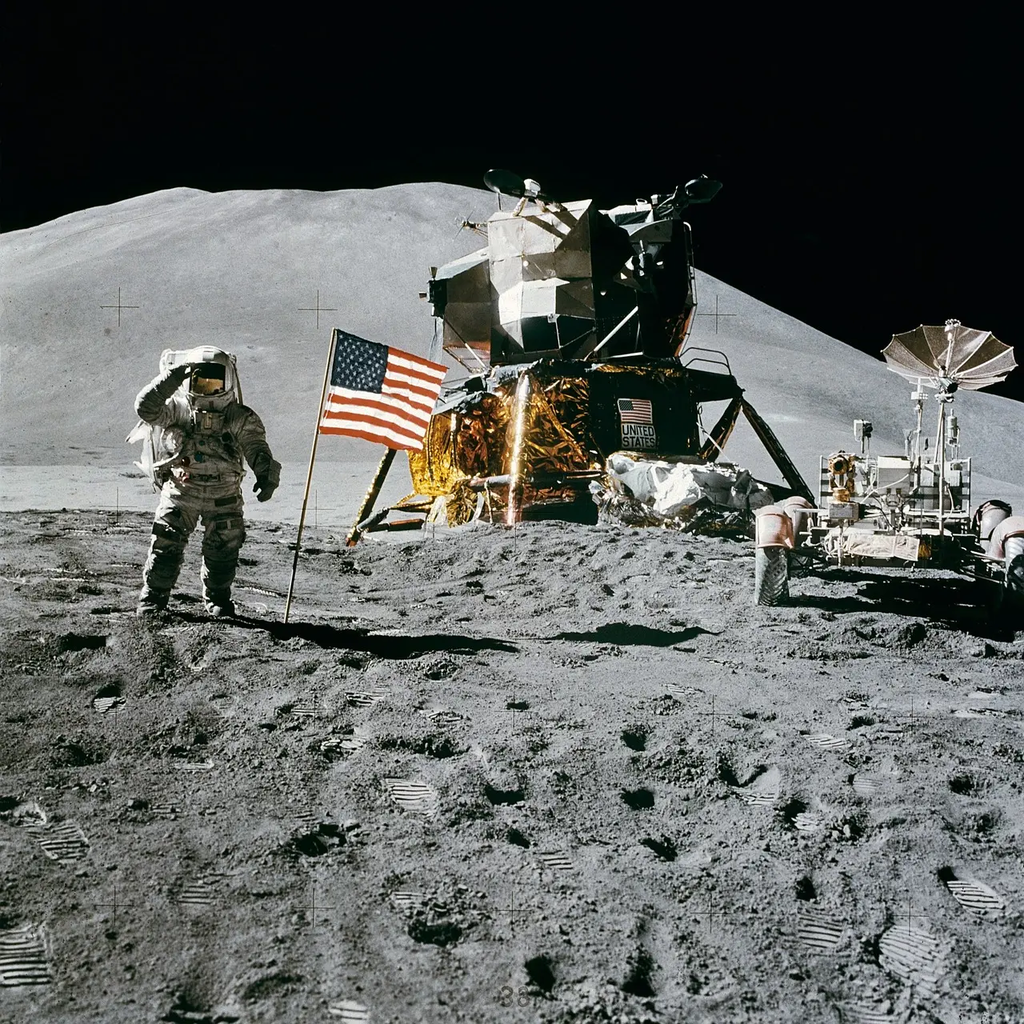
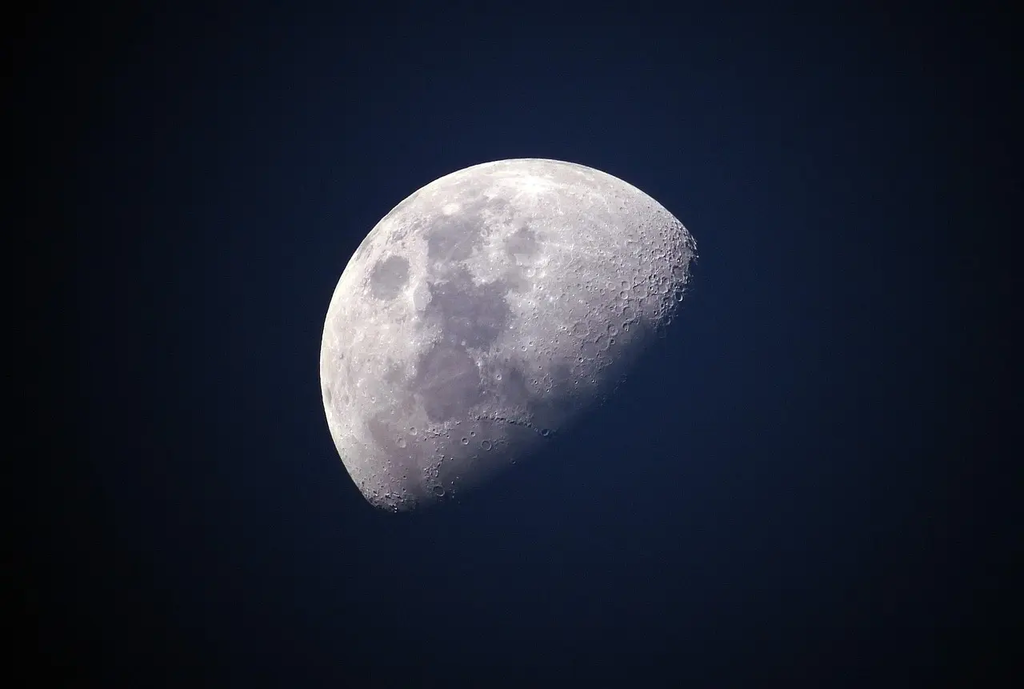
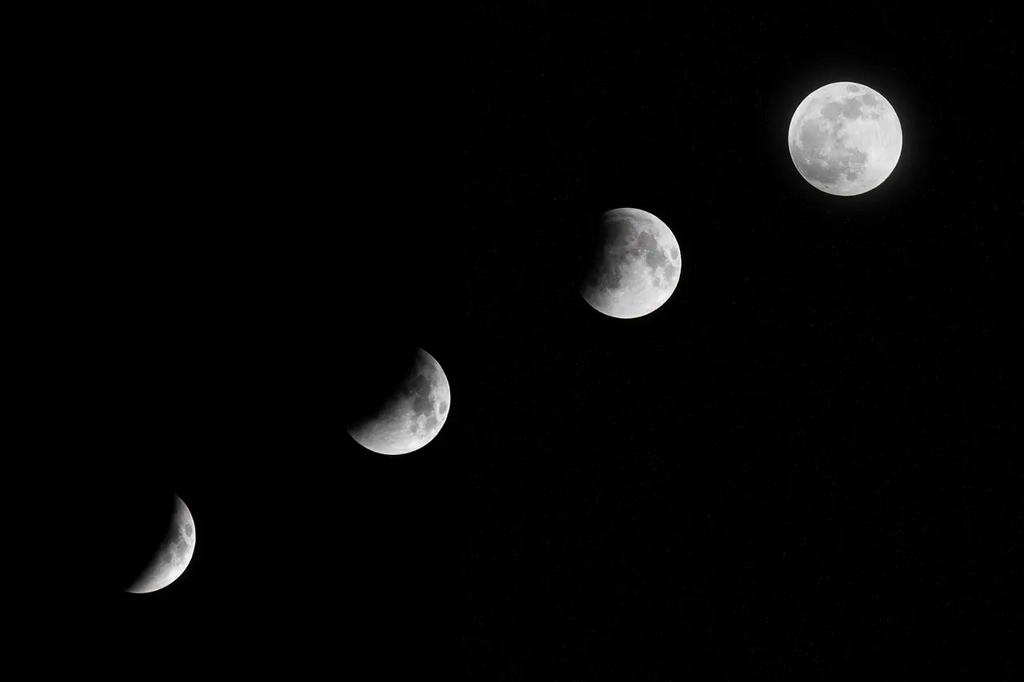
A detailed study of Apollo 11 examines the historic 1969 mission that first landed humans on the Moon. It covers the spacecraft’s design, the astronauts’ training, and the challenges faced during the journey. The study explores key events like the lunar landing, Neil Armstrong’s first steps, and the collection of moon samples. It also analyzes the mission’s scientific achievements and its profound impact on technology and space exploration.
Detailed Study of Apollo 11
A detailed study of Apollo 11 examines the historic 1969 mission that first landed humans on the Moon. It covers the spacecraft’s design, the astronauts’ training, and the challenges faced during the journey. The study explores key events like the lunar landing, Neil Armstrong’s first steps, and the collection of moon samples. It also analyzes the mission’s scientific achievements and its profound impact on technology and space exploration.
💡 Key Takeaways
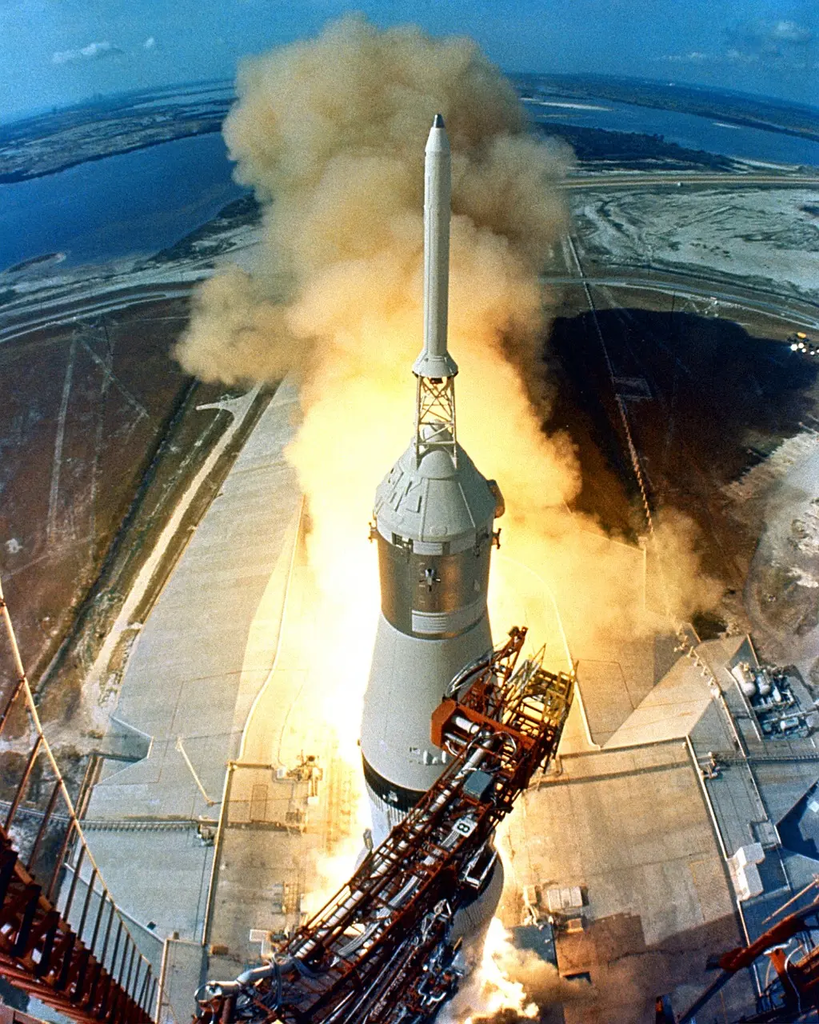
- Understand the main steps of the Apollo 11 mission: launch, lunar landing, moonwalk, and return.
- Identify the crew and the roles of the Command/Service Module and Lunar Module.
- Explain the major technical challenges and the innovations that enabled the lunar landing.
- Recognize Apollo 11's historical significance and its impact on science, engineering, and society.
❓ Frequently Asked Questions
What milestone did Apollo 11 achieve?
Apollo 11 was the first crewed mission to land humans on the Moon and return them safely to Earth.
Who were the astronauts on Apollo 11 and what were their roles?
Neil Armstrong (Commander), Buzz Aldrin (Lunar Module Pilot), Michael Collins (Command Module Pilot).
What was the name of the lunar module and where did it land?
The lunar module was named Eagle, and it landed in Mare Tranquillitatis (Sea of Tranquility) on July 20, 1969.
When did Apollo 11 launch and return to Earth?
Launched on July 16, 1969, and returned with a splashdown in the Pacific on July 24, 1969.
How long did the astronauts stay on the Moon and what did they do?
They spent about 21 hours on the lunar surface, conducting two moonwalks, collecting samples, and deploying experiments.