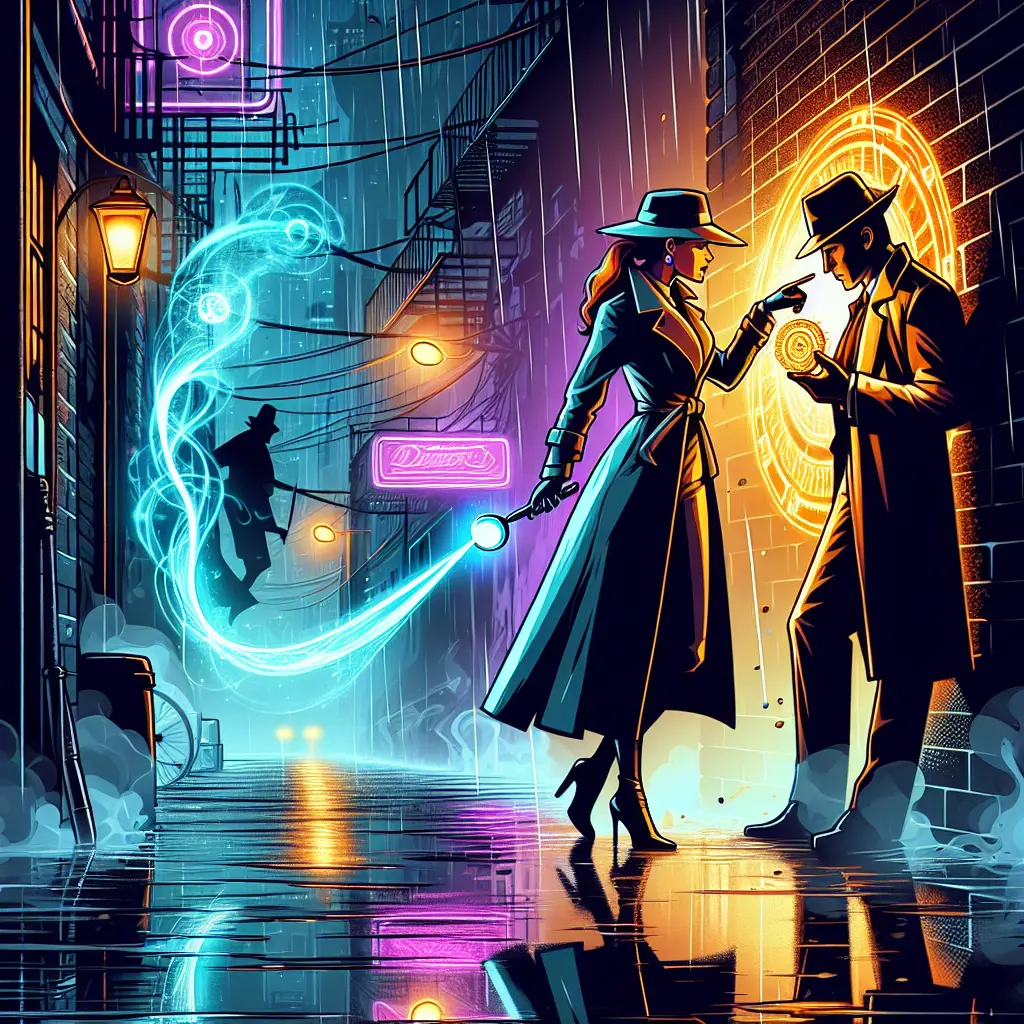
Detective rivalries and nemeses refer to the intense competition or animosity between detectives and their adversaries, often other detectives or cunning criminals. These relationships drive the narrative by creating suspense, personal stakes, and intellectual challenges. Such dynamics push both sides to outwit each other, leading to dramatic confrontations and clever plot twists. The ongoing struggle enhances character development and keeps audiences engaged through unpredictable outcomes and evolving motivations.
Detective Rivalries & Nemeses
Detective rivalries and nemeses refer to the intense competition or animosity between detectives and their adversaries, often other detectives or cunning criminals. These relationships drive the narrative by creating suspense, personal stakes, and intellectual challenges. Such dynamics push both sides to outwit each other, leading to dramatic confrontations and clever plot twists. The ongoing struggle enhances character development and keeps audiences engaged through unpredictable outcomes and evolving motivations.
💡 Key Takeaways
- Understand how detective rivalries heighten suspense, stakes, and character development across franchises and universes.
- Recognize common nemesis archetypes (intellectual equal, brilliant criminal, personal nemesis) and how they push detectives to their limits.
- Compare how rivalries differ across franchises and universes, including setting rules, ethics, and investigative methods.
- Analyze narrative devices used in rivalries (mind games, cat-and-mouse tactics, moral dilemmas) and how they reveal detectives' strengths and flaws.
❓ Frequently Asked Questions
What is a detective rivalry or nemesis?
A dynamic where a detective's intellect, methods, or ethics are challenged by a formidable adversary—often a criminal mastermind or rival detective—creating ongoing tension across stories.
How do rivalries drive detective fiction?
They generate suspense and personal stakes, fuel cat-and-mouse chase sequences, and push characters to innovate tactics and confront moral choices.
What are common types of adversaries in detective rivalries?
Criminal masterminds, rival detectives, corrupt officials, or morally ambiguous opponents who test the detective's wit and resolve.
Can you name some iconic detective rivalries from franchises or universes?
Sherlock Holmes vs. Professor Moriarty (Sherlock Holmes); Batman vs. The Joker (DC Comics); L vs. Light Yagami (Death Note); Harry Bosch vs. The System (Michael Connelly novels).