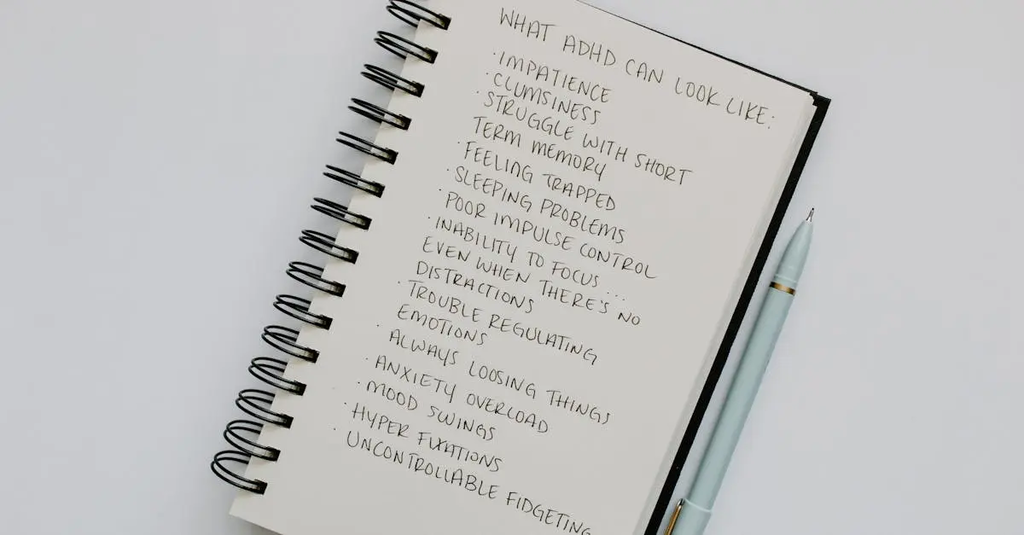
Developmental disorders and learning disabilities refer to a group of conditions that affect a person's ability to learn, communicate, or perform everyday tasks. These may include autism spectrum disorder, attention-deficit/hyperactivity disorder (ADHD), dyslexia, and intellectual disabilities. Such conditions often appear in childhood and can impact academic achievement, social skills, and daily functioning. Early identification and supportive interventions are crucial for helping individuals reach their full potential and participate actively in society.
Developmental Disorders and Learning Disabilities
Developmental disorders and learning disabilities refer to a group of conditions that affect a person's ability to learn, communicate, or perform everyday tasks. These may include autism spectrum disorder, attention-deficit/hyperactivity disorder (ADHD), dyslexia, and intellectual disabilities. Such conditions often appear in childhood and can impact academic achievement, social skills, and daily functioning. Early identification and supportive interventions are crucial for helping individuals reach their full potential and participate actively in society.
💡 Key Takeaways
- Differentiate developmental disorders from learning disabilities and recognize common conditions such as autism spectrum disorder, ADHD, dyslexia, and intellectual disability.
- Identify how these conditions can affect learning, communication, and everyday tasks in school and daily life.
- Learn about signs and the value of early screening, assessment, and diagnosis to access appropriate supports.
- Explore evidence-based strategies and accommodations that support learning, participation, and independence.
❓ Frequently Asked Questions
What is the difference between developmental disorders and learning disabilities?
Developmental disorders affect broad areas of development (communication, social skills, behavior) and may appear in early childhood; learning disabilities are specific problems with academic skills (reading, writing, math) not due to intelligence or sensory issues.
Which conditions are commonly referenced in this topic?
Autism spectrum disorder (ASD), attention-deficit/hyperactivity disorder (ADHD), dyslexia, and intellectual disability.
How are these disorders diagnosed?
Through developmental screenings and comprehensive evaluations by professionals (e.g., pediatricians, psychologists, speech-language pathologists), using observations, histories, and sometimes standardized tests.
How can learning and daily functioning be supported?
Provide individualized plans, accommodations (extra time, clear instructions), evidence-based interventions, assistive tools, and collaboration among teachers, clinicians, and families.