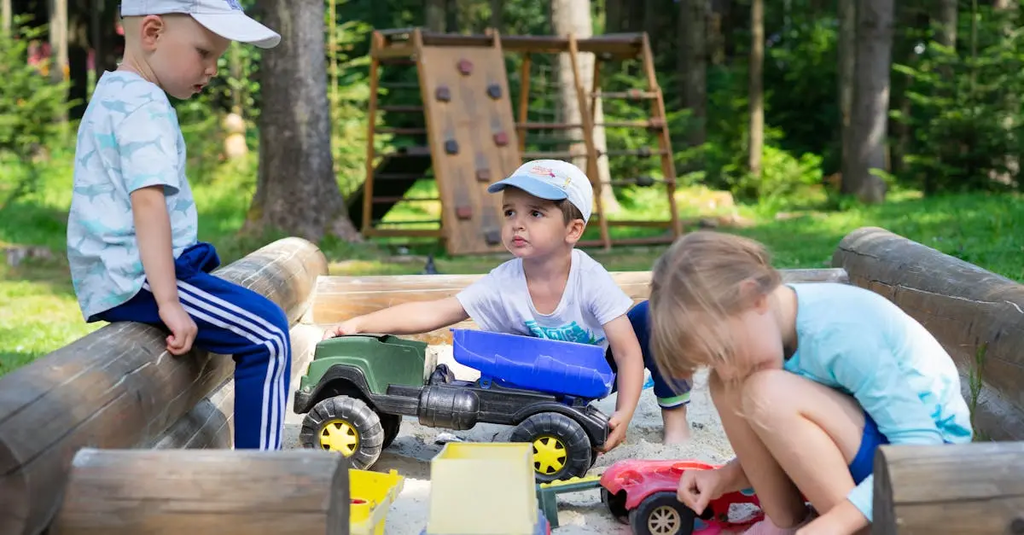
Developmental domains in child growth and development (0–10 years) encompass four key areas: physical (bodily growth, motor skills), cognitive (thinking, learning, problem-solving), language (understanding and using communication), and social-emotional (forming relationships, self-awareness, managing emotions). Each domain interacts with the others, shaping a child’s overall development. Monitoring these domains helps identify strengths and needs, guiding support for healthy, balanced growth throughout childhood.
Developmental domains overview: physical, cognitive, language, social-emotional+50
Developmental domains in child growth and development (0–10 years) encompass four key areas: physical (bodily growth, motor skills), cognitive (thinking, learning, problem-solving), language (understanding and using communication), and social-emotional (forming relationships, self-awareness, managing emotions). Each domain interacts with the others, shaping a child’s overall development. Monitoring these domains helps identify strengths and needs, guiding support for healthy, balanced growth throughout childhood.
💡 Key Takeaways
- Explain the four developmental domains: physical, cognitive, language, and social-emotional.
- Describe typical milestones and skills found in each domain.
- Explain how domains influence each other and contribute to overall development.
- Identify signs of typical versus atypical development and when to seek guidance.
- Suggest practical activities to support development across all domains.
❓ Frequently Asked Questions
What are the developmental domains covered in this overview?
The four domains are physical, cognitive, language, and social‑emotional development.
What is physical development?
Physical development refers to growth of the body and motor skills, from gross movements (crawling, walking) to fine skills (grasping, drawing).
What is cognitive development?
Cognitive development covers changes in thinking, memory, problem‑solving, attention, and how children learn and understand the world.
What is language development?
Language development involves learning to understand (receptive) and use (expressive) words and sentences, including vocabulary, grammar, and communication.
How do these domains influence each other?
The domains are interconnected: physical skills enable exploration and learning, language supports thinking and social interaction, and social‑emotional skills help motivation and self‑regulation in learning.