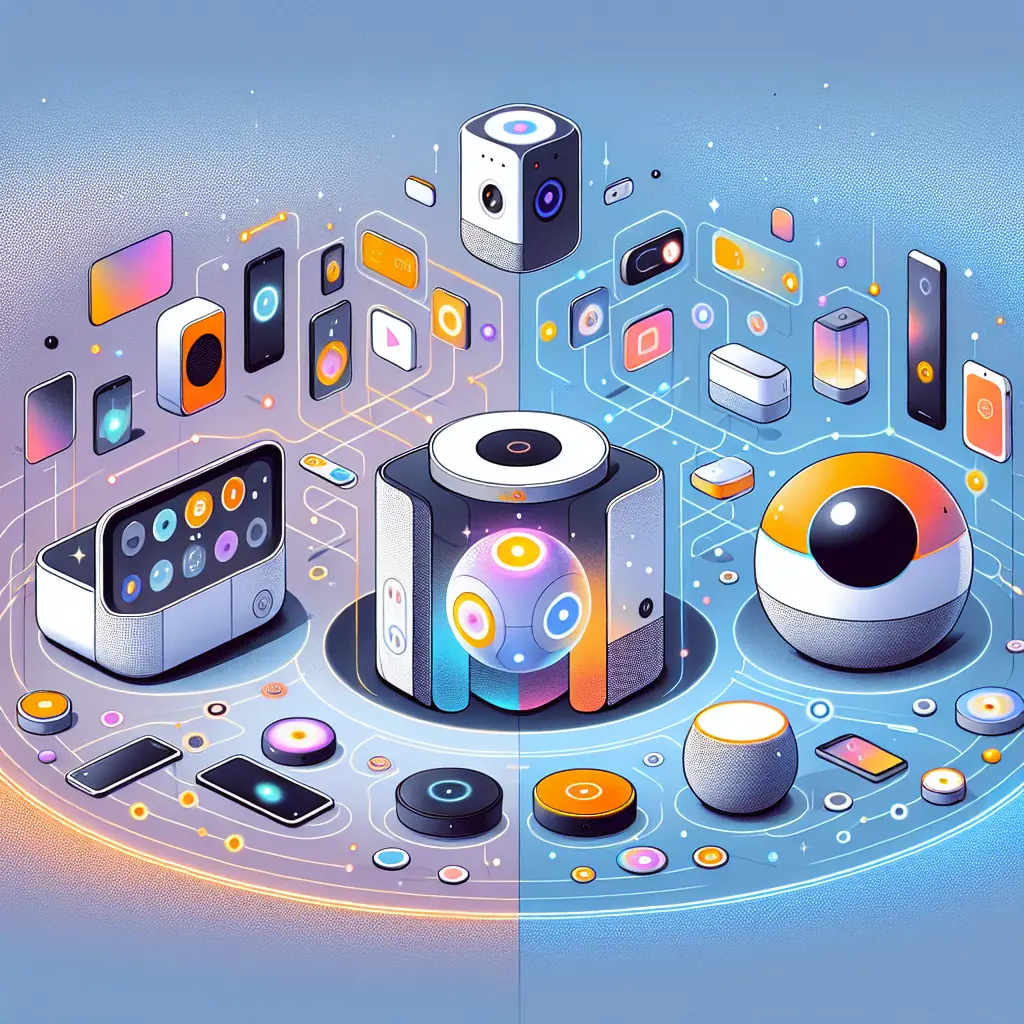
Device ecosystems refer to interconnected products and services offered by companies like Apple, Google, and Amazon. Each creates a seamless user experience by integrating hardware, software, and cloud services. For instance, Apple’s ecosystem connects iPhones, Macs, and iPads; Google links Android devices, Chromebooks, and Nest; Amazon ties together Alexa, Fire devices, and smart home products. These ecosystems encourage brand loyalty and simplify daily tasks for users.
Device Ecosystems: Apple, Google, Amazon
Device ecosystems refer to interconnected products and services offered by companies like Apple, Google, and Amazon. Each creates a seamless user experience by integrating hardware, software, and cloud services. For instance, Apple’s ecosystem connects iPhones, Macs, and iPads; Google links Android devices, Chromebooks, and Nest; Amazon ties together Alexa, Fire devices, and smart home products. These ecosystems encourage brand loyalty and simplify daily tasks for users.
💡 Key Takeaways
- Understand what a device ecosystem is and how hardware, software, and cloud services work together to create a seamless user experience.
- Learn how Apple, Google, and Amazon build interoperable experiences across phones, tablets, smart speakers, and other devices.
- Identify key cross-device features to look for, such as continuity/sync, casting, and voice control.
- Consider privacy and security implications when using interconnected devices across ecosystems.
❓ Frequently Asked Questions
What is a device ecosystem?
A network of hardware, software, and cloud services from a company that lets its products work together for a seamless user experience.
Which companies are highlighted in this article?
Apple, Google, and Amazon.
How do these ecosystems connect devices across hardware and software?
They use a single account, cloud syncing, and features like cross-device continuity and voice assistants to link phones, tablets, speakers, and other devices.
What is a key benefit of a strong device ecosystem?
Consistent control and data across devices, simpler setup, and automatic syncing of apps, content, and settings.