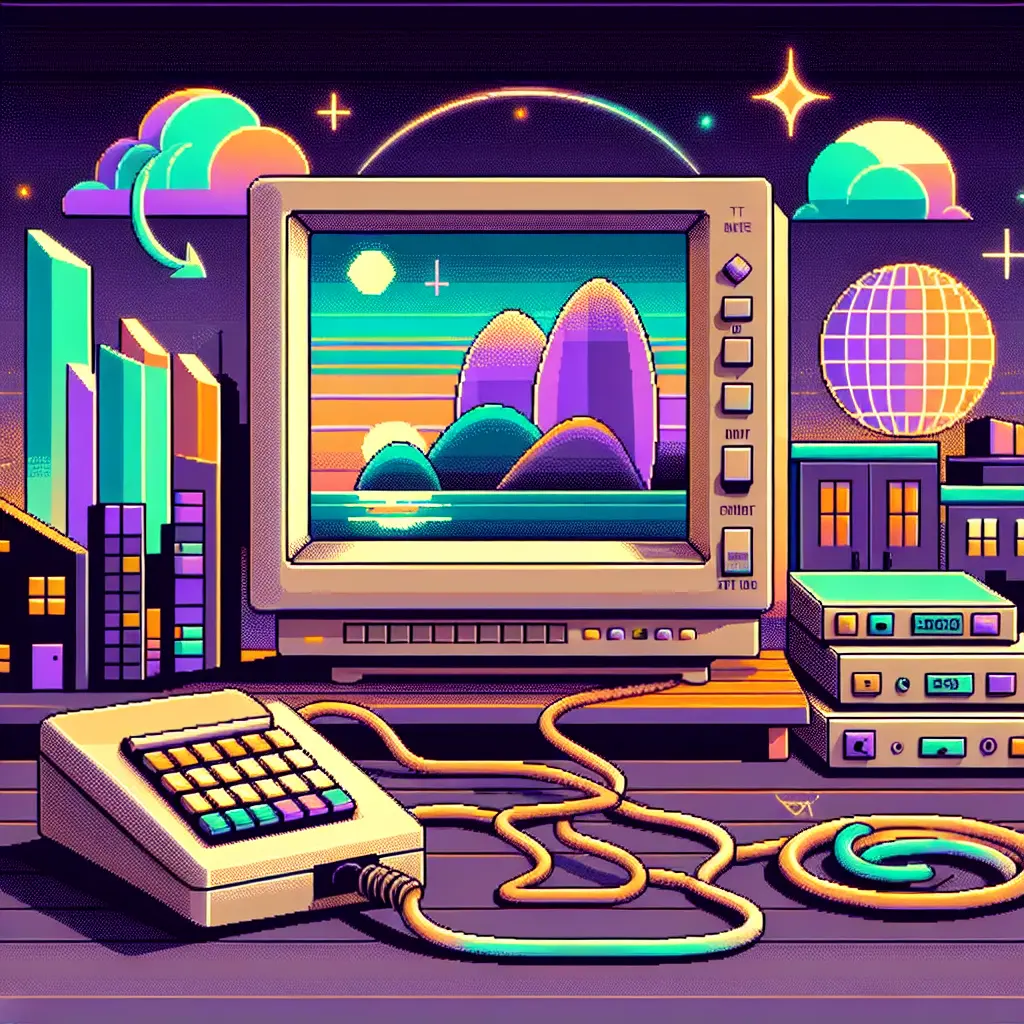
Dial-Up Culture refers to the early days of the internet in the 1990s, when users connected to the web using noisy modems and slow phone lines. Browsing was done through early web browsers like Netscape Navigator, which made the internet accessible to the public. Websites were often hosted on platforms like GeoCities, where individuals built personal, quirky homepages, shaping a unique, grassroots digital community marked by creativity and experimentation.
Dial-Up Culture: Modems, Netscape, GeoCities
Dial-Up Culture refers to the early days of the internet in the 1990s, when users connected to the web using noisy modems and slow phone lines. Browsing was done through early web browsers like Netscape Navigator, which made the internet accessible to the public. Websites were often hosted on platforms like GeoCities, where individuals built personal, quirky homepages, shaping a unique, grassroots digital community marked by creativity and experimentation.
💡 Key Takeaways
- Dial-up connections used old telephone lines and modems, making the internet noticeably slower and producing distinctive handshake noises.
- Netscape Navigator helped popularize web browsing for the masses and introduced early features that defined the public web.
- GeoCities and similar hosting platforms empowered users to publish personal homepages, shaping the look and feel of 90s/2000s sites with simple HTML and playful design.
- The era fostered a unique online culture with early communities, banner ads, chat rooms, and services like AOL that built the public internet.
❓ Frequently Asked Questions
What is dial-up internet and how did it work?
Dial-up used a modem connected to a phone line to dial an ISP's number. The modem and the phone system established a connection, and data moved over the line as signals. The line was tied up during the session, and you could hear the handshake tones and screeching. Typical speeds ranged from about 14.4 kbps to 56 kbps, depending on hardware and line quality.
What was Netscape Navigator, and why was it important?
Netscape Navigator was one of the first widely used graphical web browsers (launched in 1994). It made the Web accessible to the public with images and a graphical interface and helped popularize online content during the early browser era.
What was GeoCities and how did people use it?
GeoCities was a free web hosting service (mid-1990s) that let users create personal pages organized into 'cities' or neighborhoods. Pages were typically simple HTML, often with colorful graphics and guestbooks, reflecting the era's DIY web culture.
Why did dial-up feel so slow compared to today?
Speeds were limited and connections were bottlenecked by phone line bandwidth, so images, scripts, and pages loaded slowly. Many sites used basic HTML and small graphics, and browsers relied on simple, text-first layouts.