Diaspora communities are groups of people who have migrated from their homelands and settled in new countries, often maintaining strong cultural ties to their origins. Transnational festivities refer to celebrations that these communities organize, blending traditions from their homeland with influences from their new environment. Such events foster cultural identity, community cohesion, and cross-cultural understanding, allowing diaspora members to preserve heritage while adapting to their host society.
Diaspora Communities & Transnational Festivities
Diaspora communities are groups of people who have migrated from their homelands and settled in new countries, often maintaining strong cultural ties to their origins. Transnational festivities refer to celebrations that these communities organize, blending traditions from their homeland with influences from their new environment. Such events foster cultural identity, community cohesion, and cross-cultural understanding, allowing diaspora members to preserve heritage while adapting to their host society.
💡 Key Takeaways
- Define diaspora communities and how they maintain ties to their homelands.
- Describe how transnational festivities blend homeland traditions with host-country influences.
- Identify common elements of diaspora celebrations such as food, music, rituals, and storytelling.
- Explain the social and cultural roles of these festivities in sustaining identity and community across borders.
❓ Frequently Asked Questions
What is a diaspora community?
A diaspora community consists of people who have migrated from their homeland but continue to maintain cultural, linguistic, or familial ties to that origin.
What are transnational festivities?
Transnational festivities are celebrations organized by diaspora communities that blend traditions from their homeland with influences from the host country, often spanning across borders.
Why do diaspora communities celebrate festivals abroad?
Festivals help preserve identity, strengthen social networks, pass traditions to younger generations, and celebrate shared history while inviting participation from the wider local community.
How do these festivals blend homeland and host-country elements?
They mix homeland foods, music, dress, rituals, and language with local partners, venues, and customs, adapting to local regulations, spaces, and calendars.
What are common features you might see at transnational festivities?
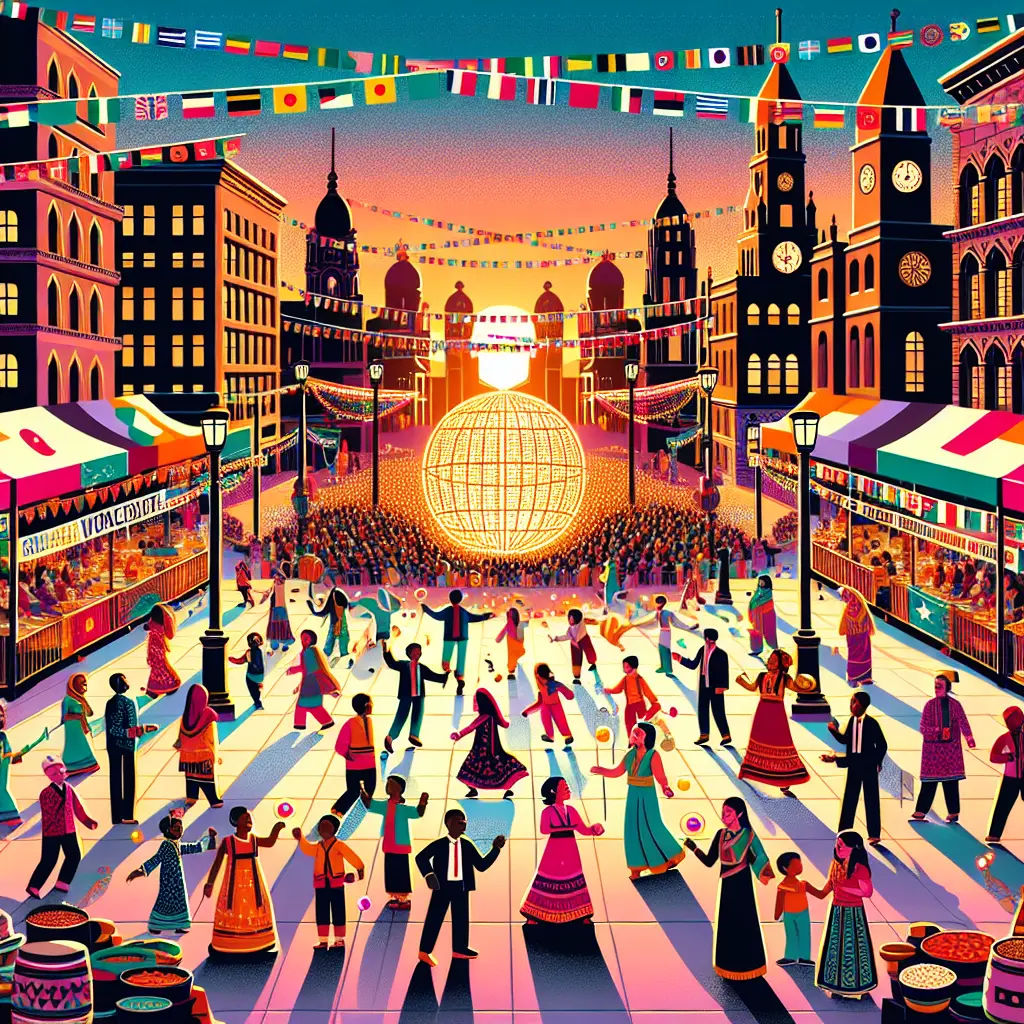
Traditional costumes, homeland music and dance, ethnic foods, religious or cultural ceremonies, crafts, parades or performances, and community storytelling or media coverage.