Diet plays a crucial role in the development and management of nonalcoholic fatty liver disease (NAFLD). Consuming high amounts of processed foods, sugars, and unhealthy fats increases the risk of fat accumulation in the liver. Conversely, a balanced diet rich in fruits, vegetables, whole grains, lean proteins, and healthy fats can help reduce liver fat, improve liver function, and prevent disease progression. Lifestyle changes, particularly dietary modifications, are key in managing NAFLD.
Diet & Nonalcoholic Fatty Liver Disease
Diet plays a crucial role in the development and management of nonalcoholic fatty liver disease (NAFLD). Consuming high amounts of processed foods, sugars, and unhealthy fats increases the risk of fat accumulation in the liver. Conversely, a balanced diet rich in fruits, vegetables, whole grains, lean proteins, and healthy fats can help reduce liver fat, improve liver function, and prevent disease progression. Lifestyle changes, particularly dietary modifications, are key in managing NAFLD.
💡 Key Takeaways
- Understand how diet influences NAFLD risk by affecting liver fat accumulation.
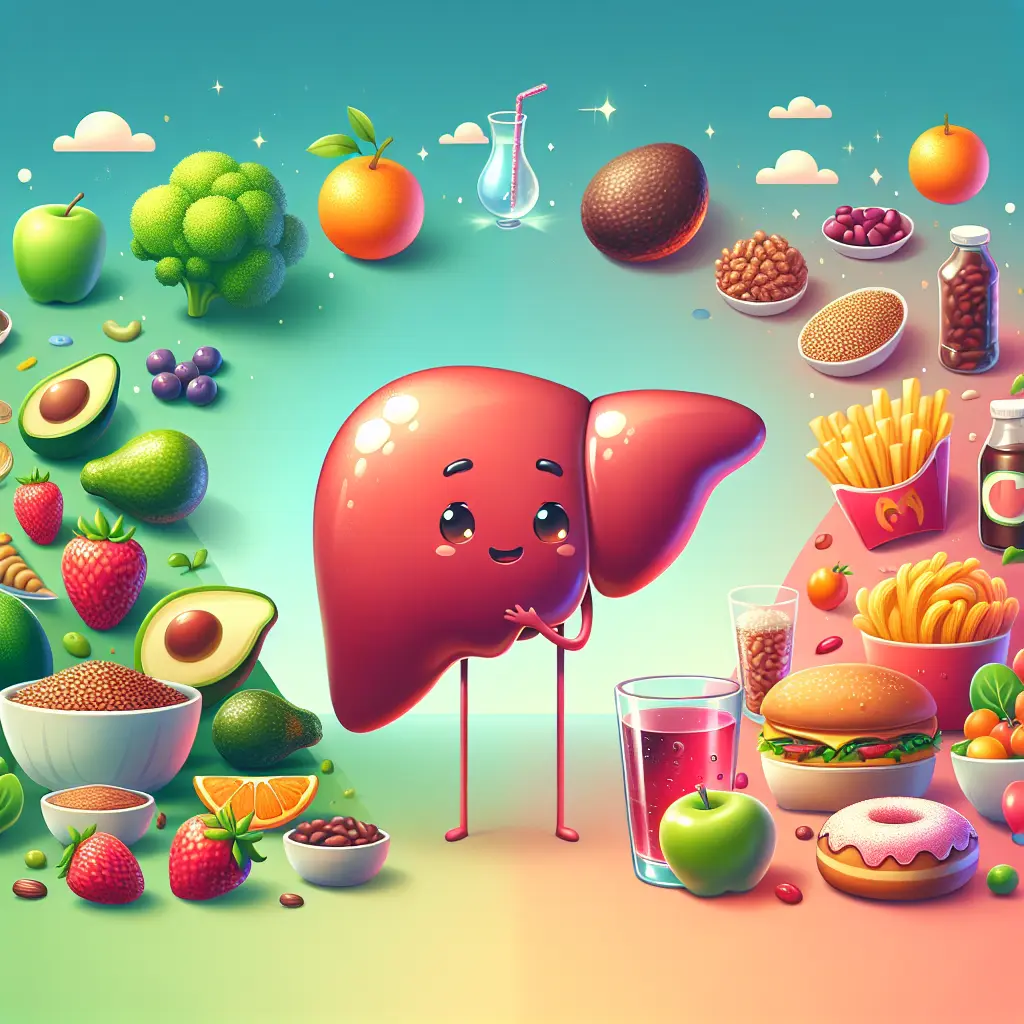
- Identify foods and nutrients that worsen NAFLD, such as processed foods, added sugars, and unhealthy fats.
- Explore a liver-friendly dietary pattern rich in fruits, vegetables, whole grains, and lean proteins to support NAFLD management.
- Learn practical strategies to apply the diet: limit added sugars, choose healthy fats, increase fiber, and watch portion sizes.
❓ Frequently Asked Questions
What is NAFLD and how does diet influence it?
NAFLD is nonalcoholic fatty liver disease, a buildup of fat in the liver not caused by alcohol. Diet matters: high intakes of processed foods, added sugars (especially fructose), and unhealthy fats can raise liver fat, while a balanced diet can help manage it.
What dietary pattern is recommended for NAFLD?
A Mediterranean-style pattern—rich in fruits, vegetables, whole grains, legumes, nuts, olive oil, and fatty fish—with limited processed foods and added sugars is associated with improved liver fat and overall health.
Which foods should be limited to help manage NAFLD?
Limit sugar-sweetened beverages and sweets, refined grains, fried foods, processed meats, and foods high in saturated fats or trans fats.
Does weight loss help NAFLD, and how much is beneficial?
Yes. Losing about 5–10% of body weight through a healthy diet and physical activity can reduce liver fat and inflammation.