Dietary patterns refer to the types and combinations of foods regularly consumed, which significantly influence the composition and function of the gut microbiome. Different diets, such as high-fiber, plant-based, or high-fat diets, can promote or inhibit the growth of specific microbial communities. Modulating the microbiome through tailored dietary patterns can impact digestion, immune function, and overall health, highlighting the importance of nutrition in maintaining a balanced microbial ecosystem.
Dietary Patterns & Microbiome Modulation
Dietary patterns refer to the types and combinations of foods regularly consumed, which significantly influence the composition and function of the gut microbiome. Different diets, such as high-fiber, plant-based, or high-fat diets, can promote or inhibit the growth of specific microbial communities. Modulating the microbiome through tailored dietary patterns can impact digestion, immune function, and overall health, highlighting the importance of nutrition in maintaining a balanced microbial ecosystem.
💡 Key Takeaways
- Explain how dietary patterns influence gut microbiome composition and function.
- Describe how high-fiber and plant-based diets promote beneficial microbial communities and their health-related metabolites.
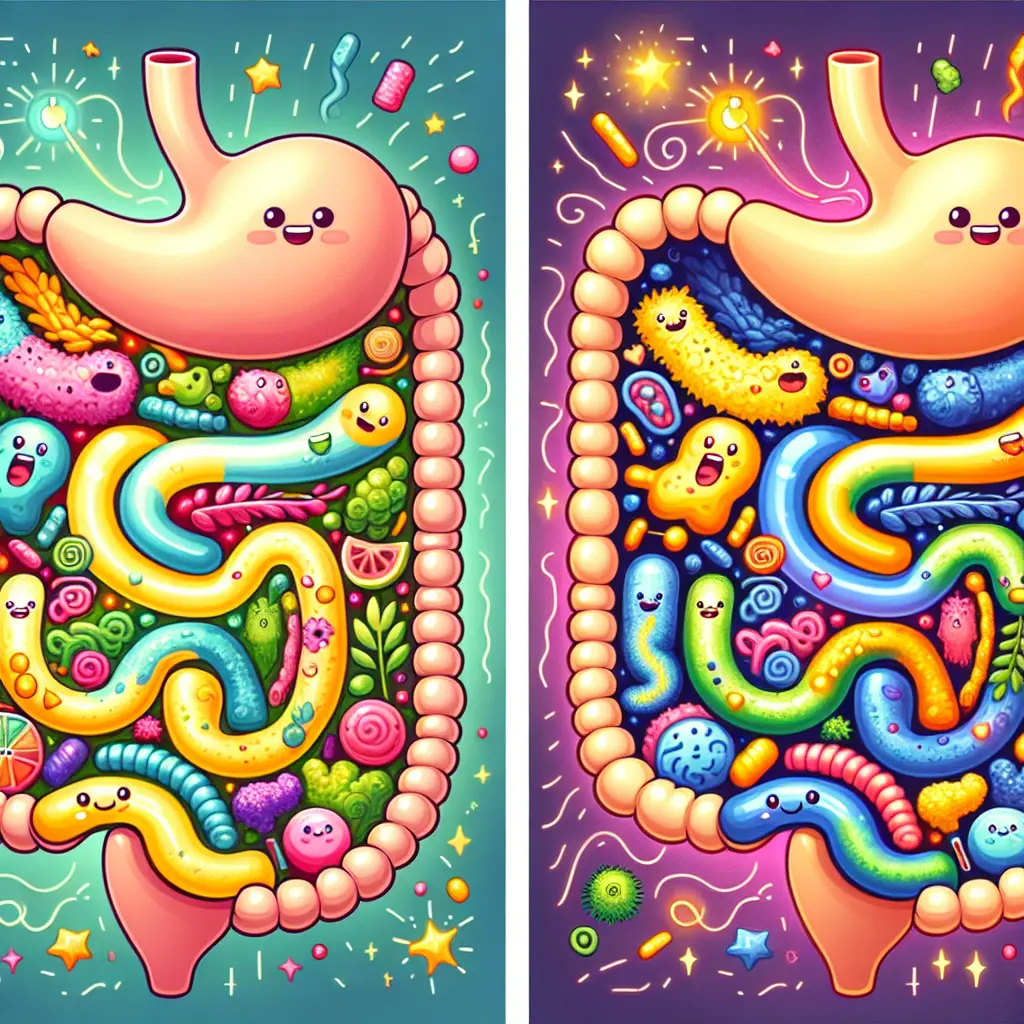
- Explain how high-fat or Western-style diets can alter microbial diversity and function and impact health.
- Identify practical, everyday dietary choices that can modulate the microbiome.
❓ Frequently Asked Questions
What is the gut microbiome and why is it important?
The gut microbiome is the community of trillions of microbes living in the digestive tract that aid digestion, support immunity, and influence metabolism. Diet is a major driver of its composition and activity.
How do dietary patterns affect the gut microbiome?
Diet provides nutrients that feed specific microbes. Regular patterns (fiber-rich, plant-based, or high-fat) can promote certain microbial groups and inhibit others, shifting overall microbiome balance.
What effects do high-fiber or plant-based diets have on the microbiome?
High-fiber and plant-based diets increase fiber‑fermenting bacteria that produce short-chain fatty acids (SCFAs), supporting gut health and inflammation control.
Can high-fat diets influence the microbiome, and how can balance be maintained?
Yes. High-fat diets can shift toward fat-tolerant microbes. Balancing fat intake with plenty of fiber-rich foods and dietary variety helps maintain a healthier gut microbial community.