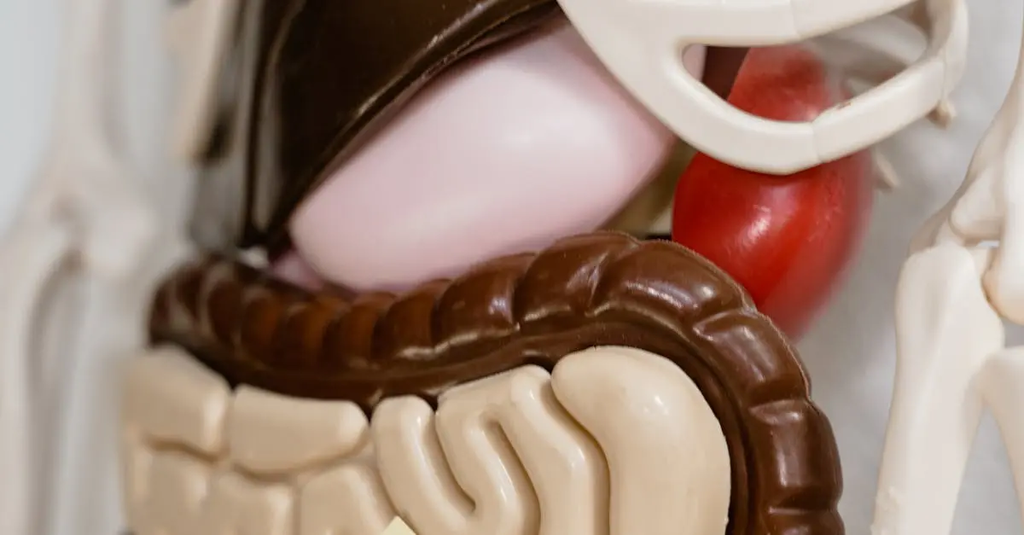
Digestive health and nutrition refer to how the human body breaks down food, absorbs nutrients, and eliminates waste. The digestive system includes organs like the mouth, stomach, intestines, and liver, which work together to process what we eat. Proper nutrition ensures the body receives essential vitamins, minerals, and energy needed for growth, repair, and overall function. Maintaining digestive health supports immunity, energy levels, and overall well-being.
Digestive Health and Nutrition
Digestive health and nutrition refer to how the human body breaks down food, absorbs nutrients, and eliminates waste. The digestive system includes organs like the mouth, stomach, intestines, and liver, which work together to process what we eat. Proper nutrition ensures the body receives essential vitamins, minerals, and energy needed for growth, repair, and overall function. Maintaining digestive health supports immunity, energy levels, and overall well-being.

💡 Key Takeaways
- Understand how dietary fiber, fluids, and fats influence digestion and bowel regularity.
- Learn how the stomach, small intestine, and colon work together to digest and absorb nutrients.
- Identify foods and eating habits that support digestive health, including probiotics and prebiotics.
- Discover practical strategies to reduce common digestive discomfort (bloating, gas, reflux) through nutrition and meal timing.
❓ Frequently Asked Questions
What does digestive health mean in nutrition?
Digestive health refers to how well your gut processes food, absorbs nutrients, and eliminates waste, supported by a balanced diet, adequate hydration, and fiber-rich foods.
Why is dietary fiber important for digestion?
Fiber adds bulk to stool, promotes regularity, and feeds beneficial gut bacteria; include both soluble and insoluble fiber from fruits, vegetables, whole grains, and legumes.
Do probiotics improve digestion?
Probiotics are live bacteria that may help balance gut flora and ease some digestive symptoms; effects depend on the strain and person, not a universal cure.
How does hydration affect digestion?
Adequate fluids help break down foods and soften stools, supporting smooth digestion and regular bowel movements.