The digestive system is a group of organs that breaks down food into nutrients the body can use for energy, growth, and repair. It starts at the mouth, where food is chewed and mixed with saliva, then moves through the esophagus to the stomach, where it is further digested. Nutrients are absorbed in the small intestine, while waste passes into the large intestine and is eventually eliminated from the body.
Digestive System Basics+50
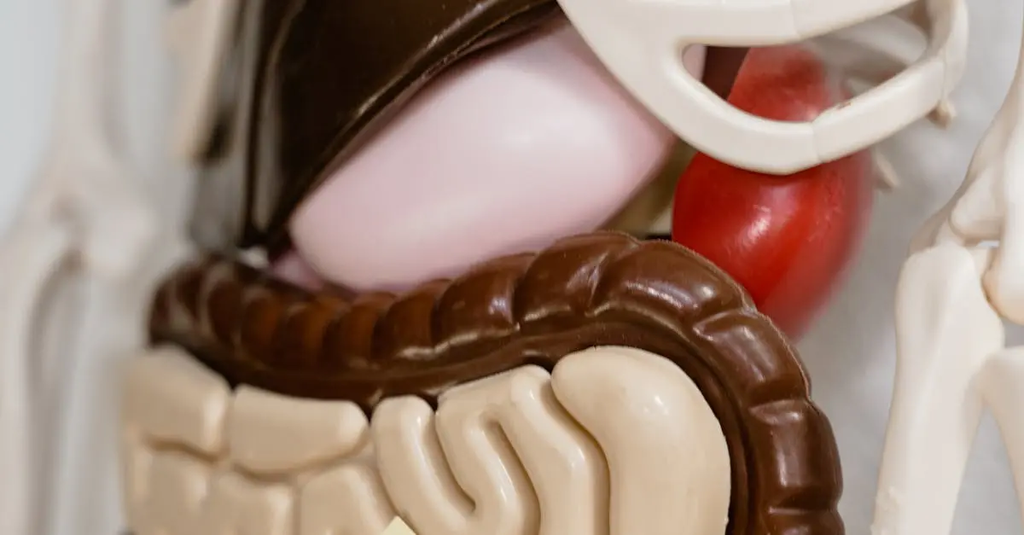
The digestive system is a group of organs that breaks down food into nutrients the body can use for energy, growth, and repair. It starts at the mouth, where food is chewed and mixed with saliva, then moves through the esophagus to the stomach, where it is further digested. Nutrients are absorbed in the small intestine, while waste passes into the large intestine and is eventually eliminated from the body.
💡 Key Takeaways
- Identify the main digestive organs and their basic roles.
- Describe digestion from mouth to small intestine and where nutrients are absorbed.
- Explain how key enzymes (amylase, protease, lipase) break down carbohydrates, proteins, and fats.
- Share simple tips to support digestive health with fiber, hydration, and balanced meals.
❓ Frequently Asked Questions
What is the main purpose of the digestive system?
To break down food into usable nutrients and eliminate waste, using both mechanical (chewing, churning) and chemical (enzymes, acids) processes.
Which organ produces bile that helps digest fats?
The liver makes bile; bile is stored in the gallbladder and released into the small intestine as needed.
Where does most nutrient absorption occur?
In the small intestine (duodenum and jejunum), aided by villi and microvilli.
What enzymes does the pancreas produce to help digest carbohydrates, proteins, and fats?
Pancreatic amylase (carbohydrates), proteases such as trypsin (proteins), and lipase (fats).
What is peristalsis?
The wave-like muscle contractions that move food through the digestive tract.