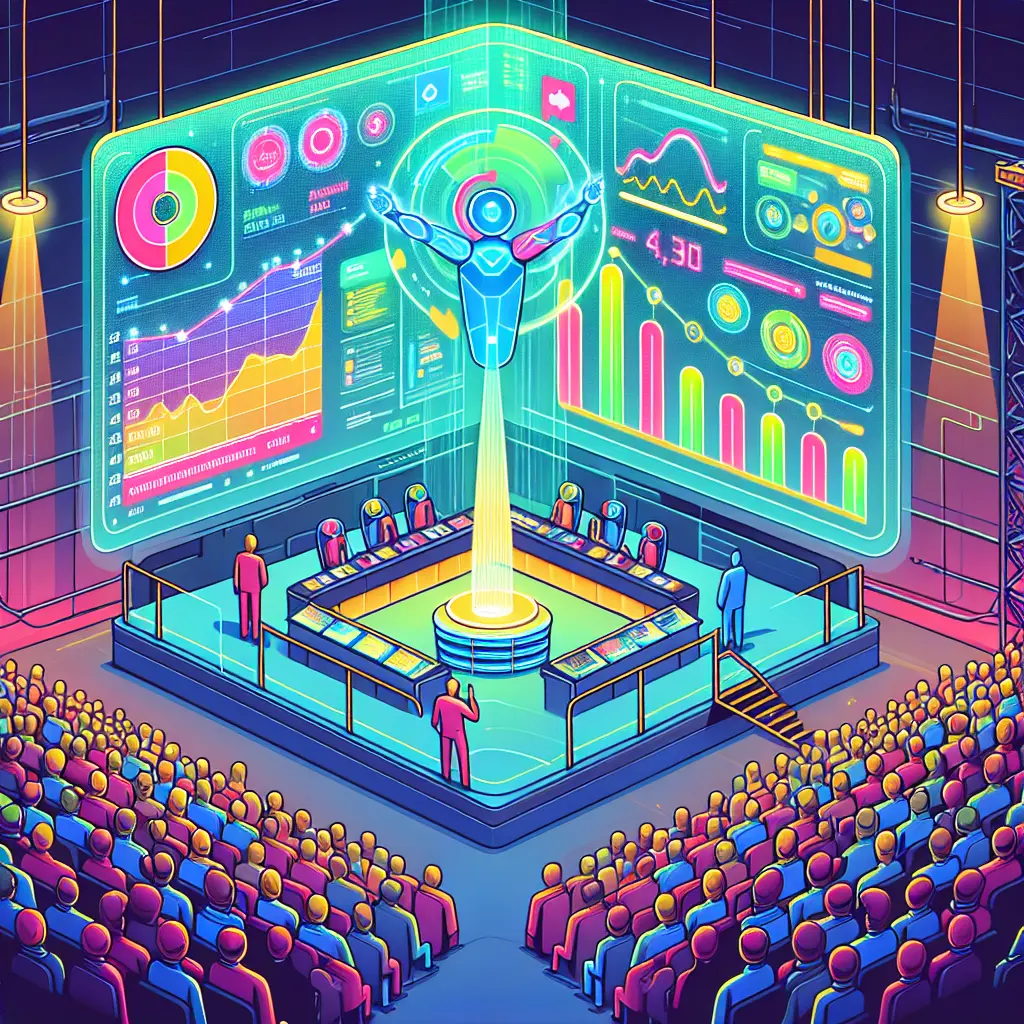
Digital and virtual festivals are online events that bring people together through digital platforms, allowing participants to experience music, art, film, or cultural celebrations remotely. These festivals use live streams, interactive sessions, and social media to recreate communal experiences without physical presence. They offer global accessibility, diverse programming, and innovative engagement methods, making cultural and entertainment events available to wider audiences regardless of location or travel restrictions.
Digital and Virtual Festivals
Digital and virtual festivals are online events that bring people together through digital platforms, allowing participants to experience music, art, film, or cultural celebrations remotely. These festivals use live streams, interactive sessions, and social media to recreate communal experiences without physical presence. They offer global accessibility, diverse programming, and innovative engagement methods, making cultural and entertainment events available to wider audiences regardless of location or travel restrictions.

💡 Key Takeaways
- Understand how online platforms connect global audiences through digital and virtual festivals.
- Identify common formats used in these events, such as live streams, pre-recorded performances, and interactive sessions.
- Explain how social features like chat, polls, and virtual interactions recreate a sense of community.
- Evaluate the benefits and challenges of digital festivals, including accessibility, scheduling across time zones, engagement, and sustainability.
❓ Frequently Asked Questions
What are digital and virtual festivals?
Digital and virtual festivals are online events that bring people together through the internet to experience music, art, film, or cultural celebrations remotely, using live streams, interactive activities, and social features.
How do these festivals recreate a sense of community?
They use live video streams, real-time chat, Q&As, virtual stages, and interactive workshops so attendees can participate, share reactions, and connect with others online.
What formats and platforms are commonly used?
Formats include live or on-demand video streams, virtual stages, polls, and workshops, often hosted on festival websites, apps, or social platforms with chat or VR spaces.
What are typical benefits and drawbacks?
Benefits include accessibility, global participation, and lower costs; drawbacks include time-zone challenges, potential screen fatigue, technical glitches, and a less physical, immersive atmosphere.