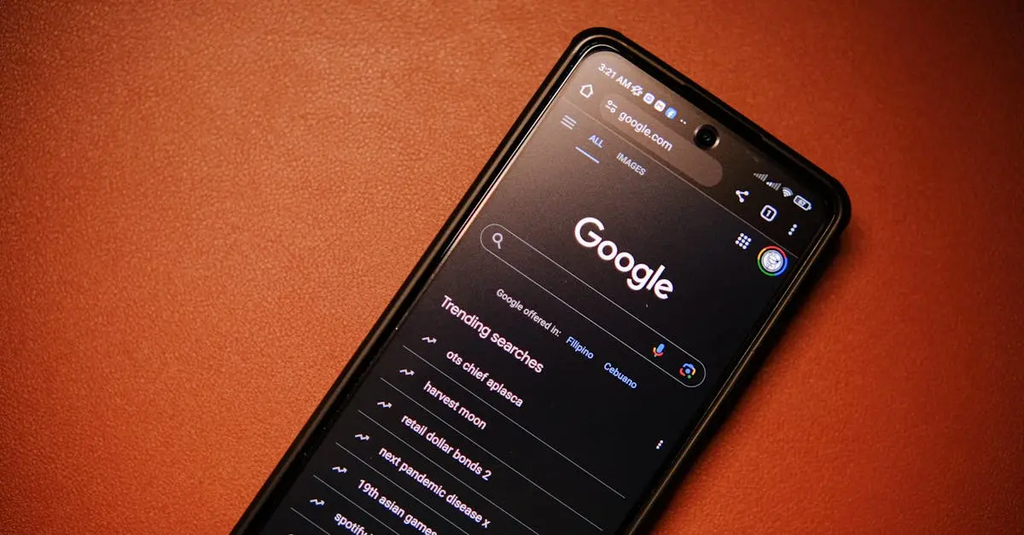
Digital communication refers to the electronic transmission of information between devices or individuals using digital signals. It encompasses various forms such as emails, text messages, social media, and video calls, allowing for rapid and efficient exchange of data. By converting information into binary code, digital communication enhances clarity, reduces errors, and enables global connectivity, making it an essential tool in modern personal, educational, and professional interactions.
Digital Communication+50
Digital communication refers to the electronic transmission of information between devices or individuals using digital signals. It encompasses various forms such as emails, text messages, social media, and video calls, allowing for rapid and efficient exchange of data. By converting information into binary code, digital communication enhances clarity, reduces errors, and enables global connectivity, making it an essential tool in modern personal, educational, and professional interactions.
💡 Key Takeaways
- Define digital communication and how it enables fast, electronic information exchange between devices and people.
- Identify common channels (email, text, social media, video calls) and when to use each.
- Explain how information is converted into digital signals, including encoding, transmission, and decoding.
- Assess the benefits and challenges of digital communication (speed and reach vs privacy and misinterpretation) and apply best practices for clear, respectful messaging.
❓ Frequently Asked Questions
What is digital communication?
The electronic transmission of information between devices or people using digital signals, typically by converting data into binary form for sending and receiving.
What forms are included in digital communication?
Emails, text messages, social media, video calls, and other online channels.
What are the main benefits of digital communication?
Fast, broad reach, convenient, and enables easy storage, search, and real-time collaboration.
What are common challenges of digital communication?
Privacy and security concerns, information overload, potential for miscommunication, and dependence on devices and networks.