Digital forensics basics involve the identification, preservation, analysis, and presentation of digital evidence from electronic devices. This field focuses on uncovering and interpreting data from computers, mobile devices, and networks to investigate cybercrimes or security incidents. Key principles include maintaining evidence integrity, following legal protocols, and using specialized tools to recover deleted or hidden information. Digital forensics is crucial for law enforcement, cybersecurity, and legal proceedings.
Digital Forensics Basics
Digital forensics basics involve the identification, preservation, analysis, and presentation of digital evidence from electronic devices. This field focuses on uncovering and interpreting data from computers, mobile devices, and networks to investigate cybercrimes or security incidents. Key principles include maintaining evidence integrity, following legal protocols, and using specialized tools to recover deleted or hidden information. Digital forensics is crucial for law enforcement, cybersecurity, and legal proceedings.
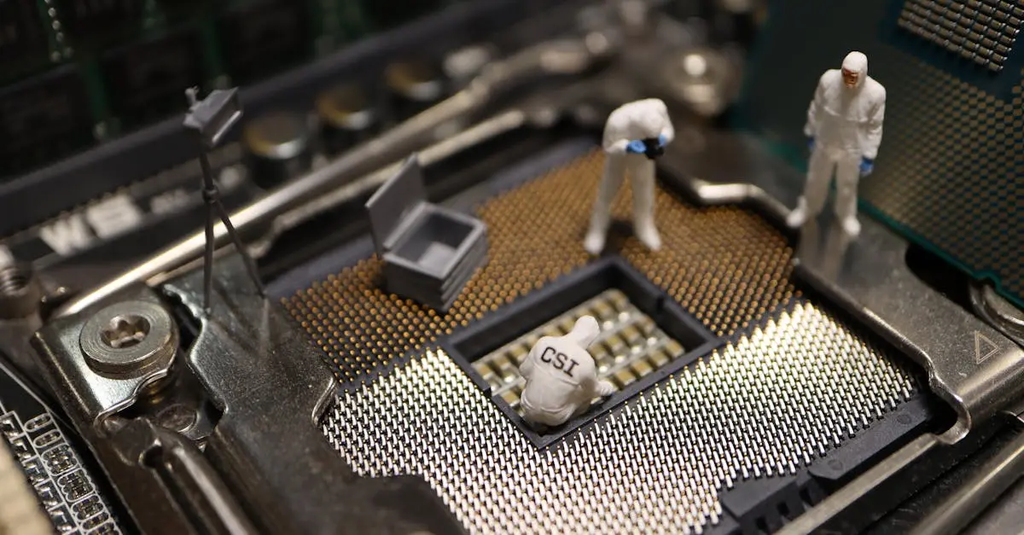
💡 Key Takeaways
- Identify the core stages of digital forensics: identification, preservation, analysis, and presentation of digital evidence.
- Recognize sources of digital evidence from computers, mobile devices, and networks.
- Understand the basics of chain of custody and ethical/legal considerations when handling digital evidence.
- Get a high-level overview of common forensic techniques used to recover data and interpret events.
❓ Frequently Asked Questions
What is digital forensics?
Digital forensics is the process of identifying, preserving, analyzing, and presenting digital evidence from electronic devices to help investigate cybercrimes and security incidents.
What are the main stages of a digital forensics investigation?
Identify potential sources, preserve and collect data with integrity, analyze the data to extract useful information, and present findings in a clear, defensible report.
What is chain of custody and why is it important?
A documented trail of who handled the evidence, when, and how it was stored or transferred. It ensures the evidence's integrity and admissibility in investigations or court.
What kinds of devices and data can digital forensics examine?
Computers, mobile devices, networks, servers, storage media, cloud services, and IoT to uncover user activity, files, artifacts, and system logs.