Digital Twins and Sensor Strategy for Buildings refers to the integration of virtual replicas (digital twins) of physical structures with a network of sensors throughout a construction design project. This approach enables real-time monitoring, analysis, and optimization of building performance, safety, and maintenance. By collecting and analyzing data from sensors, stakeholders can make informed decisions, predict issues, and enhance operational efficiency, ultimately supporting smarter, more sustainable building management throughout the project lifecycle.
Digital Twins and Sensor Strategy for Buildings
Digital Twins and Sensor Strategy for Buildings refers to the integration of virtual replicas (digital twins) of physical structures with a network of sensors throughout a construction design project. This approach enables real-time monitoring, analysis, and optimization of building performance, safety, and maintenance. By collecting and analyzing data from sensors, stakeholders can make informed decisions, predict issues, and enhance operational efficiency, ultimately supporting smarter, more sustainable building management throughout the project lifecycle.
💡 Key Takeaways
- Define what a building digital twin is and the core value it offers for operations, energy use, and occupant comfort
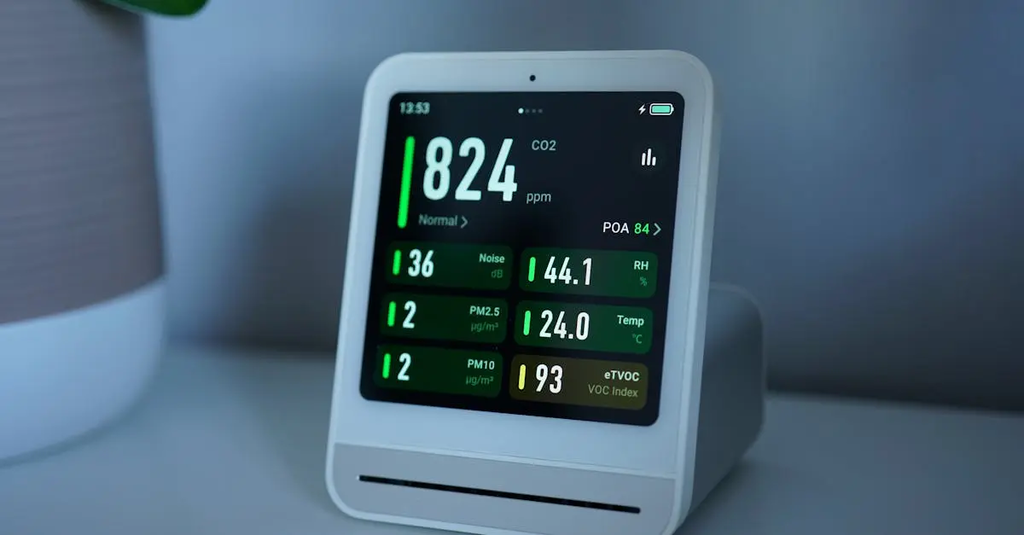
- Identify essential sensors and data streams for building digital twins (temperature, humidity, occupancy, lighting, energy meters, air quality) and their roles
- Explain how real-time data and simulations support monitoring, optimization, and predictive maintenance in buildings
- Outline best practices for a sensor strategy, including placement, data quality, interoperability, and cybersecurity considerations
❓ Frequently Asked Questions
What is a digital twin in buildings?
A dynamic virtual replica of a building that streams real-time sensor data and model information to simulate performance and support decisions.
What is a sensor strategy for buildings?
A plan for selecting, placing, and managing sensors (e.g., temperature, occupancy, energy meters, air quality) to collect data for monitoring and optimization.
How do digital twins improve energy efficiency and operations?
They enable real-time monitoring, scenario simulations, fault detection, and optimization of HVAC, lighting, and equipment to reduce energy use and improve comfort.
What data sources and standards are commonly used in building digital twins?
Data from BMS and IoT sensors, weather and occupancy data, and BIM/IFC models; standards include OPC UA and IFC for interoperability.