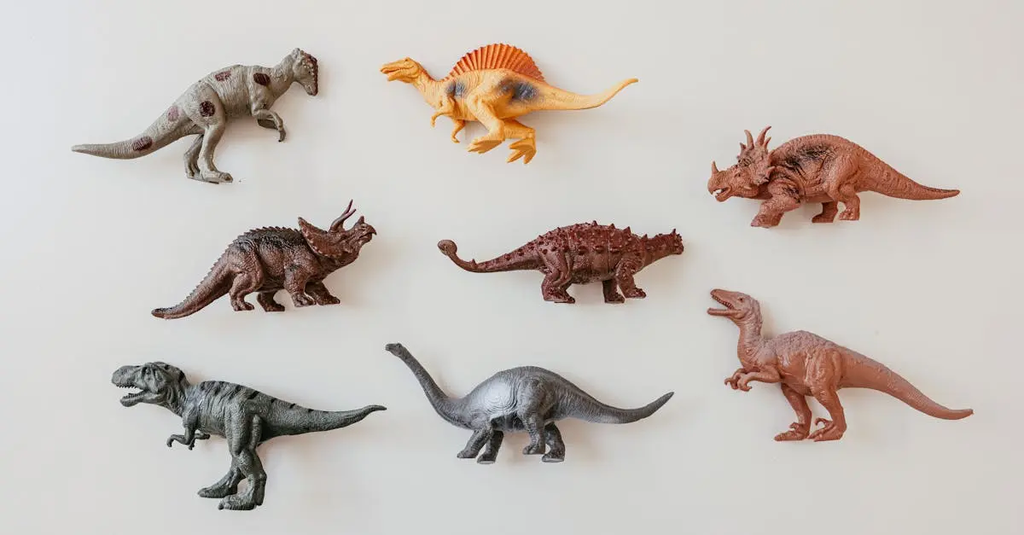
Dinosaurs and prehistoric life refer to the diverse organisms that existed millions of years ago, long before humans appeared. Dinosaurs were dominant reptiles during the Mesozoic Era, showcasing a wide range of sizes and adaptations. Prehistoric life also includes ancient plants, marine creatures, and early mammals that shaped Earth’s evolutionary history. Fossils and scientific discoveries help us understand their biology, behavior, and the environments in which they lived.
Dinosaurs and Prehistoric Life
Dinosaurs and prehistoric life refer to the diverse organisms that existed millions of years ago, long before humans appeared. Dinosaurs were dominant reptiles during the Mesozoic Era, showcasing a wide range of sizes and adaptations. Prehistoric life also includes ancient plants, marine creatures, and early mammals that shaped Earth’s evolutionary history. Fossils and scientific discoveries help us understand their biology, behavior, and the environments in which they lived.
💡 Key Takeaways
- Dinosaurs were the dominant reptiles of the Mesozoic Era and came in many shapes and sizes.
- Prehistoric life includes ancient plants and marine creatures, not just dinosaurs.
- Fossils help scientists learn about extinct species, their habitats, and how they lived.
- Explore how different prehistoric life adapted to life on land, in water, and in the air.
❓ Frequently Asked Questions
What is a dinosaur?
Dinosaurs are a group of ancient reptiles that lived millions of years ago and were the main land animals during the Mesozoic Era; not every prehistoric creature was a dinosaur.
What is the Mesozoic Era?
The Mesozoic Era lasted about 252–66 million years and is known as the Age of Dinosaurs. It includes the Triassic, Jurassic, and Cretaceous periods.
What other creatures lived in prehistoric times besides dinosaurs?
Prehistoric life included ancient plants, early mammals, flying reptiles, marine reptiles, and various sea creatures like ammonites.
How do scientists learn about dinosaurs?
They study fossils—bones, teeth, footprints, and sometimes preserved skin or feathers—to estimate size, diet, and behavior by comparing with living animals.