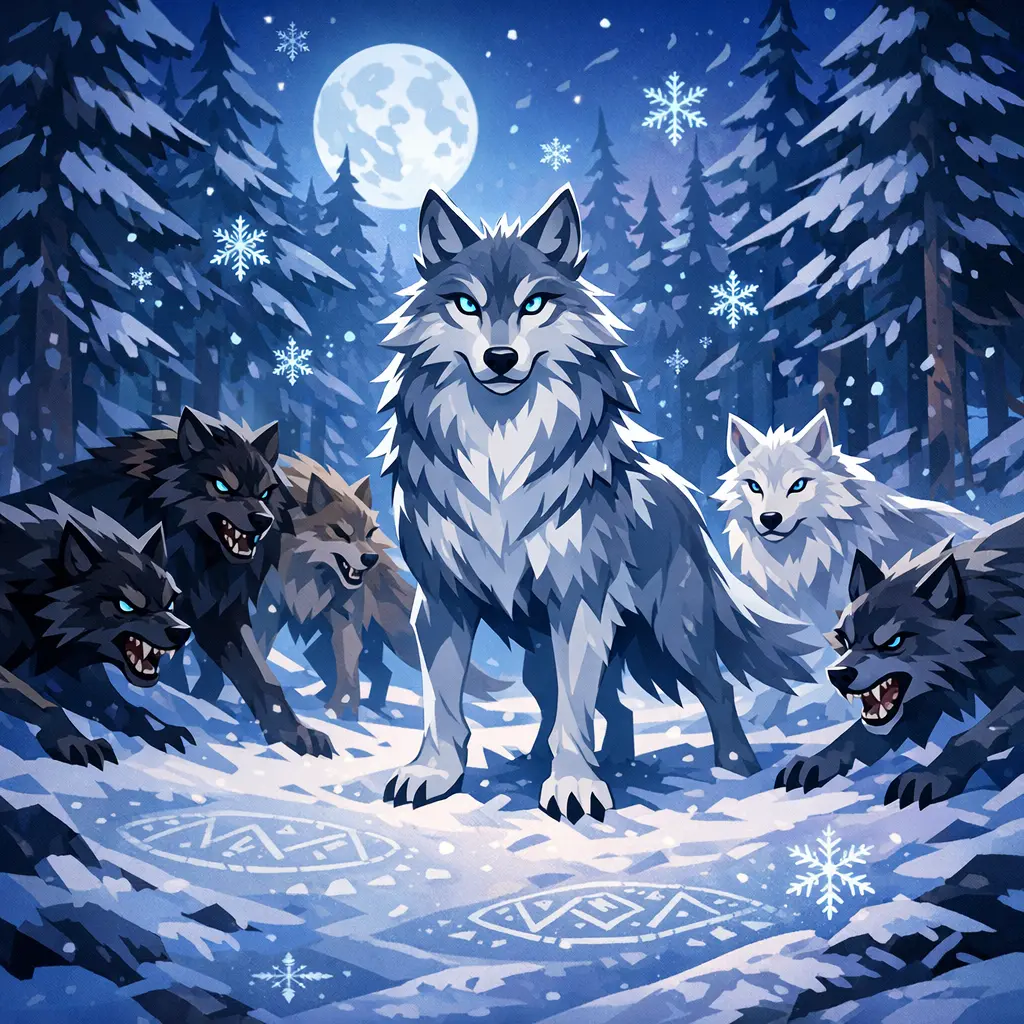
Direwolves, large and intelligent wolves, are iconic creatures in the "Game of Thrones" universe. They symbolize the Stark family’s strength, loyalty, and connection to the North. Each Stark child receives a direwolf, reflecting their personalities and fates. The direwolves serve as protectors, companions, and spiritual guides, emphasizing themes of family, survival, and the ancient bond between House Stark and the wild, untamed elements of their homeland.
Direwolves and Their Significance
Direwolves, large and intelligent wolves, are iconic creatures in the "Game of Thrones" universe. They symbolize the Stark family’s strength, loyalty, and connection to the North. Each Stark child receives a direwolf, reflecting their personalities and fates. The direwolves serve as protectors, companions, and spiritual guides, emphasizing themes of family, survival, and the ancient bond between House Stark and the wild, untamed elements of their homeland.
💡 Key Takeaways
- Define what direwolves are and how they differ from ordinary wolves in fantasy lore.
- Understand direwolves' role as symbols of loyalty, protection, and kinship in storytelling.
- Identify common lore-based traits, habitats, and behaviors attributed to direwolves.
- Compare direwolves to real wolves and explore why authors use them to enhance mythic impact.
❓ Frequently Asked Questions
What are direwolves, and how do they differ from ordinary wolves?
In lore, direwolves are giant, powerful wolves that form strong bonds with their human guardians. They’re larger and more formidable than typical wolves, with thick fur and keen hunting instincts. A real-world parallel is the extinct dire wolf (Canis dirus), which was bigger than modern gray wolves.
What is the significance of direwolves to House Stark?
The direwolf is the emblem of House Stark and symbolizes the family’s northern identity, loyalty, and protective nature. Each Stark child often forms a bond with a direwolf, reflecting their character and ties to the North.
How do direwolves relate to the folklore and symbolism of the North?
Direwolves embody the rugged, untamed spirit of the North—winter, resilience, and guardianship. They are depicted as fierce protectors and meaningful symbols of strength and family ties in northern legends.
Are direwolves real, or are they purely fictional?
In fiction, direwolves are mythical giant wolves. There is a real extinct species called the dire wolf (Canis dirus), which provides a historical parallel but is not the same as the fictional direwolves.