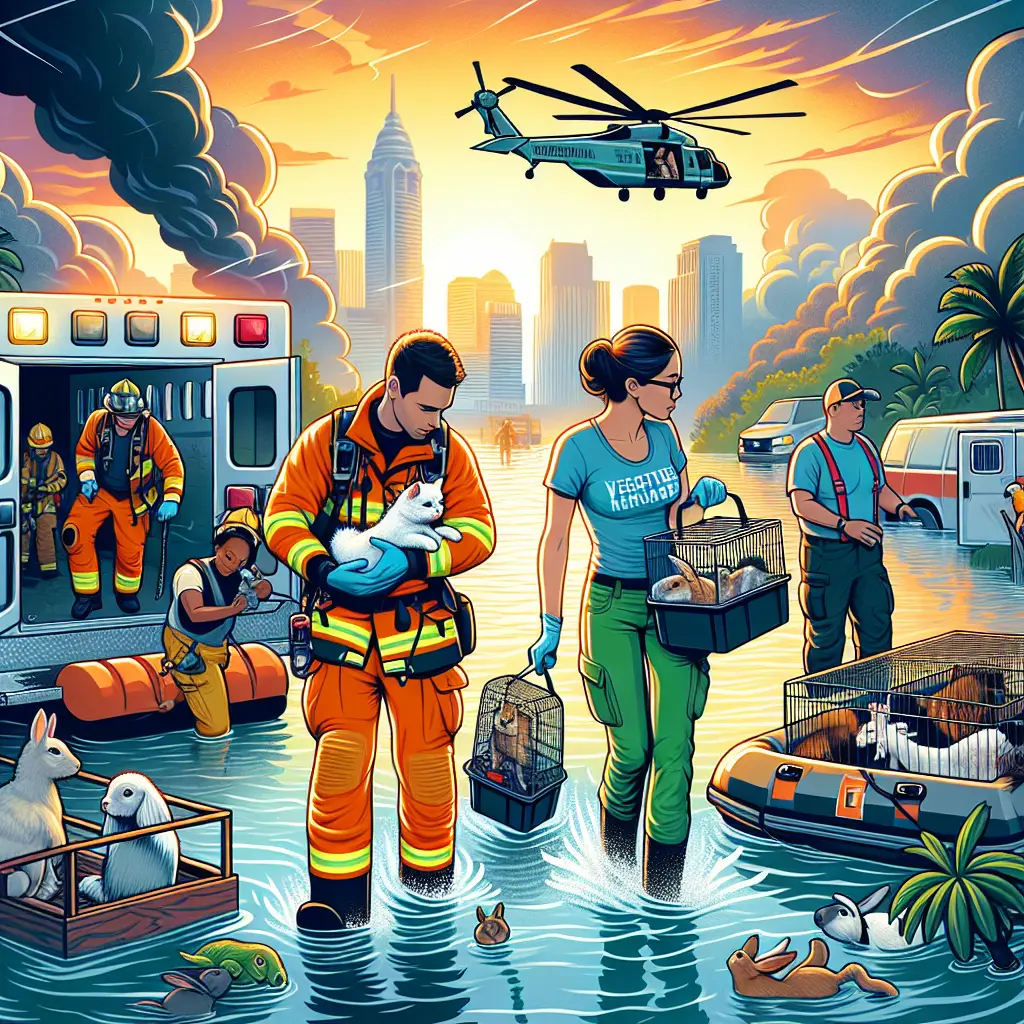
Disaster response and animal evacuation refer to coordinated efforts to protect and rescue animals during natural or man-made disasters such as floods, hurricanes, or wildfires. This process involves planning, mobilizing resources, and deploying trained personnel to safely relocate pets, livestock, and wildlife from dangerous areas to secure shelters. Effective animal evacuation ensures their welfare, prevents loss, and supports overall community recovery by recognizing the important role animals play in people’s lives and livelihoods.
Disaster Response and Animal Evacuation
Disaster response and animal evacuation refer to coordinated efforts to protect and rescue animals during natural or man-made disasters such as floods, hurricanes, or wildfires. This process involves planning, mobilizing resources, and deploying trained personnel to safely relocate pets, livestock, and wildlife from dangerous areas to secure shelters. Effective animal evacuation ensures their welfare, prevents loss, and supports overall community recovery by recognizing the important role animals play in people’s lives and livelihoods.
💡 Key Takeaways
- Understand the end-to-end process of animal disaster response: planning, mobilization, evacuation, and sheltering.
- Learn how to coordinate responders, volunteers, veterinarians, and shelters for efficient, humane relocation of pets and livestock.
- Identify welfare priorities, triage, and steps to reunify pets with owners after disasters.
- Explore practical preparedness steps for households and communities to minimize risk and improve evacuation outcomes.
❓ Frequently Asked Questions
What is disaster response for animals?
A coordinated effort to protect and rescue animals during disasters, including planning, resource mobilization, and trained personnel deployment to relocate pets and livestock safely.
What should an animal evacuation plan include?
Pre-identified shelters, transport arrangements, animal identification (microchips, tags), medical records, emergency contacts, and an evacuation kit (food, water, medications, leashes, carriers), plus livestock-specific gear.
How are animals safely relocated during disasters?
Trained responders use secure containment, appropriate transport, and planned routes to move animals to safe shelters or designated facilities, with welfare checks and triage as needed.
How can pet owners prepare for disasters?
Create and practice a plan, keep ID updated, assemble a pet emergency kit, know pet-friendly shelters, and coordinate with veterinarians or local animal welfare groups; for livestock, have fencing, water/food plan, and contact numbers.