Disaster Response and Rapid Rebuild Design Strategies in construction focus on quickly assessing damage, mobilizing resources, and implementing resilient building solutions after disasters. These strategies prioritize safety, speed, and adaptability, using modular construction, prefabricated materials, and flexible designs to restore essential infrastructure efficiently. They also incorporate risk mitigation, community needs, and sustainability to ensure rebuilt structures are stronger and better prepared for future emergencies.
Disaster Response and Rapid Rebuild Design Strategies
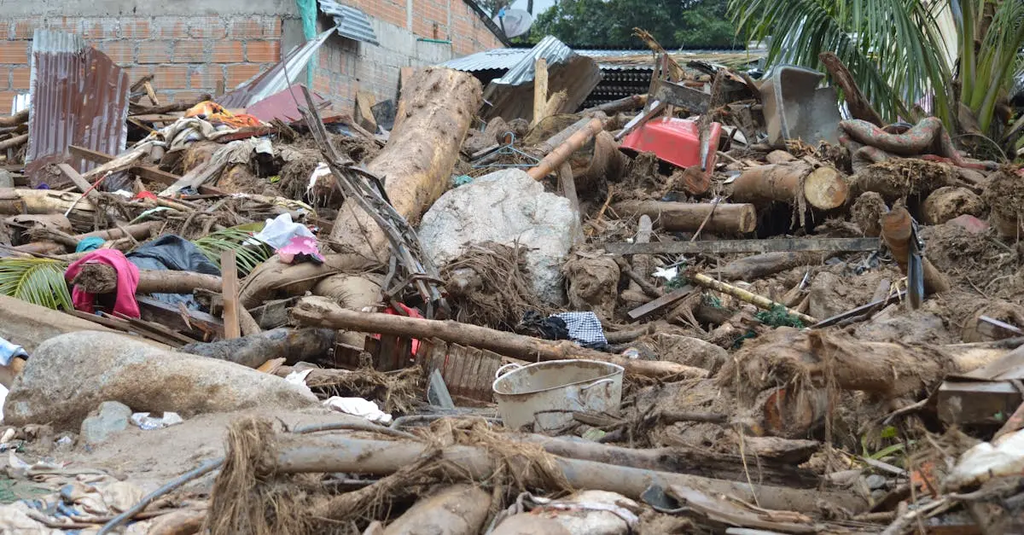
Disaster Response and Rapid Rebuild Design Strategies in construction focus on quickly assessing damage, mobilizing resources, and implementing resilient building solutions after disasters. These strategies prioritize safety, speed, and adaptability, using modular construction, prefabricated materials, and flexible designs to restore essential infrastructure efficiently. They also incorporate risk mitigation, community needs, and sustainability to ensure rebuilt structures are stronger and better prepared for future emergencies.
💡 Key Takeaways
- Understand the key phases of disaster response and how rapid rebuilding fits the recovery timeline.
- Learn rapid assessment methods to prioritize housing, utilities, and essential services.
- Explore design strategies for rapid, resilient reconstruction such as modular and prefabricated solutions.
- Balance speed with safety, cost, code compliance, and community needs in rebuilding efforts.
❓ Frequently Asked Questions
What is the primary goal of disaster response planning?
To save lives, protect people, provide urgent relief, and stabilize the affected area to support rapid recovery.
What does rapid rebuild design emphasize in post-disaster construction?
Speed, resilience, and modular, offsite fabrication to return communities to function quickly and safely.
Name two design strategies commonly used to accelerate rebuilding after a disaster.
Modular/pre-fabricated components and standardized, code-compliant systems that can be quickly assembled.
What are the four phases of disaster management?
Mitigation, Preparedness, Response, and Recovery.
What does Build Back Better mean in reconstruction?
Rebuilding to be more resilient, sustainable, and better able to withstand future hazards while meeting community needs.