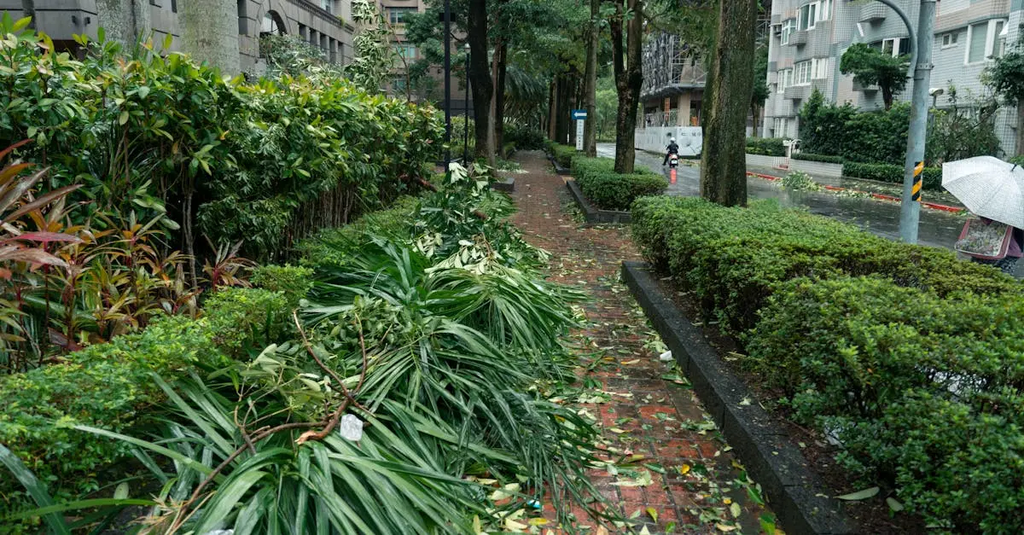
Disaster Risk Reduction refers to strategies and actions aimed at minimizing the damage caused by natural or human-made hazards. It involves identifying risks, reducing vulnerabilities, and enhancing the capacity of communities to respond and recover. This approach includes planning, education, building resilient infrastructure, and promoting sustainable development. By proactively addressing potential threats, Disaster Risk Reduction helps save lives, protect property, and support long-term community well-being and safety.
Disaster Risk Reduction
Disaster Risk Reduction refers to strategies and actions aimed at minimizing the damage caused by natural or human-made hazards. It involves identifying risks, reducing vulnerabilities, and enhancing the capacity of communities to respond and recover. This approach includes planning, education, building resilient infrastructure, and promoting sustainable development. By proactively addressing potential threats, Disaster Risk Reduction helps save lives, protect property, and support long-term community well-being and safety.
💡 Key Takeaways
- Identify hazards, vulnerabilities, and exposure to understand the overall disaster risk of a community.
- Explain the four DRR phases—mitigation, preparedness, response, and recovery—and how they connect.
- Describe how planning, education, and community engagement reduce risk and build resilience.
- Explore practical risk-reduction measures such as strong building codes, smart land-use planning, and early warning systems.
- Recognize the importance of collaboration among government, agencies, and residents in effective disaster risk reduction.
❓ Frequently Asked Questions
What is Disaster Risk Reduction (DRR)?
A set of strategies to identify hazards, reduce vulnerabilities, and strengthen communities’ ability to prevent, prepare for, respond to, and recover from disasters.
What are the core components of DRR?
Hazard assessment, risk reduction, preparedness, resilient recovery planning, and the use of early warning and education to protect people and property.
How does DRR differ from disaster response?
DRR aims to prevent or lessen risks before a disaster occurs; disaster response focuses on actions during and immediately after an event.
Why is community involvement important in DRR?
Engaging communities leverages local knowledge, builds trust, and ensures actions fit local needs and can be sustained over time.
Can you name common DRR strategies?
Land-use planning in safe areas, improved building codes, public education, drills and simulations, early warning systems, and climate-resilient infrastructure.