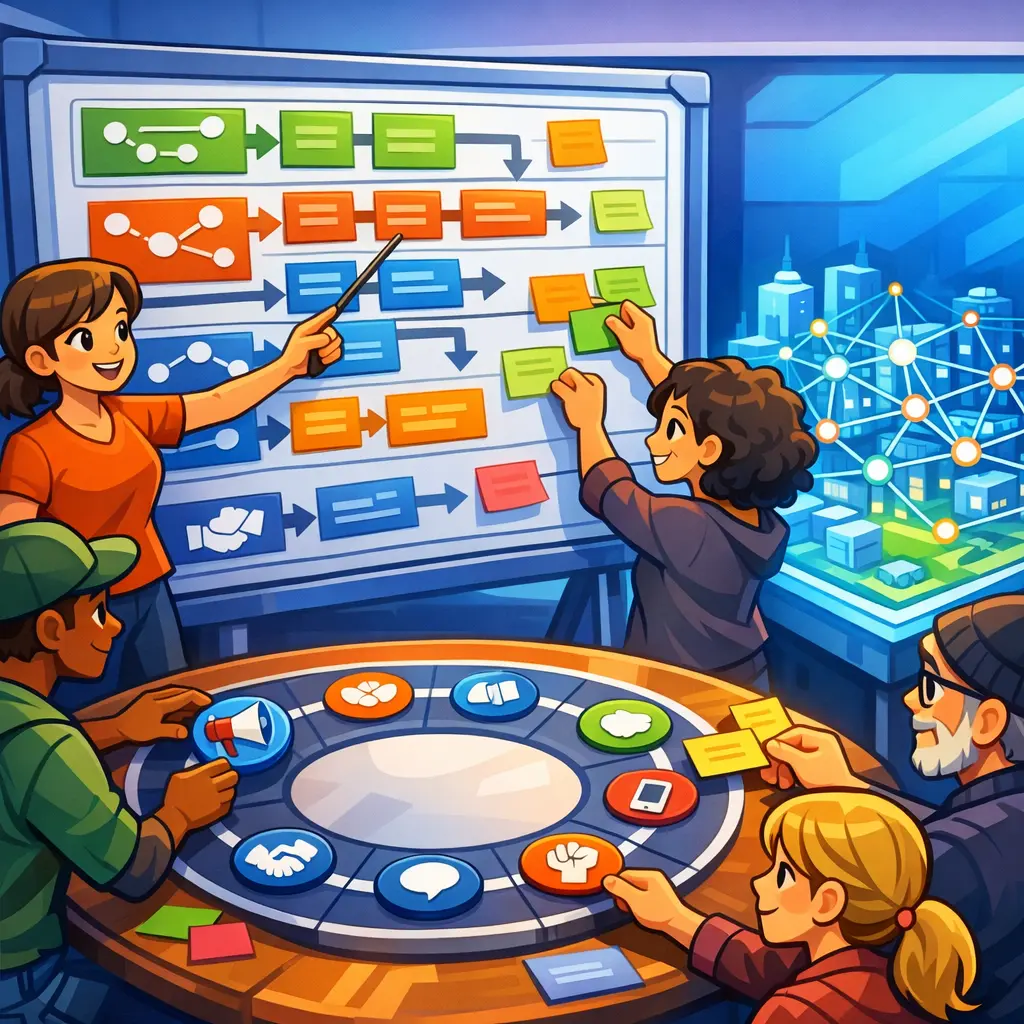
Disinformation, conspiracy theories, and moral panics are interconnected phenomena that significantly influence culture, religion, and society. Disinformation spreads false or misleading information, often fueling conspiracy theories—unfounded beliefs about hidden plots. These can trigger moral panics, where society irrationally fears a perceived threat to its values or safety. Together, they shape public opinion, polarize communities, and impact social cohesion, often leading to mistrust in institutions and cultural conflict.
Disinformation, Conspiracy & Moral Panics
Disinformation, conspiracy theories, and moral panics are interconnected phenomena that significantly influence culture, religion, and society. Disinformation spreads false or misleading information, often fueling conspiracy theories—unfounded beliefs about hidden plots. These can trigger moral panics, where society irrationally fears a perceived threat to its values or safety. Together, they shape public opinion, polarize communities, and impact social cohesion, often leading to mistrust in institutions and cultural conflict.
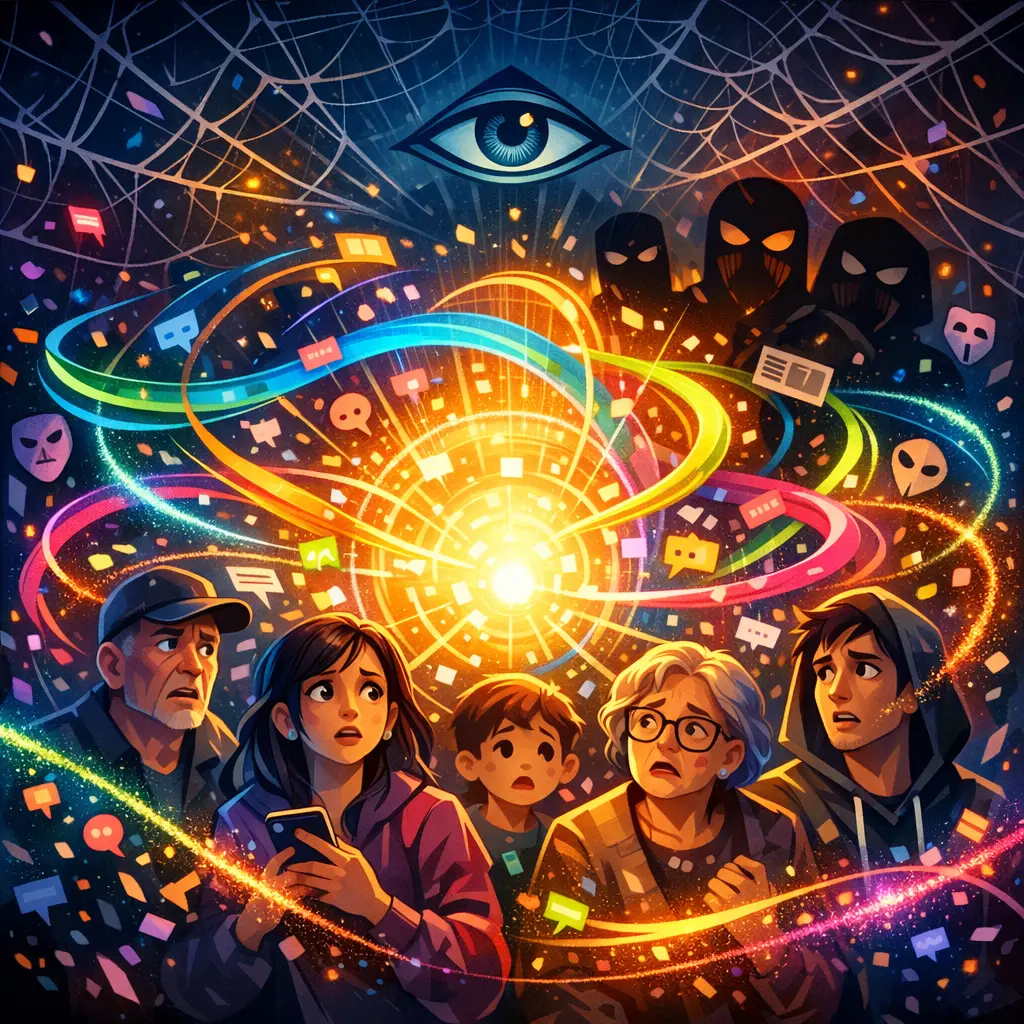
💡 Key Takeaways
- Define disinformation and distinguish it from misinformation and conspiracy theories.
- Recognize common manipulation tactics used in disinformation (fear appeals, cherry-picked data, fake experts).
- Explore how moral panics form and influence public opinion, policy, and behavior.
- Learn practical steps to verify claims and evaluate sources before sharing online.
❓ Frequently Asked Questions
What is disinformation, misinformation, and conspiracy theories?
Disinformation is false information spread intentionally to deceive; misinformation is false information spread without harmful intent; conspiracy theories are explanations that accuse hidden plots by powerful groups and often rely on limited or misinterpreted evidence.
What is a moral panic?
A moral panic is widespread public concern that something threatens societal norms, usually amplified by sensational media coverage and authorities, which can lead to disproportionate reactions.
How can I evaluate the credibility of a claim in this quiz?
Check the source's reliability, look for clear authorship and date, see if claims are supported by evidence, and compare with independent, reputable sources or fact-checkers.
What are common signs of misinformation or misleading content?
Sensational language, lack of verifiable sources, misattributed quotes, unsupported statistics, manipulated images, and claims that rely on cherry-picked or out-of-context information.