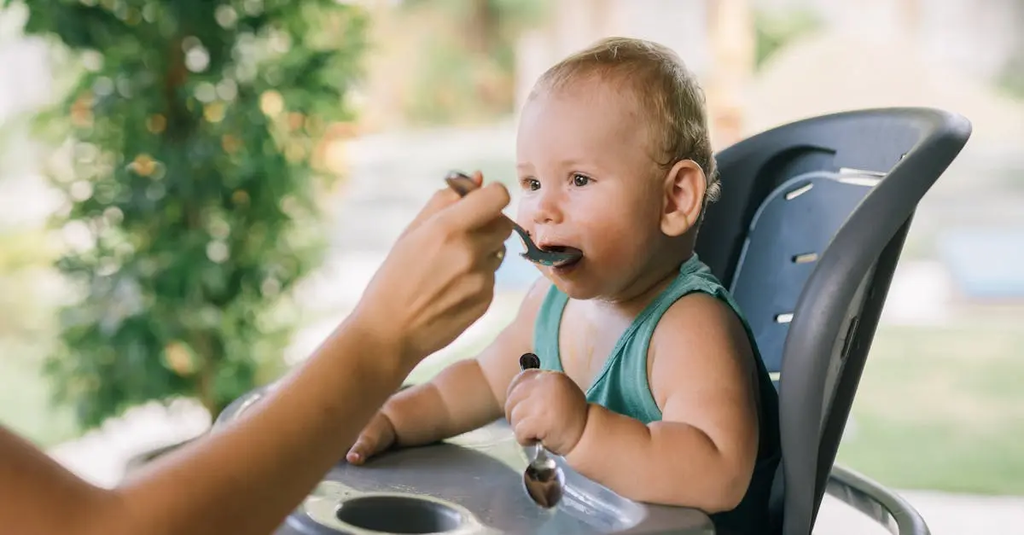
The division of responsibility in feeding is a concept where parents and children share roles in the feeding process. Parents are responsible for what, when, and where food is offered, while children decide whether to eat and how much. In the context of child nutrition and night weaning, this approach helps build healthy eating habits, supports self-regulation, and eases transitions like reducing nighttime feedings by respecting the child’s hunger cues and readiness.
Division of responsibility in feeding
The division of responsibility in feeding is a concept where parents and children share roles in the feeding process. Parents are responsible for what, when, and where food is offered, while children decide whether to eat and how much. In the context of child nutrition and night weaning, this approach helps build healthy eating habits, supports self-regulation, and eases transitions like reducing nighttime feedings by respecting the child’s hunger cues and readiness.

💡 Key Takeaways
- Understand the Division of Responsibility in Feeding and the roles: parents decide what, when, and where to eat; children decide how much and whether to eat.
- Implement DOR at meals and snacks to support children’s self-regulation and a positive relationship with food.
- Identify common challenges (picky eating, pressure) and respond with non-coercive, supportive strategies.
- Create predictable meal routines, offer a variety of foods, and avoid pressuring children to eat.
❓ Frequently Asked Questions
What is the Division of Responsibility in Feeding (DOR)?
A feeding framework where parents decide what, when, and where meals happen, while children decide whether to eat and how much from what’s offered.
Who decides what foods are available at meals?
Parents or caregivers decide the foods, meal structure, and timing; children choose whether to eat and how much from those options.
What decisions are the child responsible for in DOR?
Whether to start eating and how much to eat, based on the foods offered and the child’s own hunger/fullness cues.
Why is the Division of Responsibility in Feeding beneficial?
It supports self-regulation, reduces pressures around eating, and fosters a healthy, positive relationship with food.
What common mistakes should be avoided when applying DOR?
Avoid pressuring or rewarding eating, restricting foods too strictly, or using dessert as a reward; respect the child’s appetite and cues.