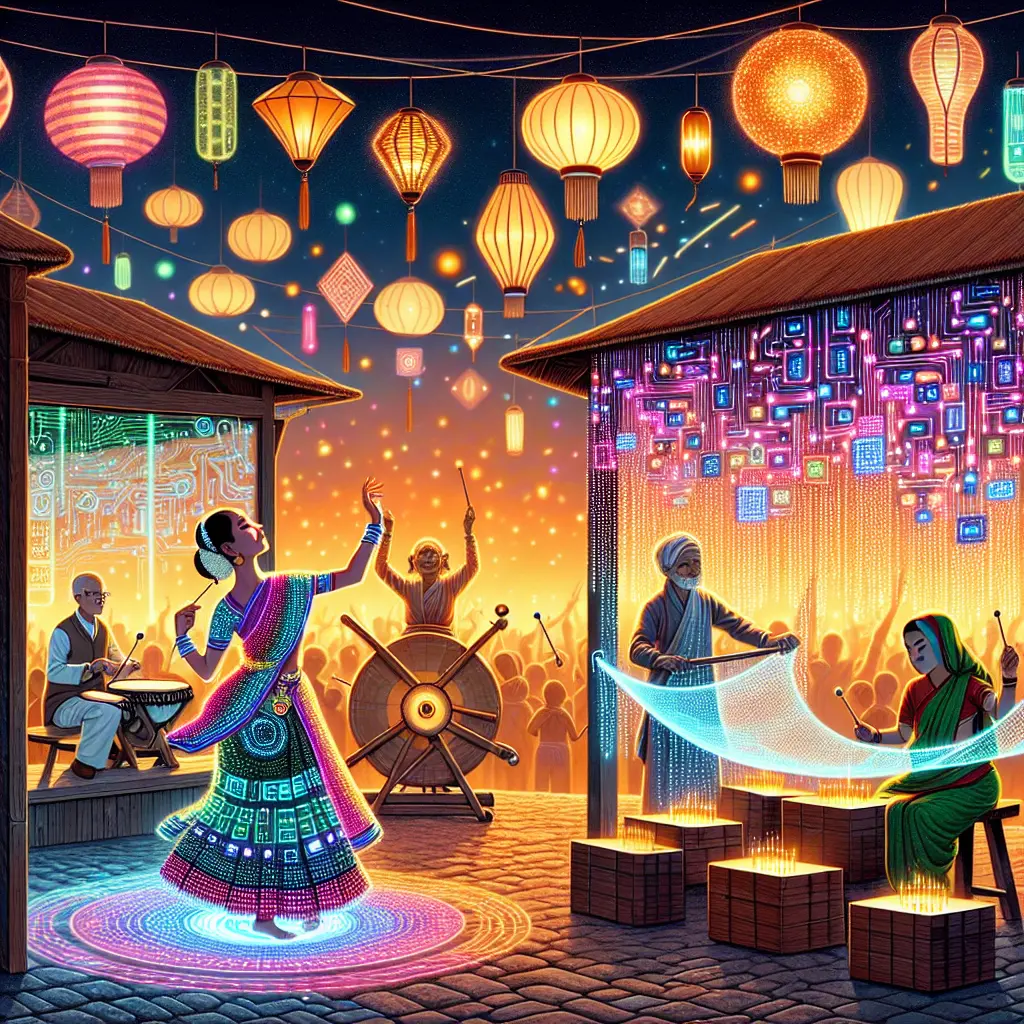
Diwali, also known as the Festival of Lights, is a major Hindu festival celebrated in India and by Indian communities worldwide. It symbolizes the victory of light over darkness and good over evil. During Diwali, people illuminate their homes with lamps and candles, exchange gifts and sweets, perform religious rituals, and enjoy fireworks. The festival fosters a spirit of joy, togetherness, and prosperity, marking the beginning of a new year for many.
Diwali+50
Diwali, also known as the Festival of Lights, is a major Hindu festival celebrated in India and by Indian communities worldwide. It symbolizes the victory of light over darkness and good over evil. During Diwali, people illuminate their homes with lamps and candles, exchange gifts and sweets, perform religious rituals, and enjoy fireworks. The festival fosters a spirit of joy, togetherness, and prosperity, marking the beginning of a new year for many.
💡 Key Takeaways
- Understand Diwali's meaning as the Festival of Lights (the victory of light over darkness and good over evil).
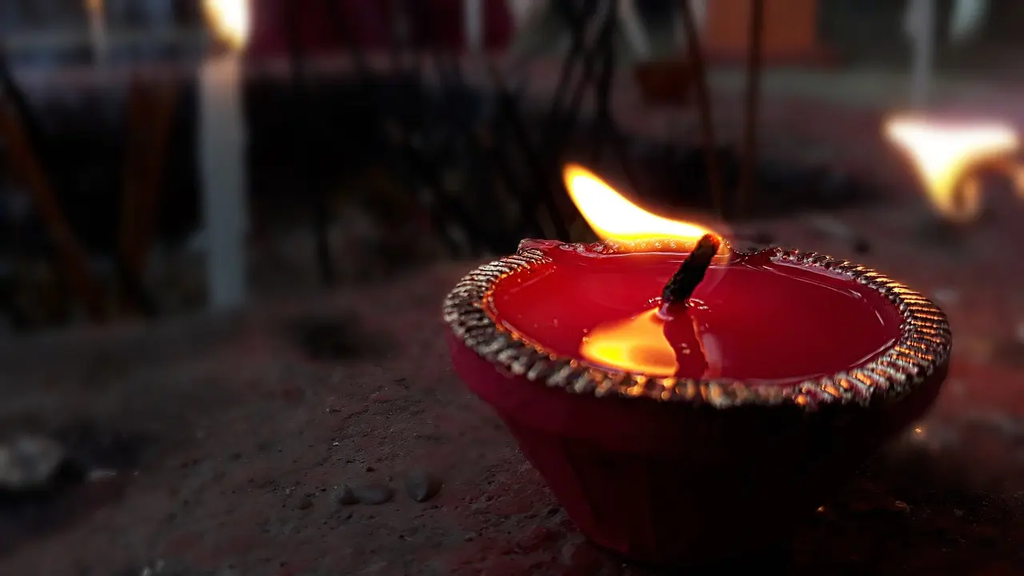
- Identify common Diwali customs, such as lighting lamps (diyas), decorating homes, sharing sweets, and exchanging gifts.
- Learn about Lakshmi, the goddess of prosperity, and the significance of Lakshmi Puja during the celebrations.
- Explore how Diwali is observed across different regions and by Indian communities worldwide, including variations in practices.
❓ Frequently Asked Questions
What is Diwali and why is it celebrated?
Diwali, the Festival of Lights, celebrates the victory of light over darkness and good over evil. It emphasizes knowledge, prosperity, and virtue, and is observed with lamps, prayers, gifts, and sweets.
How is Diwali typically celebrated?
Homes are lit with lamps (diyas) and candles, prayers (puja) are offered to deities like Lakshmi, rangoli decorations are made, sweets and gifts are exchanged, and families share festive meals; in some regions, fireworks are also common.
What is the significance of lamps (diyas) during Diwali?
Diyas symbolize the triumph of light over darkness and knowledge over ignorance, and they are believed to invite positive energy and the goddess Lakshmi into homes.
When does Diwali usually occur?
Diwali falls on the new moon night (Amavasya) in the Hindu lunisolar month of Kartika, typically between October and November; the exact date varies by year and region.