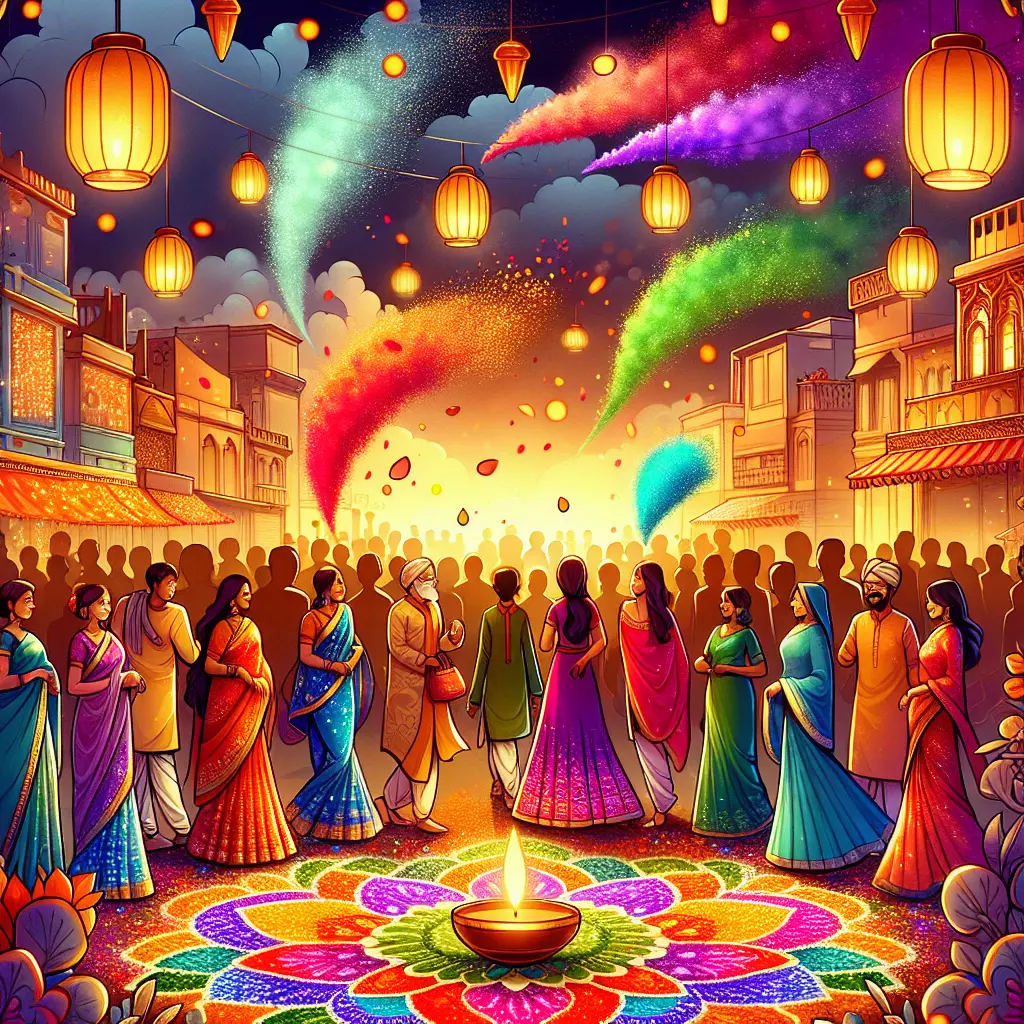
Diwali, Holi, and other Indian festivals are vibrant celebrations that reflect the rich cultural heritage of India. Diwali, the festival of lights, symbolizes the victory of good over evil, while Holi, the festival of colors, celebrates the arrival of spring and the joy of togetherness. These festivals are marked by rituals, traditional foods, music, dance, and the coming together of families and communities, fostering unity and joy across the nation.
Diwali, Holi & Indian Festivals+50
Diwali, Holi, and other Indian festivals are vibrant celebrations that reflect the rich cultural heritage of India. Diwali, the festival of lights, symbolizes the victory of good over evil, while Holi, the festival of colors, celebrates the arrival of spring and the joy of togetherness. These festivals are marked by rituals, traditional foods, music, dance, and the coming together of families and communities, fostering unity and joy across the nation.
💡 Key Takeaways
- Diwali is the festival of lights that symbolizes the victory of good over evil and the triumph of light over darkness.
- Holi is the festival of colors that welcomes spring and emphasizes joy, renewal, and togetherness.
- Common festival customs include lighting diyas, creating rangoli, sharing sweets, and gathering with family and community.
- Indian festivals reflect a rich cultural heritage, regional adaptations, seasonal changes, and mythological stories that shape celebrations.
❓ Frequently Asked Questions
What is Diwali and why is it celebrated?
Diwali, the festival of lights, symbolizes the victory of light over darkness and good over evil. It is celebrated with lamps, prayers, and festive foods.
What is Holi and when is it celebrated?
Holi is the festival of colors that marks the arrival of spring. It is typically celebrated on the full moon in Phalguna (around March) with colored powders and water play.
What are common ways people celebrate these festivals?
People light lamps or rangoli, share sweets, perform prayers, exchange gifts, and celebrate with family and community gatherings.
Are there typical foods associated with Diwali and Holi?
Yes. Diwali often features sweets like laddoo and barfi, while Holi includes snacks and beverages such as gujiya and thandai.