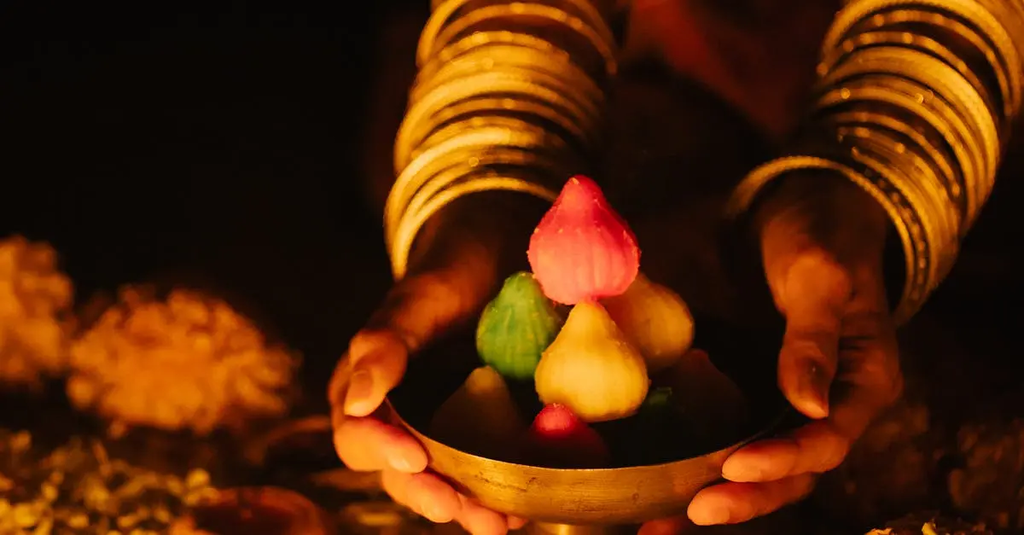
Diwali, also known as the Festival of Lights, is a major Hindu festival celebrated across India. It symbolizes the victory of light over darkness and good over evil. Families decorate their homes with oil lamps and colorful rangoli designs, exchange gifts and sweets, and set off fireworks. The festival honors the return of Lord Rama to Ayodhya and the goddess Lakshmi, inviting prosperity and happiness for the coming year.
Diwali (India)
Diwali, also known as the Festival of Lights, is a major Hindu festival celebrated across India. It symbolizes the victory of light over darkness and good over evil. Families decorate their homes with oil lamps and colorful rangoli designs, exchange gifts and sweets, and set off fireworks. The festival honors the return of Lord Rama to Ayodhya and the goddess Lakshmi, inviting prosperity and happiness for the coming year.
💡 Key Takeaways
- Understand Diwali as the Festival of Lights and its symbolism of light over darkness and good over evil.
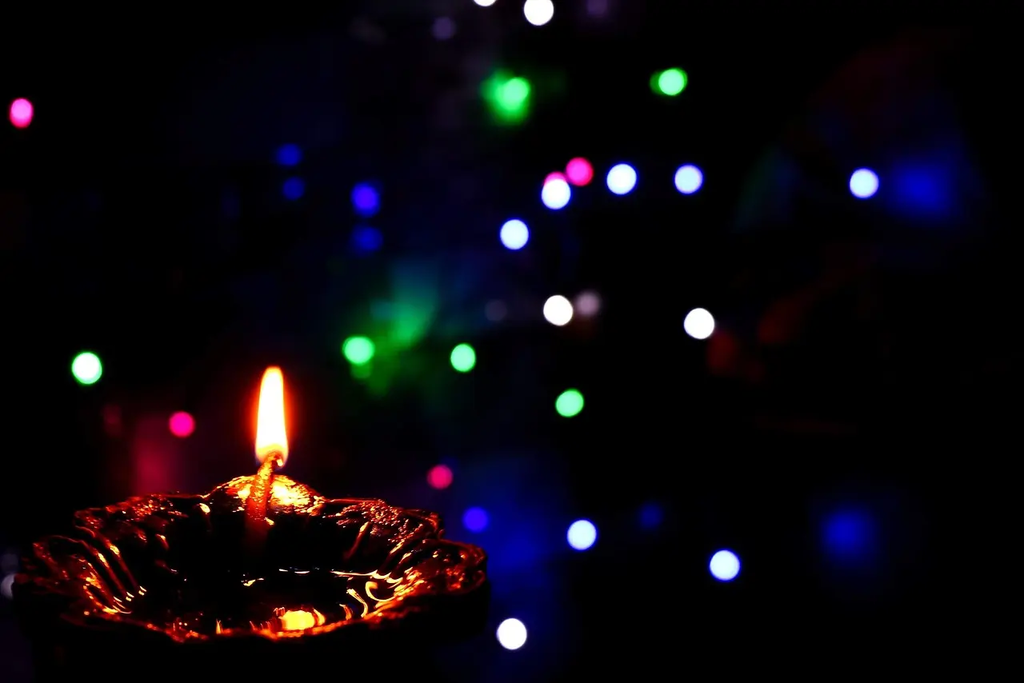
- Learn about key Diwali customs: lighting diyas, creating rangoli designs, and decorating homes.
- Recognize traditions like exchanging gifts and sweets and gathering with family during the festival.
- Be aware of firework safety and celebrating Diwali responsibly.
❓ Frequently Asked Questions
What is Diwali and why is it celebrated?
Diwali, the Festival of Lights, is a major Hindu festival celebrating the victory of light over darkness and good over evil. It honors stories like Rama's return and Lakshmi's blessing, and features lamps, rangoli, sweets, gifts, and fireworks.
How is Diwali typically celebrated?
Homes are lit with oil lamps (diyas), colorful rangoli is created, Lakshmi Puja is performed, sweets and gifts are exchanged, and fireworks are enjoyed in the evening.
When does Diwali occur?
Diwali usually falls in October or November on the new moon (Amavasya) of the Hindu month Kartika and is often observed as a multi-day festival.
What is the meaning of the lights during Diwali?
The lights symbolize the victory of light over darkness and knowledge over ignorance, inviting prosperity and auspiciousness into homes.