DIY & Lo-Fi aesthetics emphasize creativity, authenticity, and a hands-on approach, often using simple or accessible materials and techniques. DIY (Do It Yourself) reflects a self-made, independent spirit, while Lo-Fi (Low Fidelity) embraces imperfection, rawness, and unpolished qualities. Together, they celebrate individuality and resourcefulness, favoring unique, personal expression over mass-produced or highly polished results, and are popular in art, music, fashion, and design cultures.
DIY & Lo-Fi Aesthetics
DIY & Lo-Fi aesthetics emphasize creativity, authenticity, and a hands-on approach, often using simple or accessible materials and techniques. DIY (Do It Yourself) reflects a self-made, independent spirit, while Lo-Fi (Low Fidelity) embraces imperfection, rawness, and unpolished qualities. Together, they celebrate individuality and resourcefulness, favoring unique, personal expression over mass-produced or highly polished results, and are popular in art, music, fashion, and design cultures.
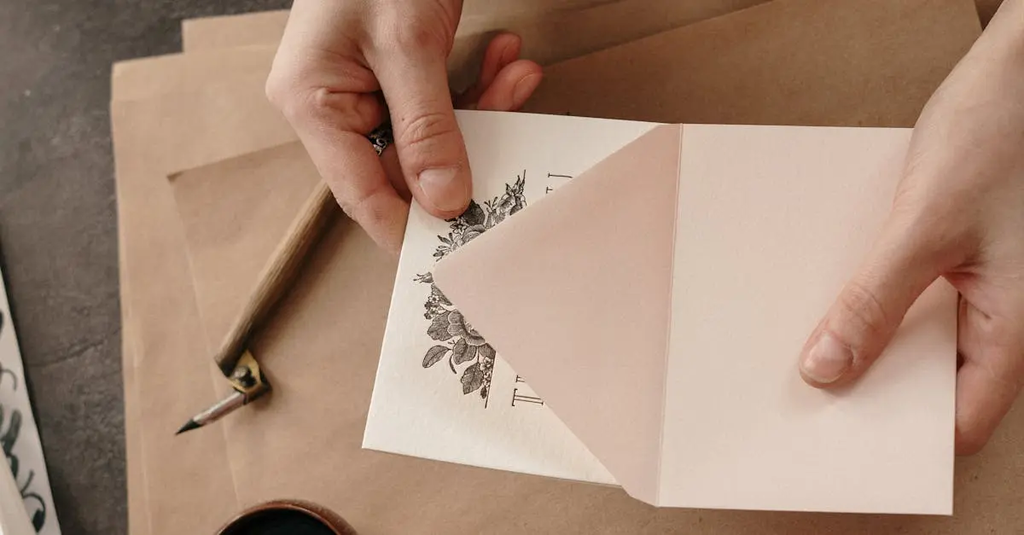
💡 Key Takeaways
- Grasp the basics of DIY and Lo-Fi aesthetics and how they appear in music and celebrity culture.
- Identify practical, low-cost ways to create DIY/Lo-Fi music (home recording, simple gear, and lo-fi production tricks).
- Explore how Lo-Fi visuals and imperfect sounds affect authenticity and fans' connection with artists.
- Analyze how the DIY ethos shapes independent branding, releases, and media portrayal of celebrities.
❓ Frequently Asked Questions
What does DIY stand for in music, and what does it mean?
DIY stands for Do It Yourself. In music, it means creating, recording, releasing, and promoting music independently, often without major label support or corporate production.
What is lo-fi in music, and how does it differ from polished high-fidelity sound?
Lo-fi stands for low fidelity. It embraces imperfections like tape hiss, distortion, and background noise to create a warm, raw, and intimate feel, unlike highly polished studio recordings.
How can artists achieve a DIY, lo-fi aesthetic in their music production?
Use affordable gear (e.g., cassette recorders, affordable interfaces, budget mics), record at home, apply modest editing, and incorporate analog or imperfect effects. Pair music with handmade artwork and distribute independently on platforms like Bandcamp or SoundCloud.
Why are DIY and lo-fi aesthetics popular in music and celebrity culture?
They emphasize authenticity, personal craft, and a direct connection with fans. The look and sound convey independence and creativity, which can feel more relatable than highly polished, commercial productions.