DNA evidence has revolutionized the investigation of cold cases, which are unsolved crimes that have remained open for years or decades. By analyzing genetic material found at crime scenes, forensic experts can identify suspects or exonerate the innocent, even after long periods. Advances in DNA technology have led to significant breakthroughs, helping law enforcement solve cases previously thought unsolvable and bringing long-awaited closure to victims’ families.
DNA evidence and cold case breakthroughs
DNA evidence has revolutionized the investigation of cold cases, which are unsolved crimes that have remained open for years or decades. By analyzing genetic material found at crime scenes, forensic experts can identify suspects or exonerate the innocent, even after long periods. Advances in DNA technology have led to significant breakthroughs, helping law enforcement solve cases previously thought unsolvable and bringing long-awaited closure to victims’ families.
💡 Key Takeaways
- Understand how DNA evidence can solve cold cases by linking suspects to crime scenes or exonerating the innocent, even after many years.
- Learn how modern DNA techniques improve analysis of old or degraded evidence (e.g., STR analysis, mitochondrial DNA, touch DNA, and genetic genealogy).
- Explore the role of DNA databases and genetic genealogy in generating new leads and connections across cases and time.
- Consider the limitations and ethical aspects of DNA evidence, including contamination risks, privacy concerns, and the importance of proper interpretation and chain of custody.
❓ Frequently Asked Questions
What is DNA evidence and why is it useful in investigations?
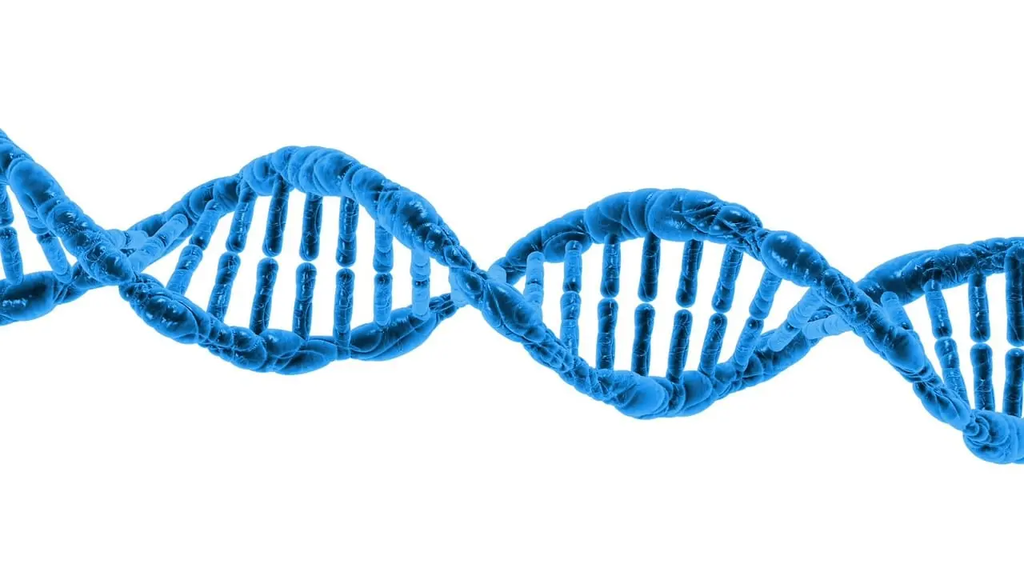
DNA evidence is genetic material collected from a crime scene or victim. It is highly unique to individuals (except identical twins) and can link a suspect to the scene, identify a victim, or exonerate the innocent.
How can DNA analysis help solve cold cases after many years?
DNA can connect or rule out suspects by matching profiles to databases (like CODIS) or through new leads from relatives, enabling breakthroughs long after the crime occurred.
What are the common DNA analysis methods used in forensics?
STR analysis creates a DNA profile from short tandem repeats; mitochondrial DNA analysis helps with degraded samples or maternal lineage; newer approaches (like SNPs/NGS) provide additional information.
What are limitations or ethical considerations when using DNA evidence?
DNA results can be partial or contaminated and show association rather than proof of guilt; not all suspects have DNA in databases; privacy concerns and potential misuse of genetic data should be considered.