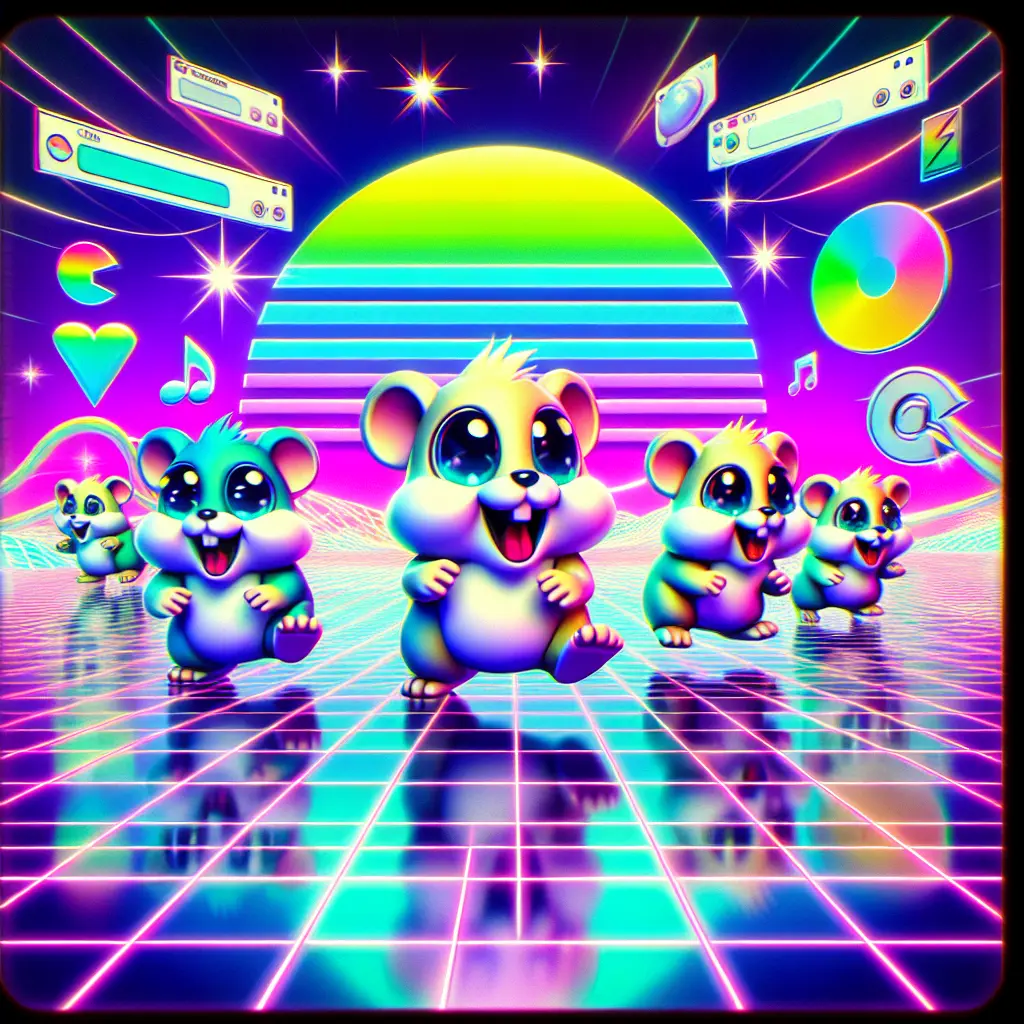
The Dot-Com Boom era saw a surge in quirky, experimental websites fueled by newfound internet enthusiasm. Memes like the Hamster Dance—a simple page looping animated hamsters to catchy music—and the widespread Y2K panic, which inspired countless jokes and graphics about the supposed millennium bug, captured the playful, creative spirit of early web culture. These sites reflected the optimism, humor, and novelty of the late 1990s internet, shaping online trends for years to come.
Dot-Com Boom Websites and Memes (Y2K, Hamster Dance)
The Dot-Com Boom era saw a surge in quirky, experimental websites fueled by newfound internet enthusiasm. Memes like the Hamster Dance—a simple page looping animated hamsters to catchy music—and the widespread Y2K panic, which inspired countless jokes and graphics about the supposed millennium bug, captured the playful, creative spirit of early web culture. These sites reflected the optimism, humor, and novelty of the late 1990s internet, shaping online trends for years to come.
💡 Key Takeaways
- Identify key traits of late-90s/early-2000s dot-com websites: experimental layouts, splash pages, and quirky, optimistic design.
- Explain Hamster Dance as a landmark meme that popularized looping animations and simple music on the web.
- Understand Y2K panic: why it happened and how it inspired jokes, graphics, and cultural narratives about the millennium bug.
- Recognize how 90s/2000s internet nostalgia appears in modern memes, aesthetics, and trivia.
❓ Frequently Asked Questions
What was the Dot-Com Boom era and why is it significant?
A late 1990s surge of internet startups and speculation driven by new tech and venture capital; it spurred rapid website creation, IPO hype, and notable crashes around 2000-2001.
What is the Hamster Dance meme?
A simple web page that loops animated hamsters dancing to a catchy tune, one of the earliest widely shared internet memes from the late 1990s.
What is Y2K and why did people worry about it?
The concern that computers storing years as two digits would fail when the year rolled from 1999 to 2000, causing date-related errors; led to widespread fixes and a handful of jokes and graphics.
How did the Dot-Com era influence early web design and memes?
It encouraged experimentation and rapid, shareable content—spawning quirky sites, GIFs, and the viral meme culture that defined late 1990s/early 2000s nostalgia.