Dothraki culture, depicted in "Game of Thrones," centers around a nomadic, horse-riding warrior society. They value strength, honor, and skill in battle, with horses holding sacred significance. Their social structure is organized into khalasars, led by a khal. Dothraki customs include unique marriage rituals, a distinct language, and minimalistic clothing. They disdain cities and permanent settlements, viewing them as signs of weakness. Oral tradition and storytelling are essential aspects of their heritage.
Dothraki Culture
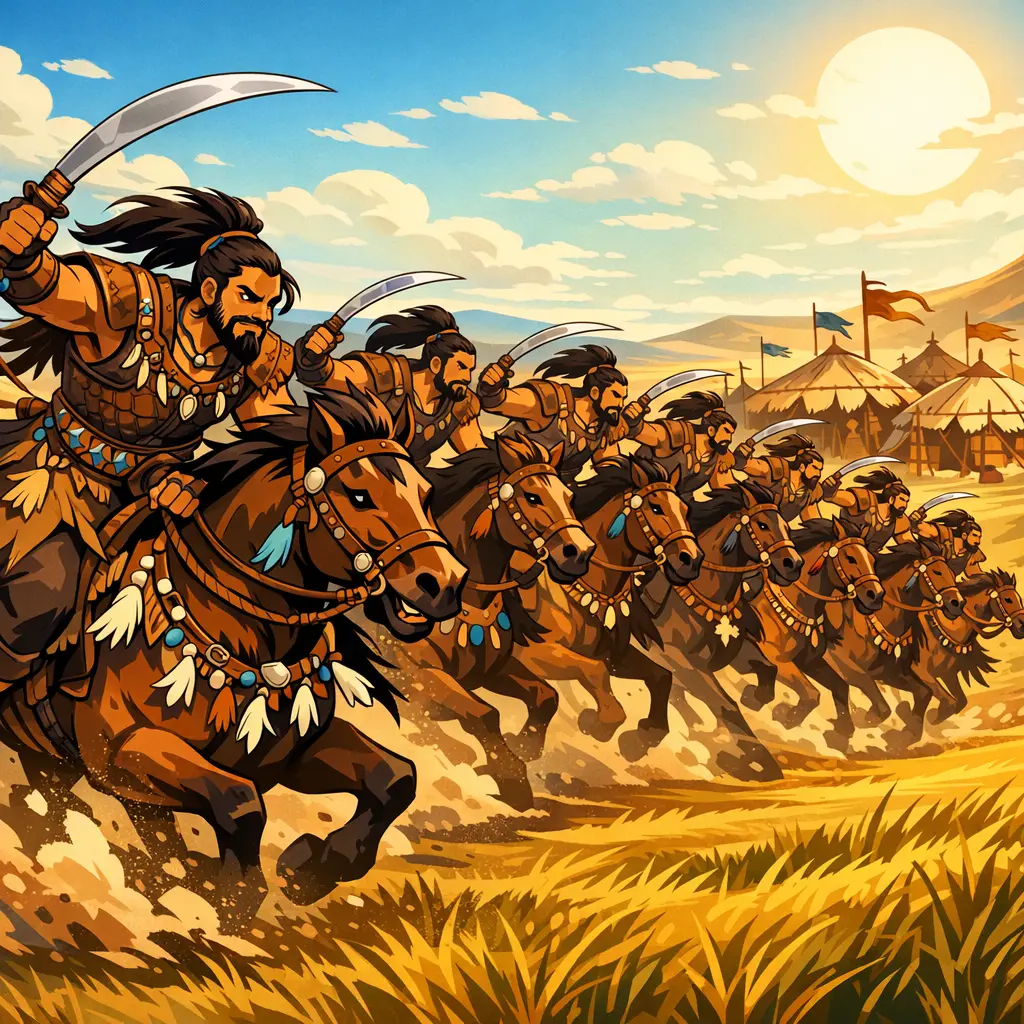
Dothraki culture, depicted in "Game of Thrones," centers around a nomadic, horse-riding warrior society. They value strength, honor, and skill in battle, with horses holding sacred significance. Their social structure is organized into khalasars, led by a khal. Dothraki customs include unique marriage rituals, a distinct language, and minimalistic clothing. They disdain cities and permanent settlements, viewing them as signs of weakness. Oral tradition and storytelling are essential aspects of their heritage.
💡 Key Takeaways
- Understand how horses shape Dothraki daily life, travel, and warfare
- Explain the khal and khalasar leadership structure and why loyalty matters
- Describe core beliefs and values, including honor culture and the Great Stallion
- Familiarize yourself with basic Dothraki terms and their storytelling traditions
❓ Frequently Asked Questions
Who are the Dothraki and what is a khal?
The Dothraki are a nomadic, horse-centered warrior culture in the plains of Essos. They travel in khalasars led by a khal; leadership is earned by merit and prowess.
Why are horses central to Dothraki culture?
Horses are essential for travel, warfare, and status. A warrior’s worth is often measured by the strength and number of his horses.
What is a blood rider and what do they do?
A blood rider is an elite, sworn protector to the khal. They accompany him in battle and life, bound by ritual oaths and fierce loyalty.
What does Khaleesi mean and who uses the title?
Khaleesi means 'queen' in the Dothraki language. It is the title given to the wife of a khal (the ruler of a khalasar).
Do the Dothraki have a religion or beliefs?
They follow the Great Stallion, a horse deity, and their beliefs center on horses, courage, and honor. Much of their spirituality is transmitted orally and tied to their nomadic way of life.