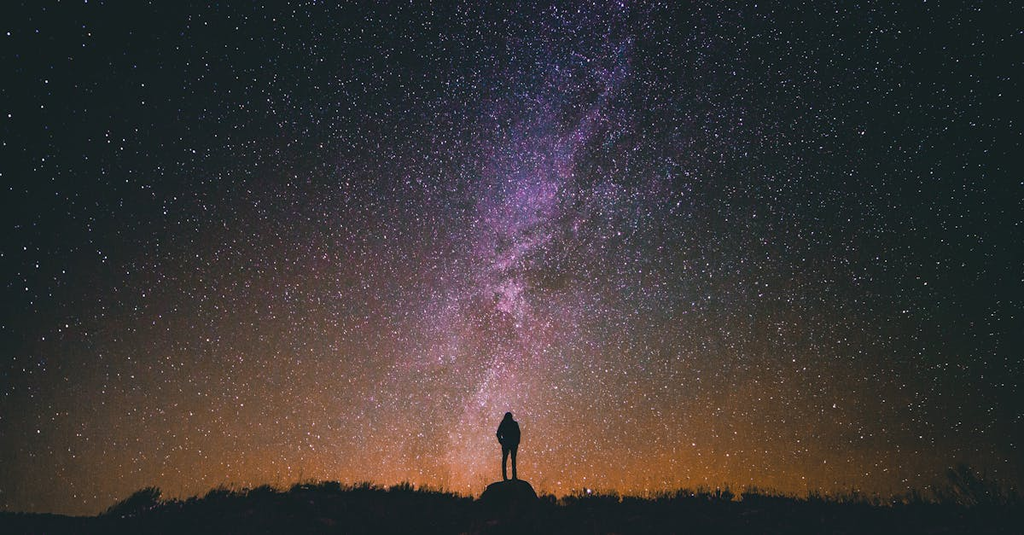
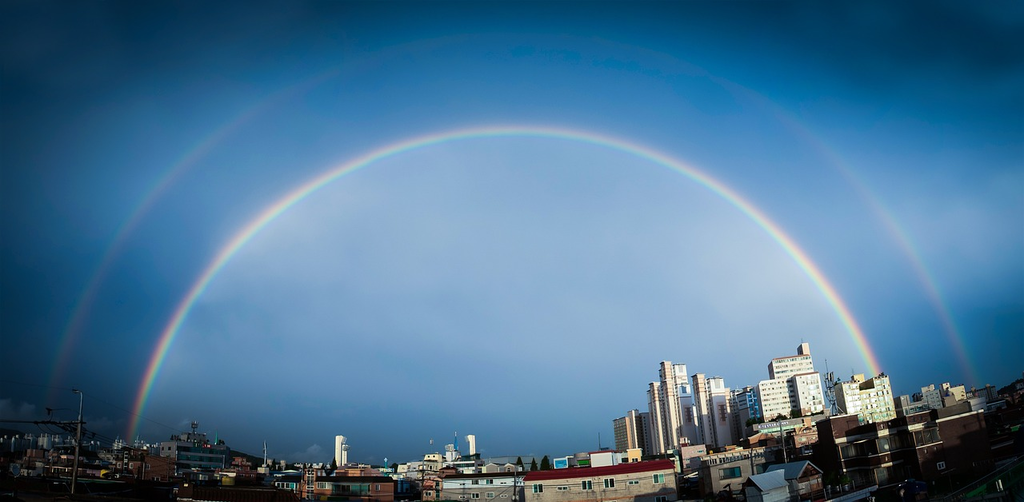
Double rainbows are a striking meteorological phenomenon where two concentric arcs of color appear in the sky after rain. The inner, brighter rainbow forms when sunlight is refracted and reflected inside raindrops, while the outer, fainter arc is created by a double reflection within the drops. This rare occurrence symbolizes beauty and wonder, often inspiring awe and curiosity about nature’s intricate sky signs, including rainbows and stars.
Double Rainbows
Double rainbows are a striking meteorological phenomenon where two concentric arcs of color appear in the sky after rain. The inner, brighter rainbow forms when sunlight is refracted and reflected inside raindrops, while the outer, fainter arc is created by a double reflection within the drops. This rare occurrence symbolizes beauty and wonder, often inspiring awe and curiosity about nature’s intricate sky signs, including rainbows and stars.
💡 Key Takeaways
- Understand why double rainbows form and what they reveal about light and water droplets.
- Distinguish the primary and secondary rainbow: color order and the number of internal reflections.
- Learn the viewing conditions that make double rainbows visible (sun position, raindrop size, and weather).
- Explore common myths about rainbows and the science that explains them.
- Tips for observing and photographing double rainbows.
❓ Frequently Asked Questions
What is a double rainbow?
A double rainbow is the appearance of two concentric rainbows in the sky: a bright inner rainbow and a fainter outer one, with the color order reversed in the outer rainbow.
How do double rainbows form?
The inner rainbow forms when light is refracted into raindrops, reflected once inside, and refracted out. The outer rainbow forms when light is reflected twice inside the drops, reversing the colors and making it dimmer.
Why are the colors reversed in the secondary rainbow?
Because it results from light taking a path with two internal reflections in each raindrop, which flips the spectrum compared to the primary rainbow.
When is a double rainbow easiest to see?
When the Sun is low in the sky (morning or late afternoon) and there are many raindrops opposite the Sun; the inner rainbow is usually brighter.