Dragons: Eastern vs Western Traditions
💡 Key Takeaways
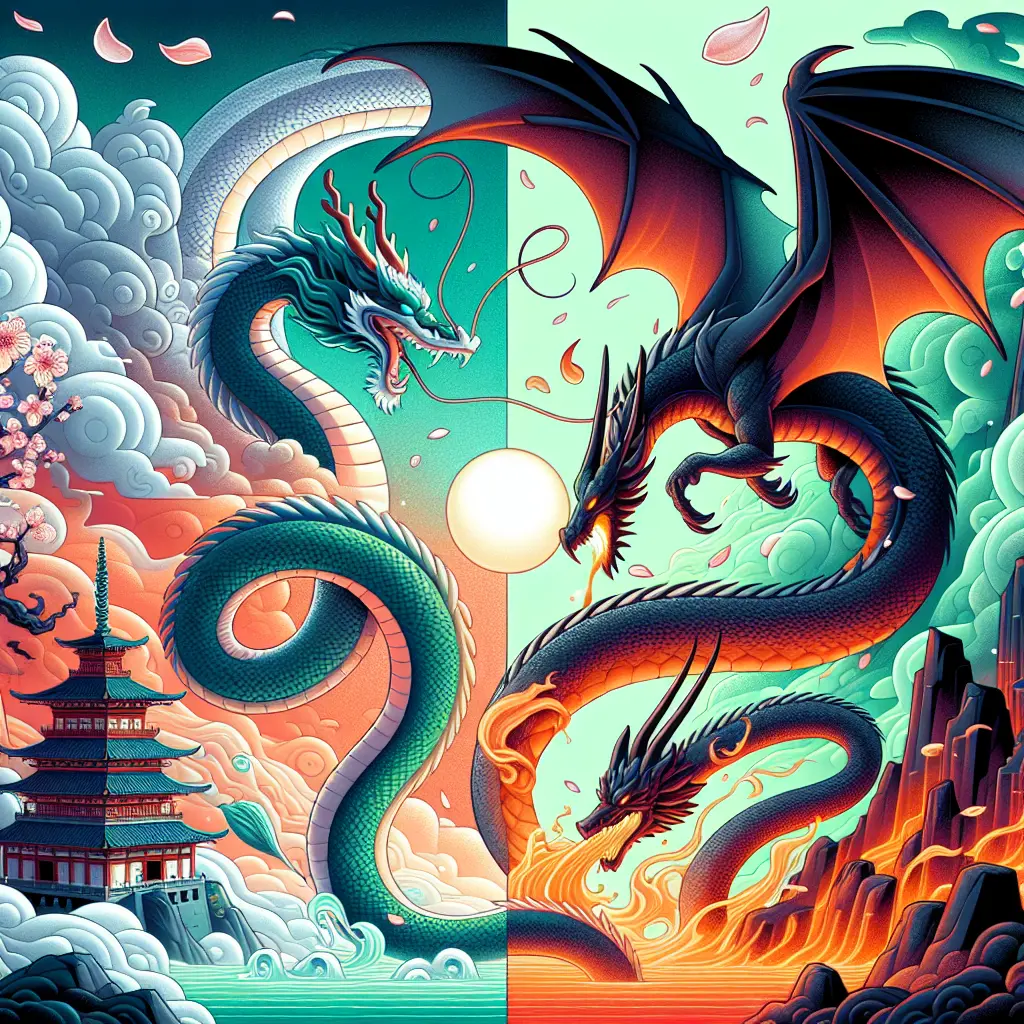
- Distinguish typical Eastern dragons (serpentine, wingless, water/wisdom symbolism) from Western dragons (stocky, wings, fire, treasure guardians).
- Understand how dragon magic differs: Eastern dragons as weather/sea spirits or shapeshifters vs Western dragons as elemental fire-breathers and treasure-hoarders.
- Compare their roles in fantasy narratives: Eastern dragons as benevolent guardians or cosmic beings vs Western dragons as dangerous adversaries and epic quest creatures.
- Use these contrasts to craft and analyze dragon lore that reflects authentic Eastern and Western traditions in fantasy worlds.
❓ Frequently Asked Questions
What are the key visual and symbolic differences between Eastern and Western dragons?
Western dragons are usually winged, fire-breathing, and depicted as powerful, often malevolent guardians of treasure. Eastern dragons tend to be serpentine and wingless, associated with water, rain, wisdom, and auspicious power, and are typically benevolent or protective.
How do dragons typically function in magic and world-building in East vs. West traditions?
Western dragons often symbolize raw elemental power, serve as formidable foes or treasure guardians, and their magic relates to fire, hoarding, or ancient lore. Eastern dragons embody wisdom and harmony with nature; their magic centers on weather control, rain, and blessings.
Where are Western and Eastern dragons commonly found, and what do they guard or protect?
Western dragons dwell in caves or mountains and guard gold and jewels. Eastern dragons inhabit rivers, seas, mountains, and temples, and are linked to water, crops, and ceremonial protection rather than treasure hoards.
How do cultural portrayals influence dragon design and storytelling in fantasy?
Western dragons lead to bold, armored designs with wings and fire-breathing, often driving heroic quests and battles. Eastern dragons inspire slender, serpentine motifs without wings, with colors and symbols tied to luck, imperial power, and wisdom.