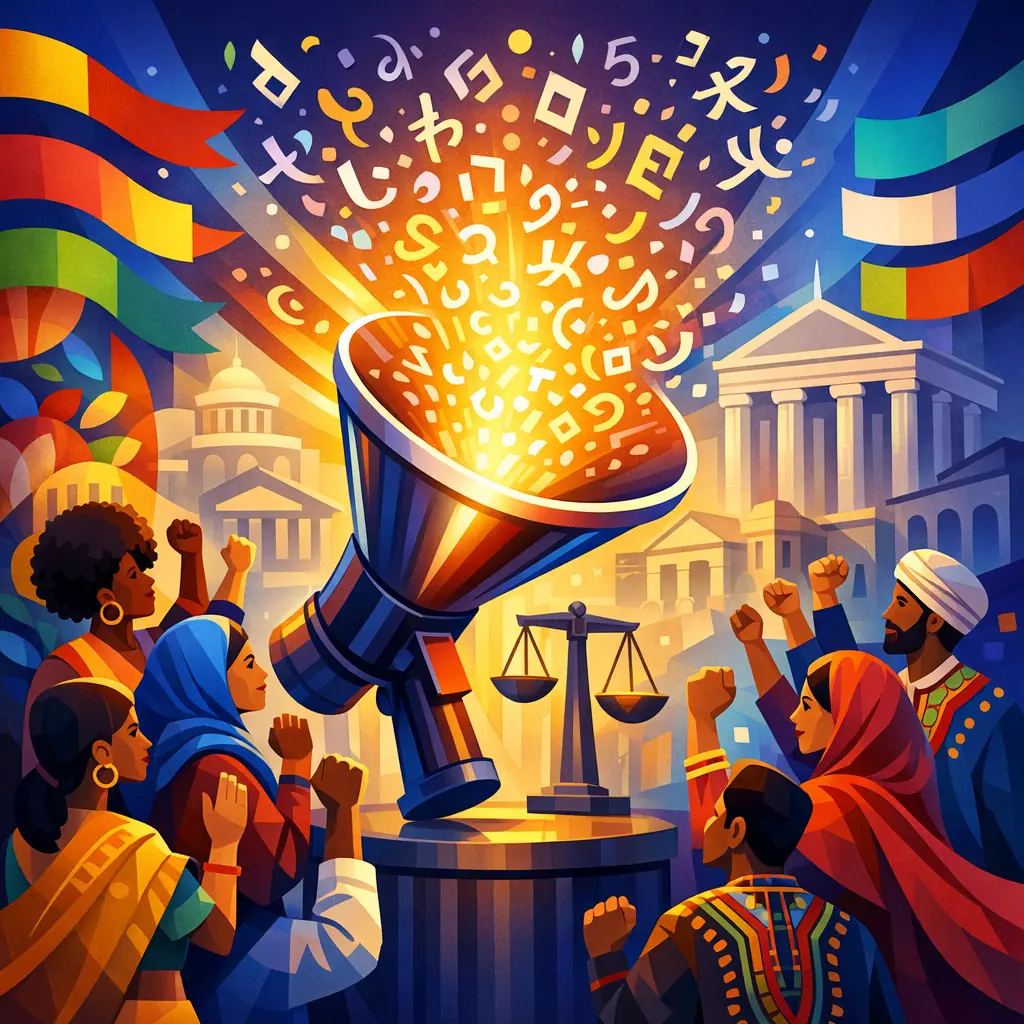
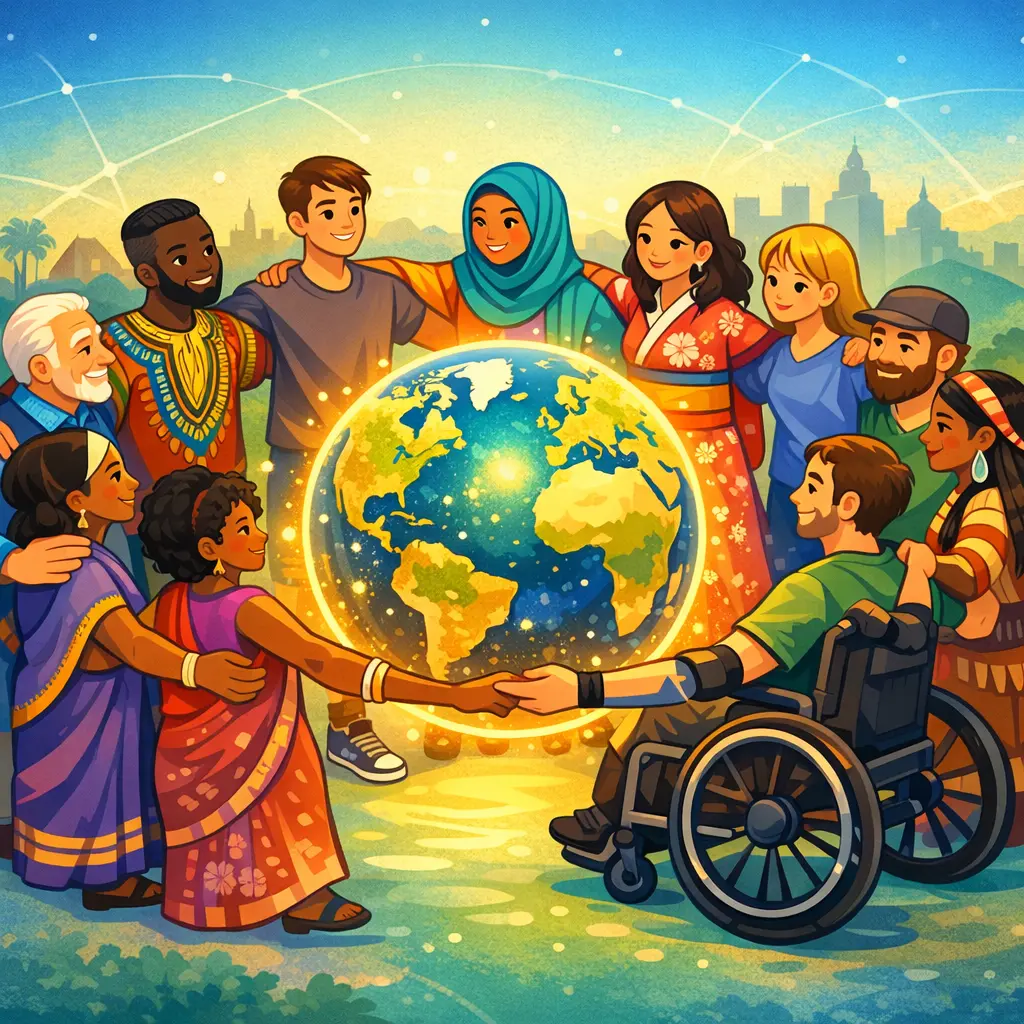
The phrase "Dress, Modesty & Body Politics (Culture, Religion & Society)" explores how clothing choices are influenced by cultural norms, religious beliefs, and societal expectations. It examines how ideas of modesty shape what is considered appropriate attire, and how these standards can reflect or challenge power dynamics, gender roles, and identity. The phrase highlights the intersection between personal expression, social control, and political debates surrounding the human body.
Dress, Modesty & Body Politics
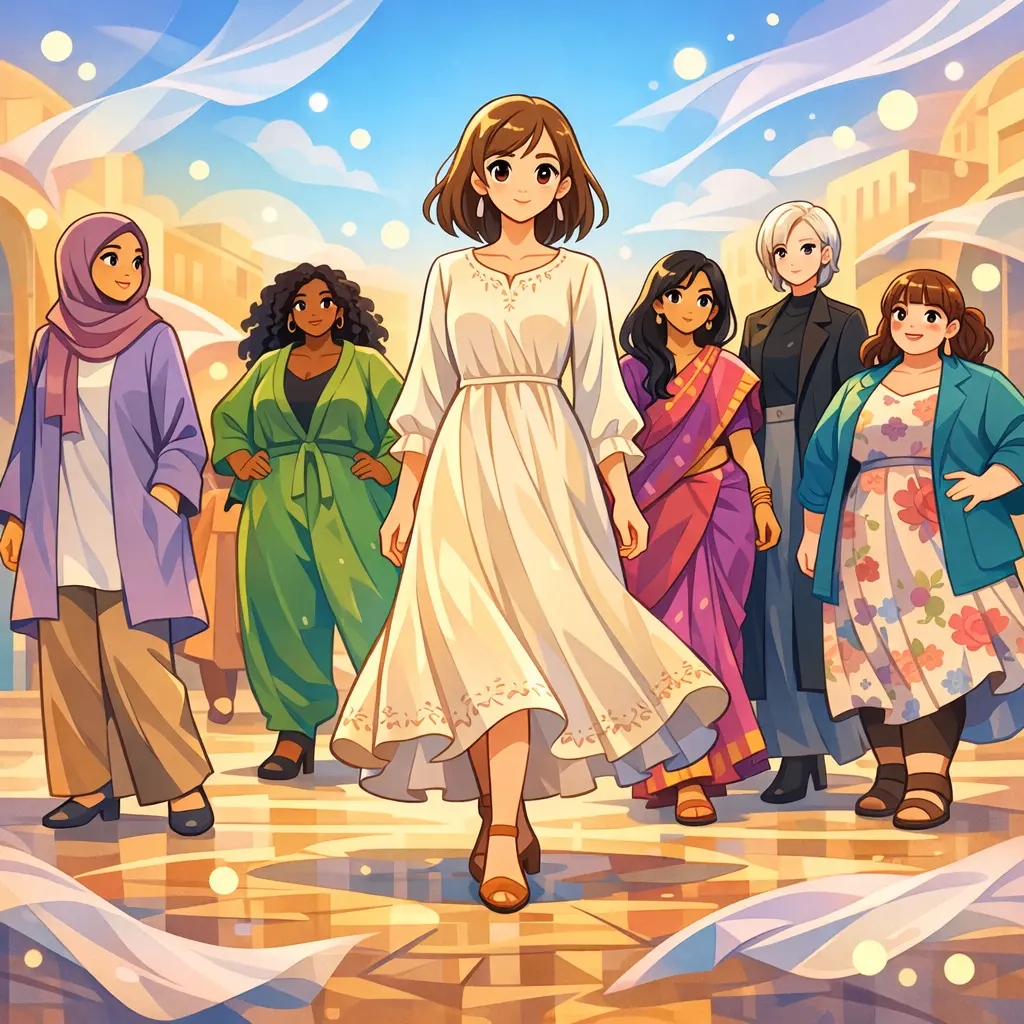
The phrase "Dress, Modesty & Body Politics (Culture, Religion & Society)" explores how clothing choices are influenced by cultural norms, religious beliefs, and societal expectations. It examines how ideas of modesty shape what is considered appropriate attire, and how these standards can reflect or challenge power dynamics, gender roles, and identity. The phrase highlights the intersection between personal expression, social control, and political debates surrounding the human body.
💡 Key Takeaways
- Understand how dress codes and modesty norms reflect cultural values and power dynamics.
- Explore how body politics shape personal autonomy and social judgments about appearance.
- Compare how different cultures and historical periods define modesty and dress.
- Analyze how institutions (schools, workplaces, media) regulate clothing and the implications for inclusion.
❓ Frequently Asked Questions
What does the phrase 'dress, modesty, and body politics' mean?
It describes how clothing choices reflect cultural norms about modesty and how bodies are valued, regulated, or policed in society; 'body politics' covers the social and political aspects of body visibility and control.
How do culture and religion shape modesty standards?
Modesty expectations arise from beliefs, traditions, and community norms and can vary widely by place, group, and era; what is considered modest in one context may differ in another.
How can clothing express identity or serve as protest?
People use fashion to signal belonging, challenge stereotypes, or assert autonomy—choosing styles that affirm who they are or push back against restrictive norms.
What should be considered when dress codes affect education or work?
Policies should respect diversity and autonomy while ensuring safety and inclusivity, avoiding discrimination against people of different genders, cultures, or religious backgrounds.